
Sánchez Denies Evidence of Moroccan Involvement in Ceuta Crisis
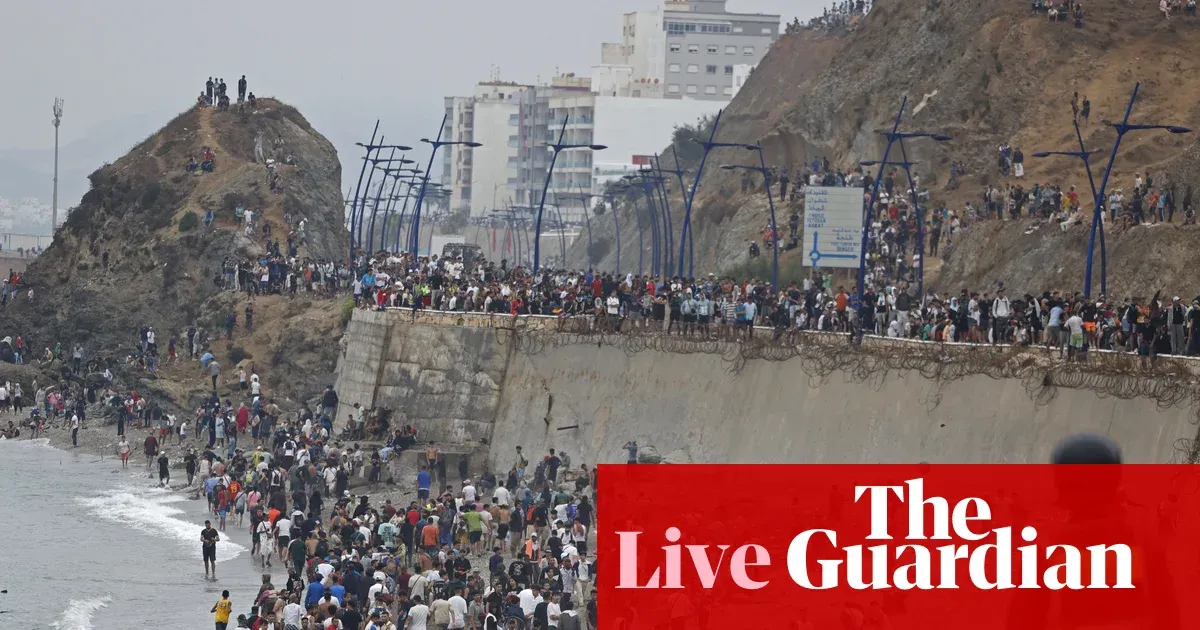
In a recent statement, Spanish Prime Minister Pedro Sánchez firmly asserted that there is no evidence to suggest that the Moroccan government orchestrated or planned the recent crisis in Ceuta, a Spanish enclave on the northern coast of Africa. Sánchez emphasized that the government has not received any substantiated claims indicating Moroccan authorities were involved in the events that unfolded. He pointed out that Morocco's response to the crisis can be categorized into specific phases, highlighting a significant ten-hour lapse in their border control during the peak of the situation. Despite this breakdown, Sánchez noted that collaboration between Spain and Morocco before and after the incident effectively mitigated the potential for thousands more unauthorized crossings.
Furthermore, Sánchez stated that it is essential to investigate the reasons behind the ten-hour lapse, questioning whether it stemmed from an inability to act or a deliberate failure to intervene. He reiterated that his administration lacks any conclusive evidence implicating Morocco in the planning or execution of the crisis and called for a thorough investigation grounded in factual data rather than speculation. His comments come amidst growing political pressure in Spain, where opposition leaders are demanding his resignation and calling for early elections as public anger over the government's handling of the situation escalates.
Political Fallout and Calls for Accountability
The political fallout from the Ceuta crisis has been significant, with leaders from opposition parties openly criticizing Sánchez's handling of the situation. Alberto Núñez Feijóo, the leader of the People’s Party, expressed disbelief over Sánchez's explanations, stating that the protests in Ceuta were a clear indication that citizens desire to regain control over their policies and destinies. He has called for Sánchez to resign, citing either incompetence or complicity in the ongoing crisis. The atmosphere has been further charged by accusations from the far-right Vox party, whose leader, Santiago Abascal, has labeled Sánchez’s actions as treasonous, intensifying the political discourse surrounding the crisis.
Sánchez, on the other hand, has defended his government's policies regarding migration, arguing that Spain must assist in African development to alleviate migratory pressures, asserting that cutting aid would ultimately exacerbate the situation. He has framed irregular migration as a structural issue, necessitating long-term solutions rather than temporary fixes. The Prime Minister also suggested that future efforts should focus on fully integrating Ceuta and Melilla into the European Union's customs union, emphasizing the need to recognize these enclaves as integral parts of Europe rather than mere border problems.
Sánchez concluded by pledging to restore normalcy in Ceuta and reaffirming his commitment to addressing the challenges faced by its residents with honesty and transparency. He believes that by implementing a comprehensive and humane approach to migration, Spain can navigate the complexities of the situation while maintaining its integrity and security.
As reported by theguardian.com.