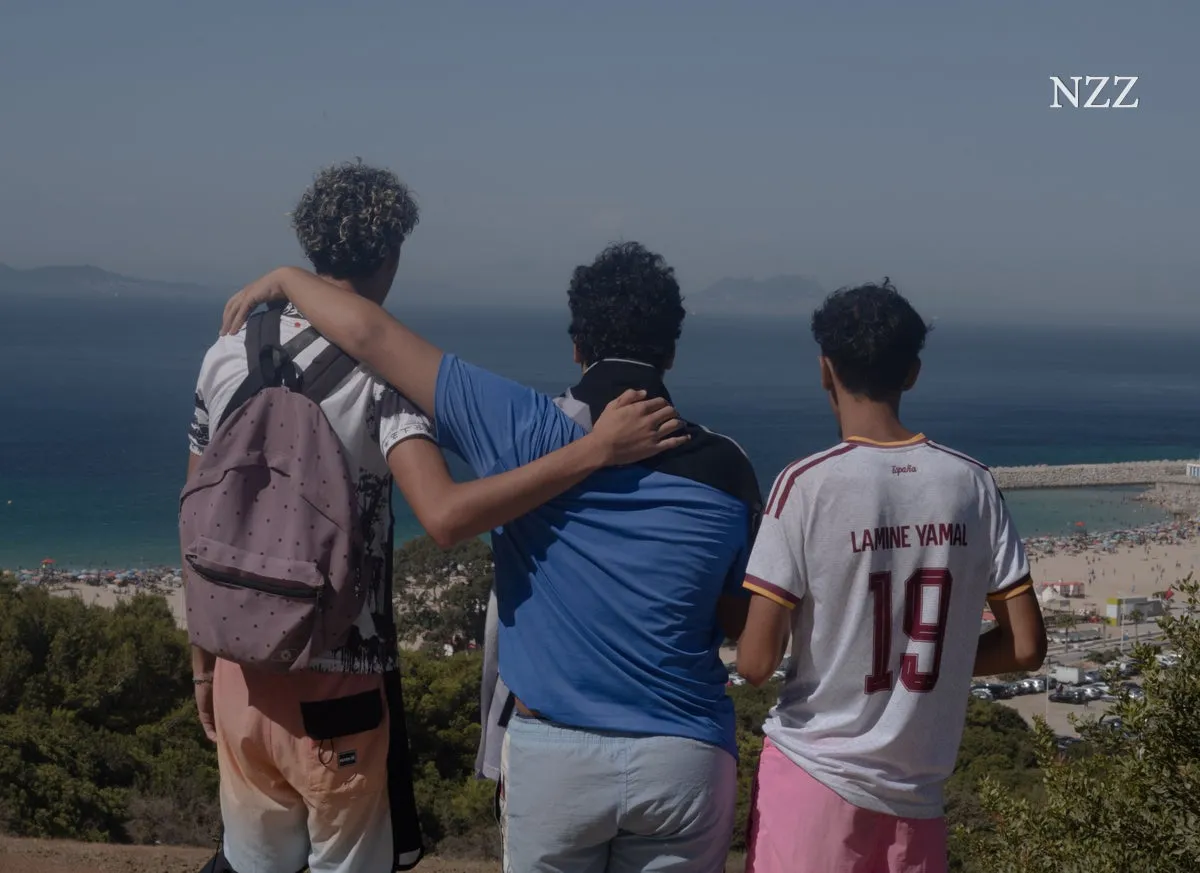

Government Faces Backlash Over Migration Crisis in Ceuta
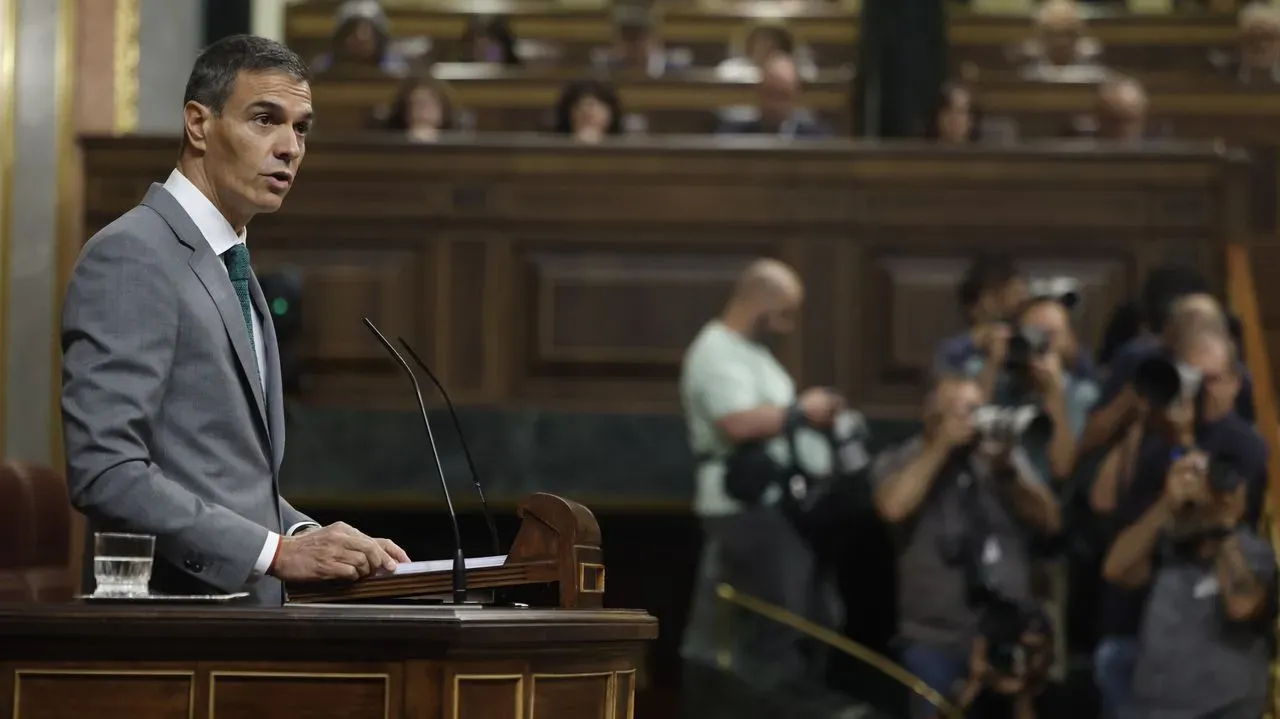
On September 3, 2026, Spanish Prime Minister Pedro Sánchez addressed the Congress, reaffirming that the government has no evidence indicating that the recent massive influx of migrants into Ceuta was orchestrated or executed by Moroccan authorities. He did, however, acknowledge that during the peak crisis on July 30, there were ten hours when Moroccan gendarmes allowed migrants to cross the border. Sánchez emphasized the importance of continued cooperation with Morocco, stating that he desires a good neighborly relationship but recognizes that the nature of this collaboration must now change following the events that unfolded.
Despite Sánchez's calls for caution and diplomacy, political leaders from across the spectrum have criticized his administration's handling of the crisis. Alberto Núñez Feijoo, leader of the opposition and the Popular Party (PP), directly questioned Sánchez's hesitation regarding Morocco, asking, "Why are you afraid of Morocco? What does Morocco know about you?" This pointed inquiry reflects a growing sentiment among opponents of the government who are demanding accountability and a firmer stance in foreign relations.
Sánchez also announced plans for the Spanish king to visit Ceuta and Melilla in the coming weeks, a significant move given the previous monarch's visit in 2007, which had strained relations with Morocco. The Prime Minister highlighted that since the onset of the crisis, Spanish citizens have faced ongoing insecurity and a lack of governmental response, leading to public outrage over territorial integrity violations. He argued that the government was caught off guard by the scale of the migration, with over 70,000 individuals arriving, and called for an investigation into why the National Immigration and Borders Center (CENIF) failed to issue an alert prior to the influx.
Political Accountability and Future Relations with Morocco
During the congressional session, Feijoo delivered a scathing critique of Sánchez’s leadership, asserting that the Prime Minister would be held accountable in court and at the polls for his handling of the crisis. He labeled the situation in Ceuta as an ongoing invasion, attributing its origin directly to Moroccan consent and governmental negligence. Feijoo demanded Sánchez's resignation, urging him to dissolve the Cortes and call for early elections. He emphasized the need for a strong, decisive leadership in times of national crisis, accusing Sánchez of being ineffective and unable to ensure the nation’s security.
As the political discourse continues, the government faces increasing pressure to clarify its stance and actions regarding Morocco and the migrant crisis. Several opposition leaders, including representatives from EH Bildu, have called for transparency regarding police documents that implicate Moroccan forces in the crisis. They challenge the government’s characterization of Morocco as a reliable partner, demanding accountability for the apparent lapses in security and intelligence that contributed to the chaos.
In light of the ongoing tensions and the humanitarian implications of the crisis, Sánchez's administration must navigate these complex diplomatic waters carefully, balancing national security concerns with the need for humanitarian support and international cooperation. The future of Spain's relationship with Morocco hangs in the balance as both domestic and international stakeholders watch closely.
As reported by lavozdegalicia.es.