Sánchez's Strong Stance on Ceuta and Melilla
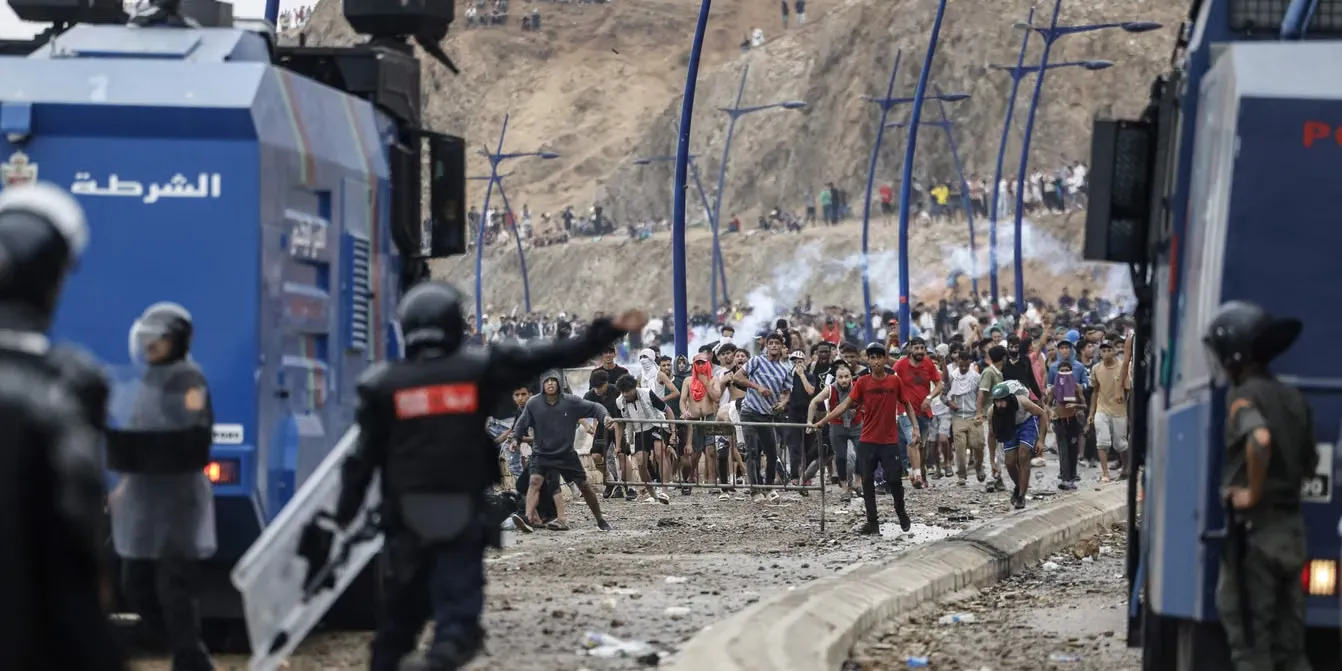
In a recent session before the Spanish parliament, Prime Minister Pedro Sánchez firmly reiterated Spain's sovereignty over the territories of Ceuta and Melilla, amidst escalating tensions with Morocco following a significant influx of migrants into these enclaves. The prime minister addressed concerns raised in Spain regarding Morocco's potential involvement in facilitating this migration surge that occurred at the end of July, during which thousands of individuals crossed into Ceuta. Sánchez emphasized that, despite speculation and leaked police reports suggesting a lax response from Moroccan authorities, there is no substantial evidence to indicate that Morocco orchestrated this crisis.
The situation has sparked heated debates across Spain, with various political factions questioning the government's handling of the migrant crisis and its implications for national security. The opposition, particularly the right-wing and far-right parties, has been vocal in their belief that Morocco played a role in the unprecedented arrival of migrants, a situation that has reportedly resulted in numerous fatalities and disappearances. Sánchez, however, has remained steadfast in his defense of Morocco, denying any claims of orchestration while simultaneously condemning recent comments from Moroccan officials who have laid claim to Ceuta and Melilla as Moroccan territories.
Historical Context and Diplomatic Tensions
The historical claims over Ceuta and Melilla add complexity to the current diplomatic tensions. Moroccan Justice Minister Abdellatif Ouahbi has recently underscored Morocco's historical and geographical claims to these territories, igniting further disputes. In response, Sánchez categorically rejected these claims, asserting that "for centuries, these cities have been Spanish, and they will continue to be so for all time." He also announced plans for King Felipe VI of Spain to visit Ceuta and Melilla in the coming weeks, reinforcing the government's commitment to these territories.
Despite the majority of migrants having returned shortly after their arrival, estimates suggest that around 5,000 to 10,000 individuals remain in Ceuta, which has a population of just over 80,000. Analysts speculate that the migration crisis could symbolize a strategic message from Morocco to Spain, particularly following Sánchez's diplomatic engagement with Algeria, further complicating the already sensitive relationship between Spain and Morocco. As the situation develops, the Spanish government faces the dual challenge of managing internal pressures while navigating the intricacies of its foreign relations.
As reported by 20min.ch.