
Understanding the Sardine Supply Crisis
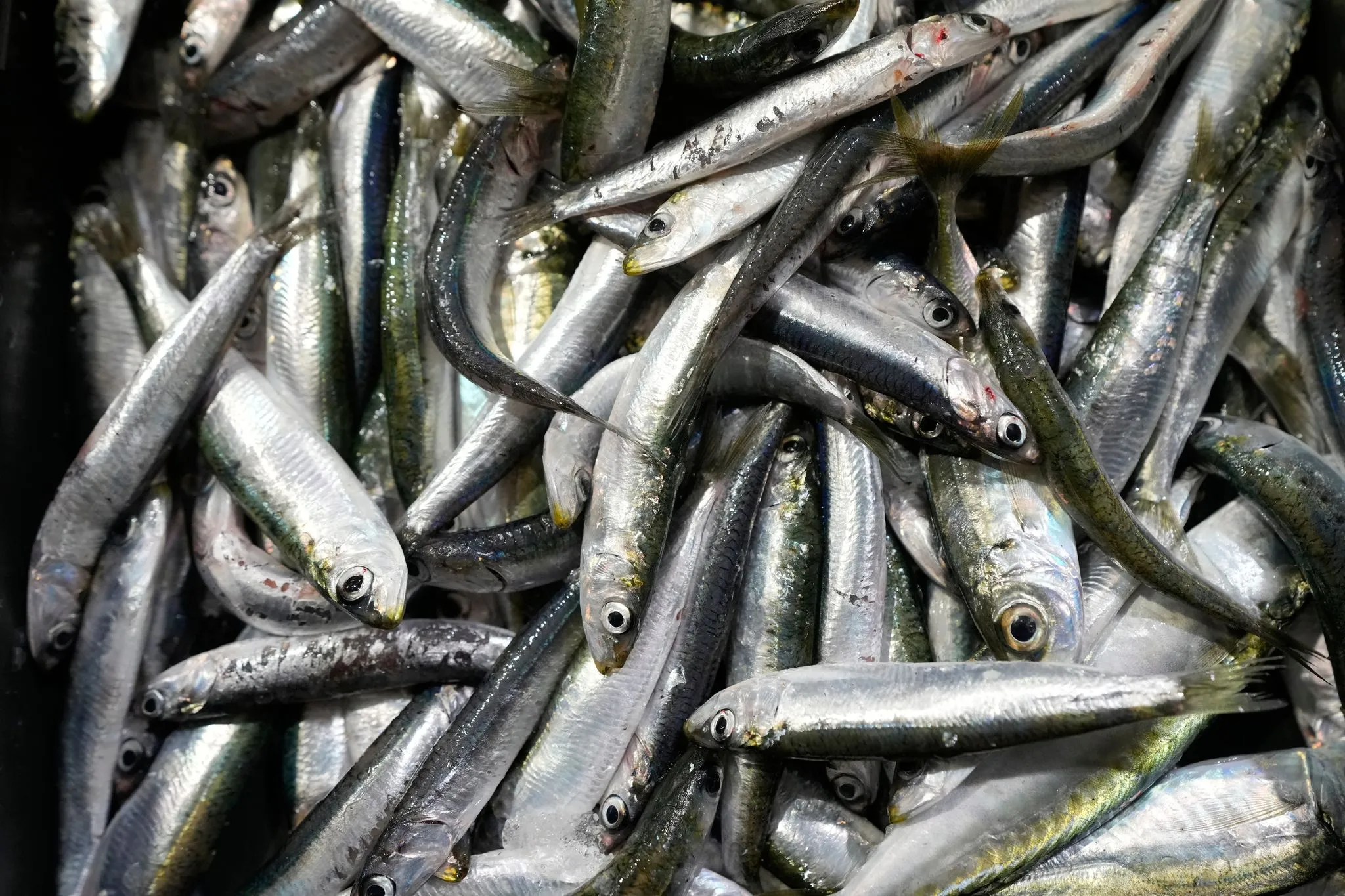
The recent scarcity of sardines in supermarkets and discount stores has left many consumers frustrated and concerned about their seafood options. A survey conducted by the German Press Agency revealed that the availability of sardines is dwindling across various retail outlets, leaving some shoppers empty-handed. Discount retailer Aldi Nord has acknowledged that certain sardine products may be temporarily unavailable due to challenging conditions in the fishing sector. This situation has been echoed by other supermarket chains, including Rewe, which described the current raw material situation as tense on a European level, impacting both private label and branded products.
Lidl has also reported that the rising demand for sardines has led to occasional stock shortages, and they are collaborating with suppliers to restore product availability as quickly as possible. Kaufland has similarly admitted to experiencing isolated supply issues, and the grocery delivery service Picnic has indicated that they too are affected by this sardine shortage. The gravity of this situation was previously highlighted by the publication, "Die Welt."
Reasons Behind the Sardine Shortage
According to Stefan Meyer, Managing Director of the Fish Information Centre in Hamburg, the primary cause of this sardine shortage stems from declining fish stocks in the most significant sardine fishery for the European market, located off the coasts of Morocco and Western Sahara. Official reports from the Moroccan fishing authority indicate that landings totaled 965,000 tons in 2022, but this figure is expected to plummet to just 525,000 tons by 2024. The expert notes that the situation has not improved in the past year, attributing the decline to climate change effects, altered marine conditions, and excessive fishing pressure. In response, the Moroccan government has implemented stricter management measures, and since February 2026, exports of frozen sardines have been heavily restricted or suspended to ensure adequate supply for the domestic market.
This scenario is particularly concerning for European processors, as Morocco has been the largest supplier of sardines up to this point. Meyer predicts that a short-term recovery of fish stocks off Northwest Africa is unlikely. Furthermore, while the "true sardine" (Sardina pilchardus) is also found in the Northeast Atlantic near Spain and Portugal, the recovery of those stocks has not been sufficient to fill the gap in raw material availability. Consequently, consumers should not expect a quick resolution to the sardine market crisis.
Given the current circumstances, Meyer suggests that prices for sardines may rise. With limited alternatives available, manufacturers are increasingly turning to similar fish species, such as sardinelike varieties that predominantly inhabit the Indian Ocean, the western Pacific, and tropical Atlantic waters.
As reported by bietigheimerzeitung.de.