
Moroccan cuisine stands as a vibrant tapestry woven from a multitude of cultural influences, including those from the Amazigh, Andalusian, Mediterranean, and African peoples. This culinary journey captivates the senses with its striking contrasts and harmonious blends. Writer Rashmi Vasudeva explores an array of Moroccan dishes, delighting in the unexpected pairings such as savory meats accompanied by prunes, the sweet and savory pastilla, and the refreshing experience of mint tea. Each dish tells a story, revealing the intricate history of a nation that thrives on diversity.
As I delved into the world of Moroccan cuisine, I was struck by the fact that the often-quoted description of Morocco as a land of contrasts holds true, especially in its food. The flavors are bold and complex; for instance, a slow-cooked beef stew can present a delightful combination of fruity and spicy notes, while desserts are often embellished with fragrant orange blossoms. The interplay of flavors like figs, almonds, and lemon zest within savory dishes exemplifies a culinary tradition that has absorbed the essence of various cultures. This remarkable fusion is a testament to the many peoples who have left their imprint on Morocco, creating a culinary landscape that is as diverse as its history.
The Iconic Tagine Experience
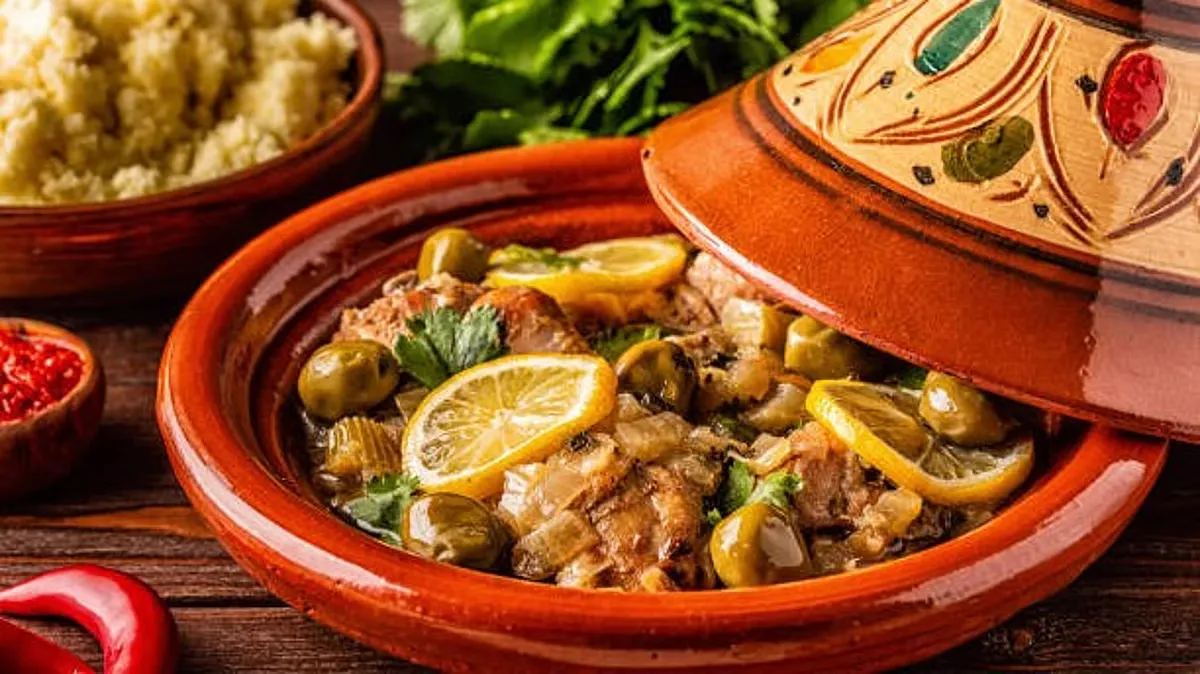
For many visitors to Morocco, the tagine is the quintessential dish that exemplifies the country's culinary heritage. This iconic conical pot serves not only as a cooking vessel but also as a beautiful serving dish. The unique design of the tagine lid allows steam to circulate, resulting in succulent, tender meat that is infused with spices and sauces. The combinations are truly inventive; chicken might be paired with olives and figs, while lamb could be served alongside prunes and apricots. Each dish is an exploration of the delicate balance between sweetness and spice, reflecting the rich history of Moroccan cuisine.
Couscous, another staple of Moroccan dining, is omnipresent in the country. Initially, I had a rather limited perception of couscous, having only encountered dry, uninspired servings in some upscale restaurants. However, in Morocco, it is revered and cherished, a national dish that brings people together. The fluffy semolina is often topped with a delightful array of vegetables, meats, and dried fruits, showcasing the abundance of local ingredients and the affection Moroccans have for this beloved dish.
Sweet and Savory Delights
During my visit to Fez, I had the pleasure of tasting one of the most surprising sweet-savory 'desserts': the pastilla. This dish resembles a pastry and boasts a filling of shredded chicken or shrimp, sometimes even fish or game like rabbit or pigeon. The layers of crisp pastry are artfully topped with almond shavings and dusted with powdered sugar, creating a delightful juxtaposition of flavors and textures. The pastilla is a reflection of Fez's rich history as a crossroads of various cultures, where culinary techniques and tastes intermingled to create this unique dish.
As one ventures away from the bustling cities toward the Sahara, the cuisine becomes more rustic and grounded. The influence of the Amazigh becomes more pronounced, with dishes that prioritize lightness and energy. Ingredients such as dates, almonds, olives, and flatbreads take center stage, exemplified by the Medfouna—a stuffed flatbread filled with minced meat, herbs, and spices. In the arid desert, meals become an experience of sustenance and reverence, with food serving as both nourishment and a form of connection to the land.
Moroccan mint tea, often humorously referred to as 'whisky,' plays a pivotal role in the local culture. Moroccans believe that the height from which the tea is poured signifies the level of affection one will receive. This simple concoction of tea, sugar, and mint transcends its ingredients to symbolize the warmth of Moroccan hospitality. The act of pouring tea transforms into a delightful performance, inviting guests to linger, converse, and enjoy the moment.
As reported by deccanherald.com.