
Escalating Rental Prices in Northern Morocco
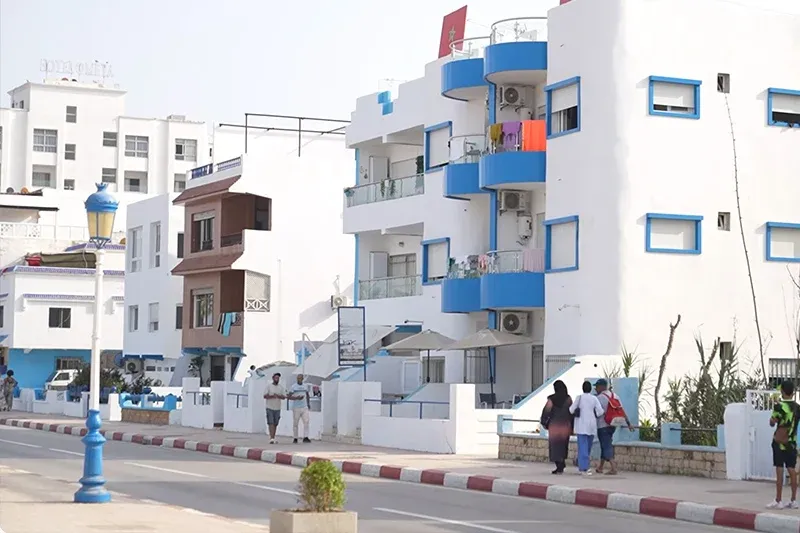
With the peak of the summer vacation season upon us, the city of Martil and its neighboring beaches in the Al Hoceima region are experiencing a significant surge in rental prices for furnished apartments. This alarming trend has generated discontent among many vacationers and poses increasing challenges for Moroccan families striving to secure affordable accommodations that align with their financial capabilities. Reports indicate that the spike in prices is largely driven by the heightened demand during the month of August, when tourists flock to the area.
A recent on-site investigation revealed a remarkable increase in rental rates in Martil, particularly for apartments that boast sea views or proximity to the promenade. During the winter months, prices typically ranged from 250 to 300 Moroccan dirhams per night; however, during the summer peak, these rates can soar to around 1000 dirhams, especially in the Cabo Negro area. Meanwhile, the cost of apartments located in the back streets has also risen, now fluctuating between 400 and 600 dirhams per night, depending on their location and amenities.
The hike in prices extends beyond just accommodation, impacting various services associated with the tourist season. For instance, the cost of certain fast food items, as well as cups of tea and coffee, has seen an increase of nearly four dirhams per drink compared to the winter period. This inflation further exacerbates the holiday expenses for families visiting the region, which is meant to be a time for relaxation and enjoyment.
The Impact on Families and the Local Economy
In the nearby city of Mdiq, rental prices have also been climbing, with apartments close to the main street costing around 400 dirhams per night, while those further into the interior streets are priced between 250 and 300 dirhams. Tourist residences featuring pools range from 700 to 800 dirhams, with some luxury accommodations exceeding 1000 dirhams per night. According to a real estate agent in Martil, demand peaks in August, prompting many landlords to adjust their prices significantly to capitalize on the influx of tourists visiting the Tamuda Bay coastal strip.
The agent noted that most property owners prefer renting to families, as they are generally more responsible in maintaining the property and adhering to the rental terms. This preference creates a significant hurdle for single young individuals seeking housing, even if they are willing to pay the elevated prices. Many real estate agents report receiving daily inquiries from young vacationers hoping to secure rentals, only to face rejection from numerous landlords, a recurring issue during the summer season in Martil and Mdiq.
A visitor from Fez expressed concerns about the disparity between rental prices and the quality of furnished apartments. Many of these properties suffer from deteriorating furniture, peeling paint, and inadequate cleanliness, despite the exorbitant rates imposed by their owners during the peak season. Some landlords even demand over 1000 dirhams per night for apartments that do not meet such standards, forcing families to accept these conditions due to the limited options available during the high season, especially for those desiring accommodation near the beach.
Several real estate agents interviewed by Hespress believe that the price increases for accommodation and services have, in some cases, surpassed the basic principles of supply and demand. They describe these practices as "seasonal exploitation" and warn of the negative repercussions on the appeal of domestic tourism. They assert that continued price hikes are driving many Moroccan families to seek alternative destinations that are more affordable, advocating for a balance between the economic viability of the season and maintaining the purchasing power of vacationers. This balance is essential to ensure the sustainability of tourism activities and to enhance the image of coastal destinations in northern Morocco among visitors.
As reported by hespress.com.