Strengthening Ties or Unveiling Scandals?
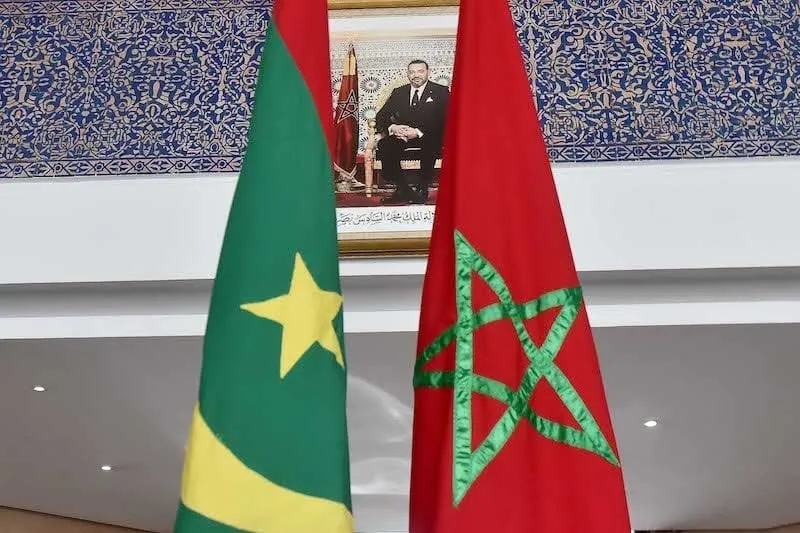
The recent visit of French Prime Minister Sébastien Lecornu to Morocco, accompanied by a delegation of ten ministers, was intended to symbolize a renewed chapter in the diplomatic relations between Paris and Rabat. Scheduled for July 15 and 16, 2026, this high-profile visit was framed as a continuation of President Emmanuel Macron's state visit to the kingdom in 2024, during which he acknowledged Morocco's proposal for autonomy over Western Sahara as the sole viable solution to the long-standing conflict, a move that had previously caused a significant diplomatic rift between France and Algeria. However, this diplomatic overture has been overshadowed by unsettling revelations regarding the Pegasus spyware scandal, which has reignited concerns about political repression and human rights violations within Morocco.
The Pegasus scandal, which has implicated numerous governments in the misuse of surveillance technology against activists and political opponents, has recently come to the forefront once again. The timing of these revelations, coinciding with Lecornu's visit, has led to heightened scrutiny of the French government's ties with Morocco, particularly as reports emerged of several opposition figures being arrested under dubious circumstances. This backdrop of political tension complicates the narrative of reconciliation that the French government sought to project during the visit.
Moroccan Prime Minister Aziz Akhannouch welcomed Lecornu at the Rabat-Salé airport, yet the discussions were inevitably colored by the Pegasus controversy, which has raised ethical questions about the collaboration between France and Morocco in matters of security and surveillance. Notably, one of the phones belonging to President Macron was reportedly targeted by the Pegasus spyware, further complicating the implications of this visit and highlighting the intricate interplay of international relations, technology, and human rights.
As reported by instagram.com.