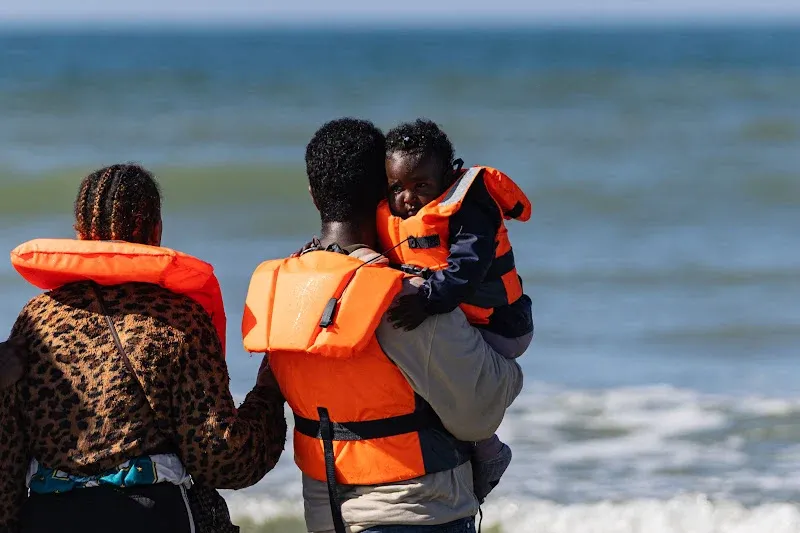

Understanding the Migration Crisis in the Sahel Region
A recent research paper published in the Libyan University of Sebha journal underscores that the Sahel region is currently one of the most unstable areas, not only in Africa but globally, despite its rich cultural heritage and significant economic opportunities. The paper highlights that the combined effects of security and climate challenges are increasingly driving migration towards northern Africa, particularly to Morocco. Authored by researcher Youssef Daei, the paper titled "Armed Conflicts and Climate Change in the African Sahel Region and Its Implications on Migration Issues" notes that these pressing challenges have had substantial effects on North African countries, particularly regarding the influx of irregular migrants into Morocco. According to various official reports, the estimated number of foreign migrants residing in Morocco ranges between 80,000 and 100,000, most of whom are from sub-Saharan African nations.
Morocco's Role as a Migration Hub
Morocco has emerged as a critical destination for irregular migrants seeking to cross into Europe via the Mediterranean Sea, escaping dire social and economic conditions in their home countries. Its strategic position along the Mediterranean coast offers migrants a viable route to reach European shores, making the kingdom a focal point for human trafficking networks. The research further indicates that migration has been a significant concern on the agenda of successive Moroccan governments for over a decade, given its political, social, and economic ramifications on the country. In recent years, Morocco has transitioned from being merely a transit point for irregular migrants from the Sahel region and sub-Saharan countries to a nation of stability, with the number of migrants arriving from southern nations quadrupling.
Morocco's geographical location and its African identity have intensified its exposure to the security and developmental challenges faced by the region, resulting in Morocco becoming a key player in human mobility dynamics. Consequently, the Moroccan government has adopted various measures and strategies aimed at regulating and managing these migration phenomena. The public policy initiated by Morocco in the realm of migration has provided irregular migrants with legal protection, transforming the kingdom into a land of refuge and permanent stability for individuals fleeing terrorism, drought, and climate change. However, ensuring that these migrants successfully integrate into society poses numerous challenges, particularly social ones, as their presence is often linked to prevalent societal narratives regarding competition for resources and opportunities among citizens.
The report emphasizes the need for international community intervention to mitigate forced migrations caused by adverse environmental conditions and to enhance the return of communities at risk. It notes recommendations from the Global Migration Team, which called for the implementation of measures that consider gender, human rights, and human development to improve livelihoods for those affected by climate change and to increase their resilience against forced movements. The team also urged assistance for least developed countries in responding to climate change by incorporating migration and mobility into national adaptation plans and integrating the relationship between climate change and migration into national poverty reduction and development strategies.
The research paper concludes by advocating for the consideration of international commitments concerning migrant rights in the formulation of migration policies, encouraging openness to civil society organizations working in the migration field, and promoting respect for foreigners among young people while combating hate speech and racism in schools. Moreover, it recommends the establishment of territorial public policies starting from local units to find more effective solutions to the migration issue.
As reported by hespress.com.