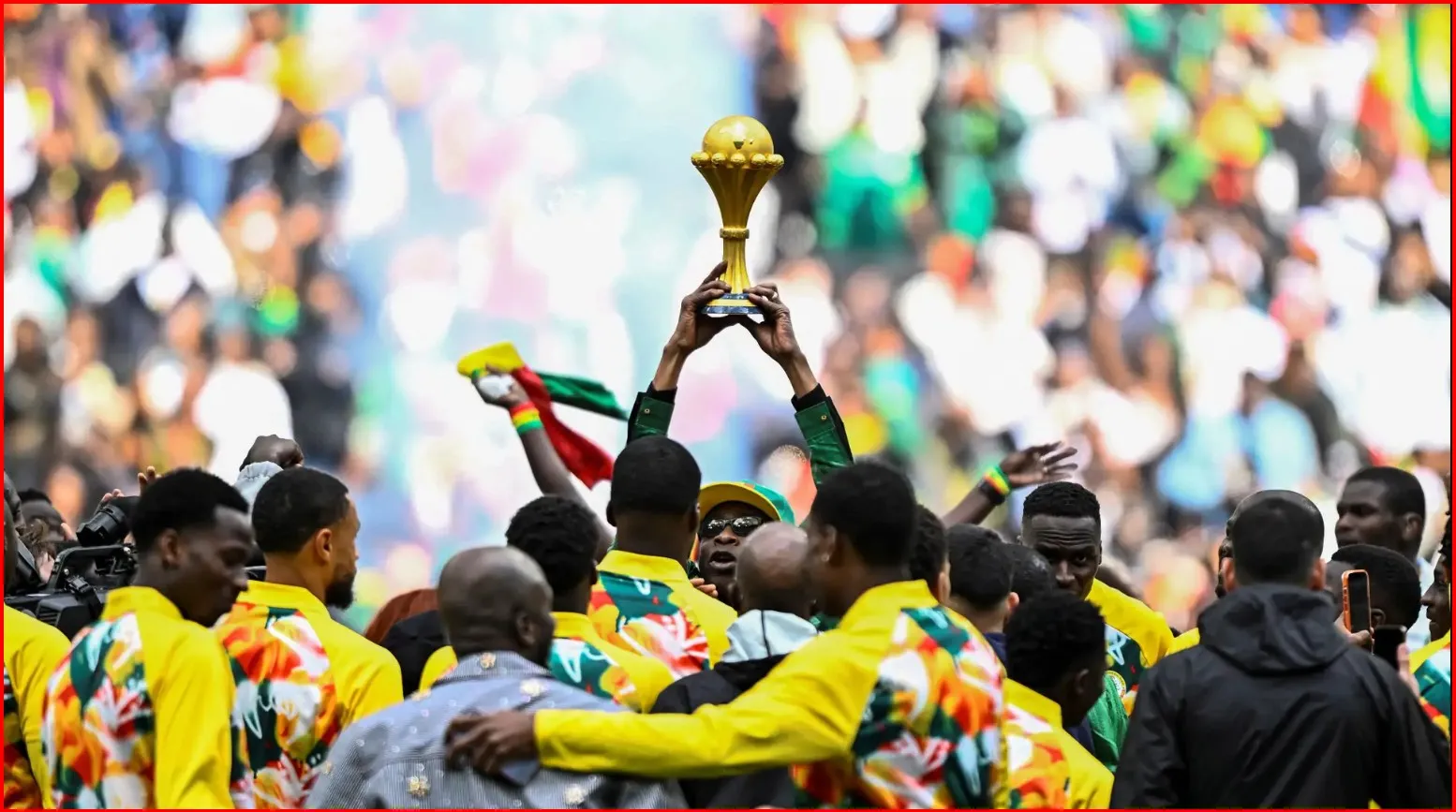

Senegal's Legal Battle with Morocco: A Sporting Dispute Escalates
The Senegal national football team has embarked on a significant legal confrontation with the Morocco national football team, marking a troubling escalation in the ongoing conflict that has surfaced in relation to the upcoming 2025 Africa Cup of Nations. This dispute has transcended the realm of sports, delving deeply into the domains of legal adjudication and diplomatic relations. Reports from Foot Mercato indicate that the Senegalese Football Federation is gearing up to appeal to the Court of Arbitration for Sport. This appeal comes on the heels of an alarming situation involving the arrest of Senegalese fans following the final match, which has only served to heighten tensions between the two national federations.
The Crisis Impacting African Football
The landscape of African football has been significantly shaken over the past few weeks, as the crisis intensified on March 17. This turmoil erupted following a contentious ruling by sports authorities, which stripped Senegal of its title and awarded it to Morocco. The basis for this decision was the claim that Senegal temporarily vacated the field during the final match of the tournament. In response, the Senegalese federation has vehemently denounced this ruling as "unfair and unreasonable," asserting its position as the rightful champions of Africa and calling for a conclusive resolution before the 2026 FIFA World Cup. Conversely, the Moroccan Football Federation has expressed its commitment to adhering to all regulations set forth by the Confederation of African Football (CAF) and has indicated a willingness to cooperate with international governing bodies.
In an effort to mediate the situation, CAF President Patrice Motsepe has ramped up diplomatic initiatives aimed at de-escalating tensions. His recent engagements include discussions with the President of Senegal in Dakar, alongside a visit to Rabat. Motsepe has articulated that the primary goal of the federation is to safeguard the integrity of African football, cautioning against potential revisions to tournament regulations in light of the final's controversy. He underscored the necessity of sanctions acting as deterrents while ensuring that the governing rules provide transparency and fairness. Furthermore, Motsepe has refuted allegations of corruption aimed at the Senegalese federation, emphasizing the importance of maintaining the credibility of CAF's 54 member federations.
In a parallel development, the legal proceedings regarding the 18 Senegalese fans arrested after the final are progressing in Rabat. These individuals had previously been sentenced to prison terms ranging from three months to one year for their involvement in riots and violence during the sporting event. The Rabat Court of Appeal is set to review their cases this week, a process that is attracting considerable media and diplomatic scrutiny, with the outcome poised to serve as a litmus test for the bilateral relations between Senegal and Morocco. Human rights organizations are keeping a close watch on this situation, with the National Council for Human Rights in Morocco asserting its commitment to ensuring transparency and safeguarding the rights of those detained.
The Moroccan Football Federation is not directly involved in the legal proceedings, which are strictly governed by the Moroccan judiciary. As stakeholders in African football await the forthcoming decisions, a pivotal question looms: Will CAF's intervention prove effective in alleviating tensions, or will the crisis surrounding the 2025 Africa Cup of Nations persist as one of modern football's most significant controversies? As reported by gazetaexpress.com.