
Awaited Verdict in the Senegal vs Morocco Controversy
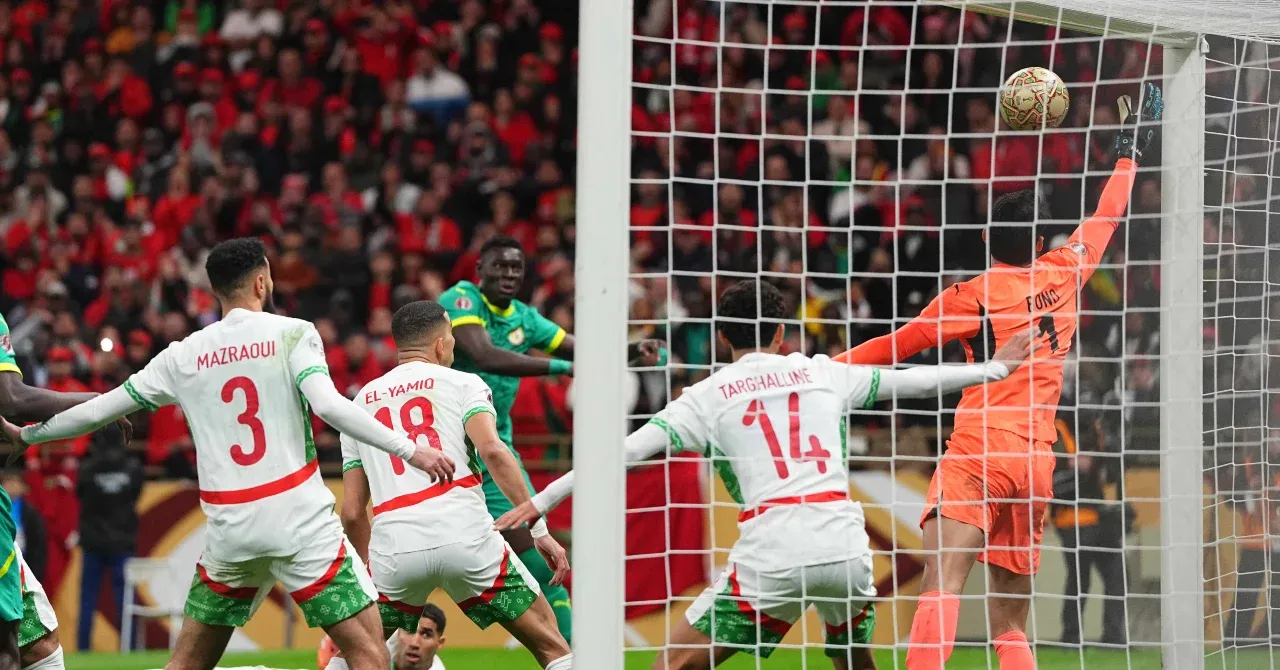
The entire African football community is on edge as the final verdict regarding the controversial Senegal vs Morocco match approaches. The scandal surrounding this incident has captured global attention and continues to fuel heated debates. Recently, the Confederation of African Football (CAF) made a highly contentious decision to strip Senegal of their Africa Cup of Nations title in favor of Morocco, a move that has ignited a storm of criticism and plunged continental football into an unprecedented crisis. In response to this 'unjust, unprecedented, and unacceptable' ruling, the Senegalese Football Federation has appropriately chosen to escalate the matter to the highest sporting authority, the Court of Arbitration for Sport (TAS). A pressing question remains: when will the final word on this saga be revealed?
Timeline for the Court's Decision
While it is still too early to pinpoint an exact date for the TAS's decision, the usual timelines associated with the court's processes provide some clarity. The Senegalese appeal, which is expected to be lodged in the coming days, will first undergo urgent examination regarding provisional measures. Senegal has requested that Morocco's title be suspended pending a final decision on the matter. A preliminary response on this issue could be anticipated within a few weeks, possibly before the summer.
However, for the ultimate verdict that will determine who the legitimate African champion of 2025 will be, patience is essential. Such disciplinary appeal procedures typically have timelines ranging from six to nine months. Legal experts are therefore predicting a final decision could emerge in the autumn of 2026, or potentially by the end of that year. This prolonged waiting period will undoubtedly lead to further speculation and continue to escalate tensions between the two nations.
Meanwhile, reactions to the CAF’s decision keep pouring in. Notably, Habib Beye, the coach of Olympique de Marseille and a former Senegalese international, has deemed the CAF's ruling as 'inappropriate and incomprehensible.' He stressed that Senegal earned their title 'on the field,' expressing hope that the TAS would uphold the decision made through sporting merit. This sentiment is widely shared among observers who believe that the integrity of sporting results should prevail.
With Senegal presenting robust legal arguments, including the disproportionality of the sanction and the fact that the match referee had allowed the game to resume, there are legitimate grounds for optimism. Historically, the TAS has frequently overturned CAF decisions deemed excessive. Thus, the saga is far from over, and African football will have to endure this blemish, regardless of the outcome of the proceedings.
As reported by football365.fr.