
Significant Legal Advancement for the Visually Impaired in Senegal
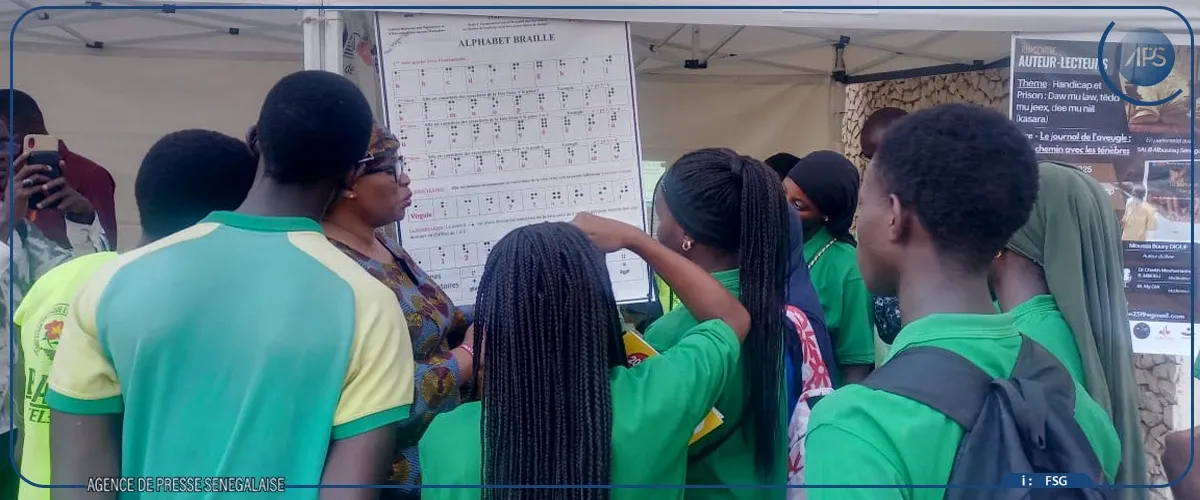
On July 1, 2026, the Senegalese government took a monumental step towards inclusivity by adopting a law that permits the President of the Republic to ratify the Marrakech Treaty of 2013. This treaty aims to facilitate the reproduction of published works in braille, ensuring that visually impaired individuals have better access to literary and educational resources. Aliou Faye, the director of the National Institute for Education and Training of the Blind Youth (INEFJA), expressed profound relief and gratitude following this legislative decision, which he believes will open new avenues for the visually impaired community.
The Marrakech Treaty, adopted during a diplomatic conference in Morocco on June 27, 2013, was designed to enhance access to published works for blind individuals, those with visual impairments, and others who face challenges in reading printed texts. Since its enforcement in September 2016, countries that ratified the treaty have been able to implement its provisions effectively. Faye noted that the ratification of this treaty aligns Senegal with the Universal Declaration of Human Rights and the United Nations Convention on the Rights of Persons with Disabilities, both of which emphasize non-discrimination, equal opportunities, accessibility, and full social participation.
Empowering the Visually Impaired Through Accessible Education
Faye elaborated on the transformative potential of the treaty, highlighting that once ratified, it will be lawful to reproduce intellectual works in braille without the fear of legal repercussions. This change promises to level the educational playing field for visually impaired students, allowing them the same opportunities as their sighted peers. Previously, many visually impaired students were unable to access a significant amount of literature, including vital texts required for their studies, which often resulted in unfair disadvantages during assessments. With the new law, Faye is optimistic that these barriers will soon be a thing of the past.
INEFJA is fully prepared to enhance the accessibility of educational materials, not only in braille but also in large print and audio formats. Faye stated that the institute has a dedicated team and the necessary human resources to undertake this crucial task. Furthermore, he mentioned that several Senegalese authors have granted permission for their works to be transcribed, showcasing a commitment to improving accessibility. He expressed confidence that the government would provide ongoing support, particularly in terms of acquiring essential materials and equipment.
Looking forward, Faye emphasized the importance of collaboration with the Ministry of African Integration and Foreign Affairs to ensure the law is documented, signed, and published in the Official Journal. Until INEFJA receives the necessary approval for reproducing works, he urged authorities to bolster the institute's resources, including high-quality braille printers, braille paper, binding machines, and reading devices. Such enhancements are vital to ensure that visually impaired individuals can access and enjoy literature just like everyone else.
As reported by aps.sn.