
A New Era in Moroccan Leadership
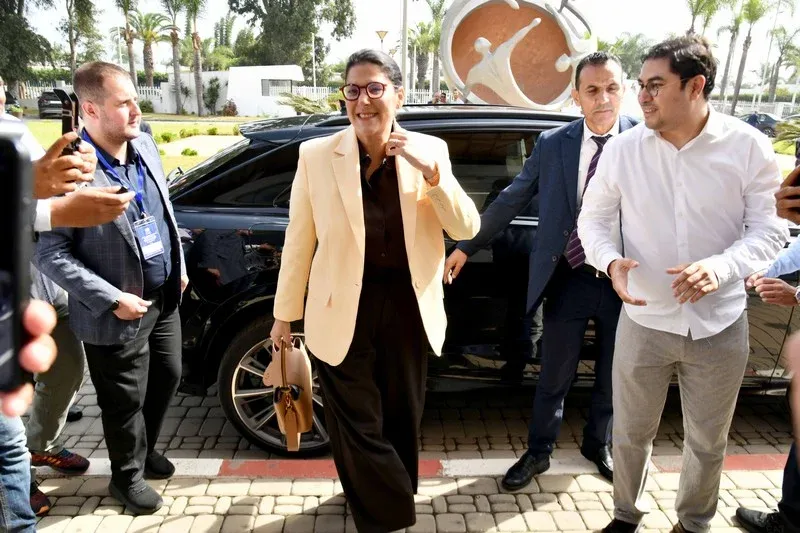
The appointment of Fatima Zahra Mansouri as the head of Morocco's government has sparked a myriad of discussions, particularly surrounding the implications of her being a woman in a traditionally male-dominated political landscape. As she steps into this significant role following an election that saw widespread abstention from voters, doubts linger regarding the extent of change she can bring to a populace that is disenchanted and demanding better healthcare and education. The youth, who previously expressed their frustrations through protests, seem less inclined to grant her any leniency based solely on her gender. Instead, they expect tangible results and accountability, holding her to the same standards as her male predecessors.
Mansouri's ascent to power marks a distinct shift in the narrative surrounding female leadership in Morocco. Unlike her male counterparts, her performance will inevitably be scrutinized through the lens of her gender, leading to a discourse that often transcends the political agenda. From her hairstyle to her interactions with male colleagues, every aspect of her persona is subject to public interpretation. This scrutiny raises important questions about gender representation and the expectations placed on women in positions of authority. Will she advocate for progressive policies such as increased maternity leave or menstrual leave? Such inquiries underscore the societal perception of women leaders as potential agents of change, even before they have had a chance to implement their policies.
The Impact of Gender on Political Dynamics
Historically, seventeen men have held the top civilian position in Morocco, embodying what sociologist Nirmal Puwar describes as the “natural occupants” of authority. In her influential work,
As reported by en.hespress.com.