
The situation surrounding the Moroccan Sahara is poised to return to the U.N. Security Council in October, nearly a year after a pivotal resolution reshaped the political discourse and positioned Morocco's autonomy proposal as a focal point for negotiations. This evolution has seen Morocco, the Polisario Front, Algeria, and Mauritania resume discussions, with the United States assuming a more proactive role, while the U.N. evaluates the future of its mission in the region. Here we delve into the significant changes that have transpired since the last Security Council meeting.
Key Developments Since October 2025
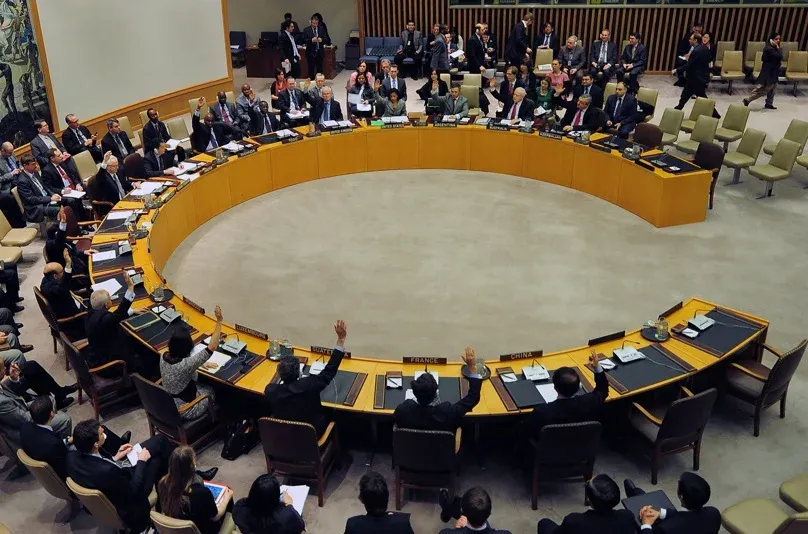
The foundation for the current discourse was laid by Resolution 2797, which the Security Council adopted on October 31, 2025. This resolution extended the mandate of the U.N. Mission for the Referendum in Moroccan Sahara (MINURSO) until October 31, 2026, with a vote tally of 11-0-3, where China, Pakistan, and Russia chose to abstain, and Algeria abstained from the voting process altogether. This resolution not only reinforced Morocco's autonomy proposal from 2007 but also indicated that genuine autonomy within Moroccan sovereignty might represent a “most feasible solution,” urging all parties to negotiate accordingly. However, it also maintained a call for a “mutually acceptable political solution” that allows for the self-determination of the Sahrawi people, thus establishing a dual framework for diplomatic efforts.
In December 2025, the General Assembly adopted Resolution 80/89 without a formal vote, reaffirming the “inalienable right” of peoples to self-determination and independence. This resolution emphasized that options for self-determination must align with the freely expressed wishes of the peoples involved and comply with U.N. principles. While this broader language continues to support self-determination, it contrasts with the October 2025 Security Council resolution, which spotlighted Morocco's autonomy proposal more prominently.
As the year progressed, U.N. envoy Staffan de Mistura worked to translate the resolutions into actionable discussions. In January and February 2026, high-level delegations from the U.N. and the U.S. engaged in talks in Madrid with representatives from Morocco, the Polisario Front, Algeria, and Mauritania, concentrating on implementing Resolution 2797. Following these discussions, the focus shifted to Washington, where further talks were co-chaired by de Mistura and U.S. officials. Although these discussions were deemed encouraging, they revealed persistent unresolved issues, particularly regarding the self-determination debate among the involved parties.
U.S. Involvement and Future Outlook
The United States has deepened its engagement in the negotiation process, having backed the 2025 Security Council resolution and offered to host subsequent meetings as part of de Mistura's diplomatic efforts. This intensified involvement marked a significant change from previous negotiation rounds, allowing for a diplomatic track that extends beyond traditional U.N. consultations in New York and regional meetings.
In April, the Security Council not only renewed MINURSO's mandate but also initiated a strategic review of the mission’s future. Closed consultations held on April 23 provided insights into the mission's operations and its vital role in monitoring, investigating, and reporting on developments in the region since its establishment in 1991.
By June, de Mistura had returned to the region for further consultations, but the fundamental disagreements between Morocco and Algeria regarding self-determination persisted, indicating that while a new negotiating framework was established, it did not eliminate the core contention. Concurrently, the U.N. Secretary-General’s 2025 report highlighted ongoing low-intensity hostilities between Morocco and the Polisario Front, warning that the prolonged conflict poses a growing risk of escalation.
The U.N. mission has also seen leadership changes, with the appointment of Pakistan’s Maj. Gen. Jawwad Ahmed as the new force commander in August, bringing over 35 years of military and peacekeeping experience to the role. As we approach the October 31 deadline for MINURSO’s current mandate, the Security Council faces another critical decision. Although the political process has become more dynamic since the last meeting, a final agreement remains elusive, underscoring the complexities of the Moroccan Sahara situation.
As reported by en.hespress.com.