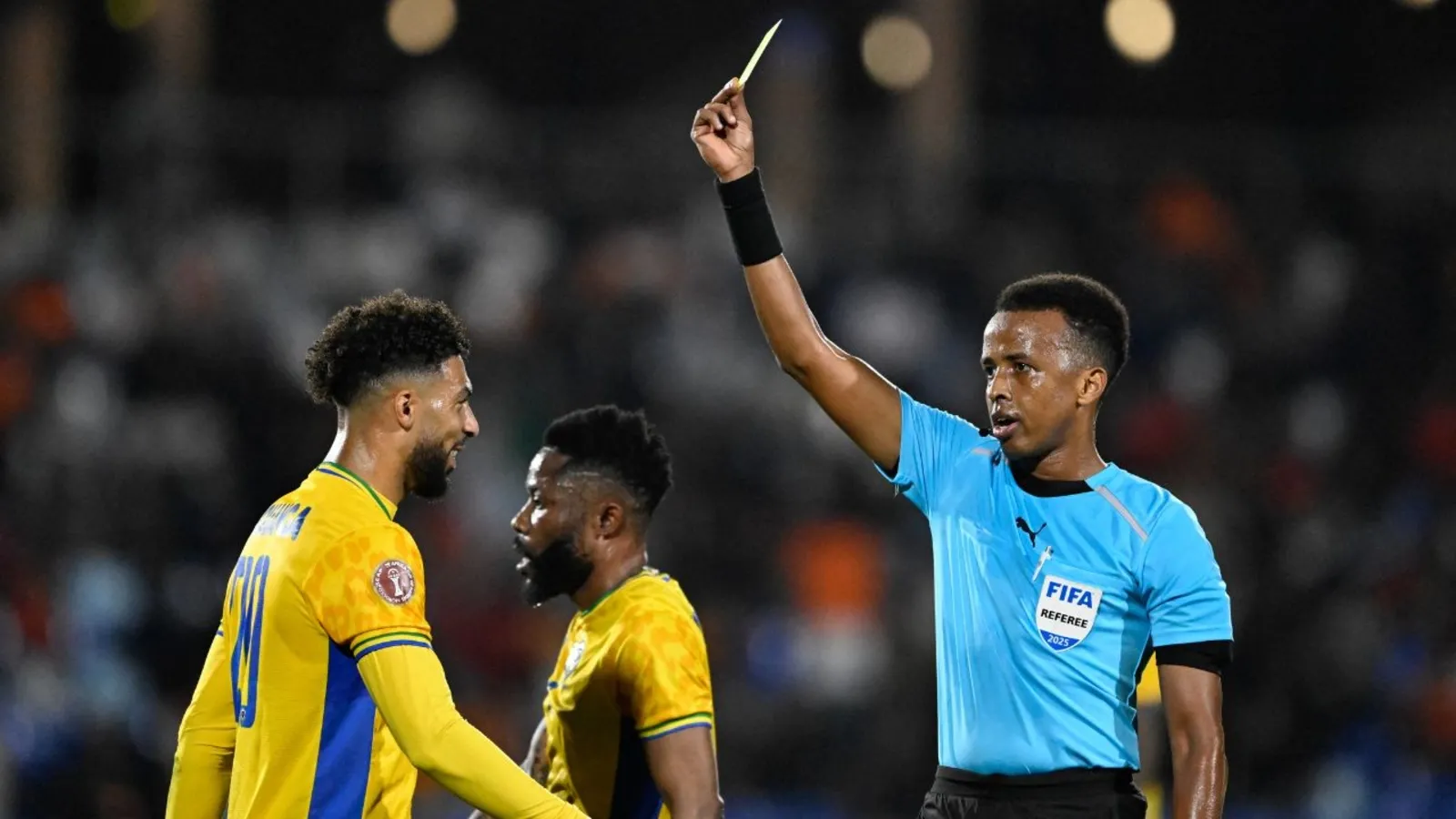

In a surprising turn of events, Omar Abdulkadir Artan, a Somali referee appointed for the 2026 FIFA World Cup, was denied entry into the United States upon his arrival at Miami International Airport from Istanbul. This incident occurred over the weekend and has raised significant concerns regarding the vetting process for international officials. According to U.S. Customs and Border Protection (CBP), the denial was attributed to "vetting concerns," although specific details were not disclosed in their official statement.
Upon his arrival on Saturday, Artan underwent what is described as an additional inspection, a routine procedure that occurs when customs officers need to verify information or assess an individual’s admissibility. Unfortunately for Artan, the inspection concluded with a determination of inadmissibility, which has implications not only for him personally but also for the integrity of the officiating team selected for this prestigious tournament.
Notably, Somalia is included in the travel restrictions implemented during the Trump administration, which has generated complications for individuals from certain countries seeking entry into the U.S. Despite the lack of public identification by CBP, FIFA confirmed that Omar Abdulkadir Artan is indeed the referee in question, marking him as the sole Somali official chosen for the upcoming World Cup.
FIFA has clarified that it does not engage in the immigration processes of host countries, including the adjudication of visas. They have been notified by U.S. authorities that Artan's status remains unchanged for now. In a broader context, FIFA had previously announced the selection of 52 referees and 88 assistant referees for the tournament, which highlights the significance of each official's ability to participate.
The CBP representative emphasized that all travelers, including athletes, coaches, and support staff, are subject to thorough inspection and vetting. They stated that admissibility decisions are made on a case-by-case basis, taking into account various law enforcement and national security factors available at the time of the inspection.
As the excitement builds for the World Cup, which is set to commence on Thursday and will be co-hosted by the United States, Mexico, and Canada, the implications of this incident may resonate throughout the tournament, drawing attention to the complexities of immigration policy in the context of international sporting events.
As reported by abc7.com.