
Comprehensive Development Strategy for Souss-Massa
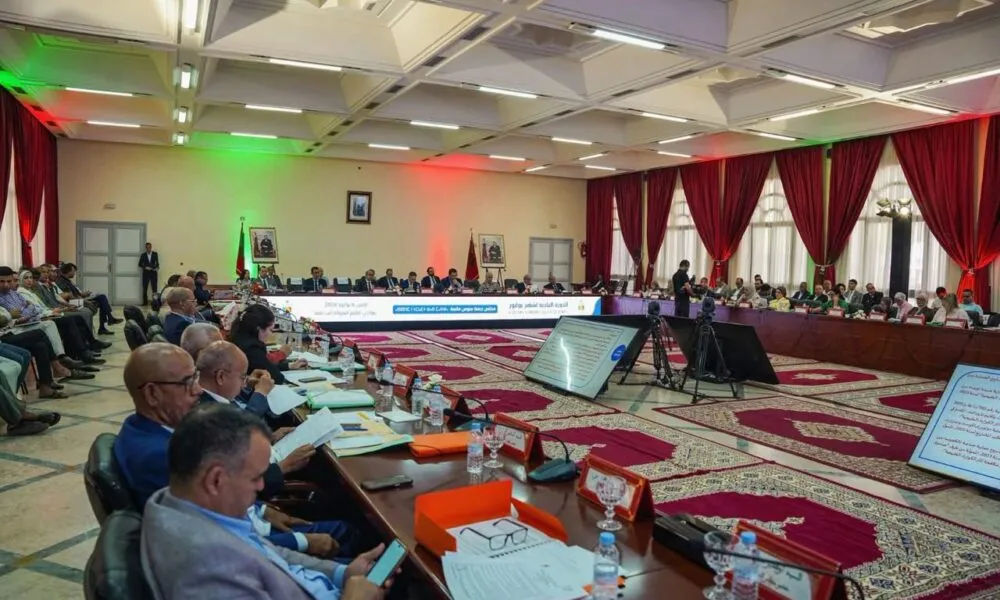
The ordinary July session of the Souss-Massa Regional Council, held on Monday in Chtouka Aït Baha, presented a clear vision for the region's roadmap: to accelerate progress across investment, infrastructure, social services, digital transformation, culture, and environmental sustainability. With 24 points approved, this session not only validated a series of agreements but also highlighted a development methodology centered on the expansion of sectoral projects with the ambition of enhancing territorial coherence throughout the entire region.
Economic Growth and Social Progress
From an economic perspective, the decisions made reflect a commitment to consolidating the productive levers of the territory. Key initiatives include the rehabilitation of the Agadir port, support for investment and employment for GDIRAGRI, and the establishment of a craft activity zone in Azrou Aït Melloul, all aimed at boosting the region's attractiveness and facilitating value creation close to economic hubs. Digital development was also a significant focus during this session. By approving a framework agreement with the Digital Development Agency and partnering on the "Data Tika" program with the CNDP, the region aims to bolster its digitalization trajectory. This initiative suggests a vision for a more equipped regional administration and a territory better prepared for digital usage.
However, it is perhaps in the social sphere that the impact of this session is most apparent. The Council greenlit several key projects, including university facilities in collaboration with Ibn Zohr University, the expansion of the Mohammed VI Center for the Disabled in Agadir, mobile medical units, and the advancement of a regional complex designed to accommodate and rehabilitate the homeless, mentally ill individuals, and vulnerable children. Additionally, plans are underway for a sterilization and vaccination center for stray dogs and cats in Greater Agadir, alongside the rehabilitation of the provincial headquarters for Civil Protection in Tata. This comprehensive approach underscores that territorial development is not solely confined to economic infrastructure.
Moreover, land management has become a central focus, with Belfaa, Aït Ouafqa, Aït Baha, Taliouine, and Ourir among the centers targeted for new rehabilitation and integrated development programs. Concurrently, projects related to drinking water and sanitation emphasize that territorial balance also hinges on access to essential services, particularly in rural and intermediate areas. Cultural initiatives were not overlooked during this session, as partnerships with UNESCO concerning intangible cultural heritage, support for events organized by Ibn Zohr University, participation in the El Jadida Horse Show, and backing for the International Cinema and Migrations Festival reflect a desire to better leverage the region's symbolic resources and expand its cultural influence.
Lastly, environmental considerations have emerged as a critical structuring axis. Liquid sanitation, flood protection measures in various municipalities, and the mobilization of the fund to combat the effects of natural disasters indicate that the region is keen on integrating resilience imperatives into its infrastructure policy. This July session reaffirms the region's commitment to a broad action-oriented strategy, where projects accumulate without losing sight of a central objective: to transform Souss-Massa into a more balanced, better-connected, and resilient territory. The next challenge lies in turning this array of agreements into tangible achievements, a crucial condition for ensuring that this dynamic takes root in the community.
As reported by lavieeco.com.