
Spain's Migrant Crisis and External Accusations
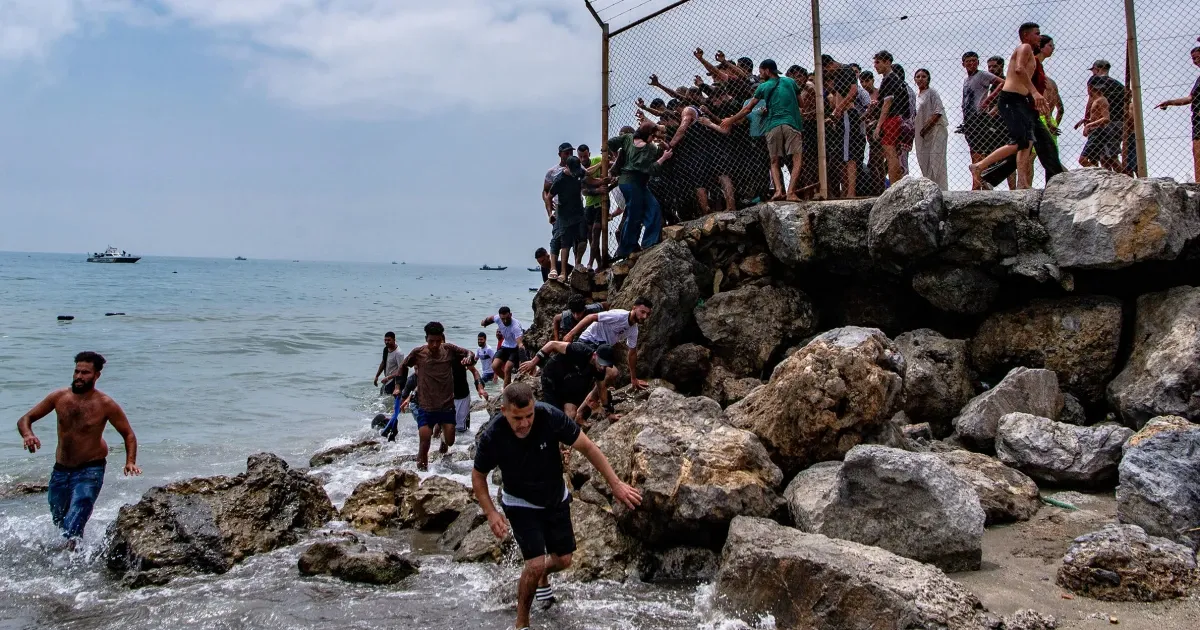
In a recent statement, Spanish Prime Minister Pedro Sánchez attributed the widespread disinformation surrounding the migrant crisis in Ceuta to external actors, specifically pointing fingers at Russia and Israel. This allegation comes after a significant surge of over 72,000 migrants crossed from Morocco into the Spanish enclave during the last days of July, leading to heightened tensions and alarm within the European Union. The influx resulted in tragic consequences, with local authorities reporting at least 100 fatalities as individuals attempted to make the perilous crossing. Sánchez indicated that the misinformation had been strategically disseminated to criticize Spain's stance on the ongoing conflicts in Ukraine and Gaza, suggesting a geopolitical motive behind the actions of these two nations.
While Sánchez firmly denied any involvement by Moroccan authorities in facilitating the mass crossings, he emphasized the role of social media platforms such as Instagram and TikTok in propagating misleading narratives that encouraged migrants to attempt the journey, under the false impression that they could remain in Spain if they reached Ceuta. The Prime Minister mentioned research conducted by the European Union's diplomatic service, which pointed to Russian and Israeli networks collaborating with far-right groups to amplify these disinformation campaigns. This assertion underscores the complex interplay of migration policy, international relations, and information warfare in the current global landscape.
Local Reactions and Government Response
In the aftermath of the migrant rush, Ceuta has seen a significant number of individuals—approximately 5,000—remaining in the area, many of whom are seeking asylum. This situation has led to daily protests from local residents who are dissatisfied with the government's handling of the crisis, further complicating the humanitarian landscape. Incidents of aggression against migrant camps have also been reported, highlighting the rising tensions within the enclave. In response to these challenges, Sánchez announced the allocation of €168 million (approximately $195 million) in emergency funds aimed at revitalizing Ceuta's economy. This financial support is intended to mitigate the impact of the crisis and is in addition to €180 million already pledged for recovery efforts.
As the situation evolves, the Spanish government is under pressure to address both the humanitarian aspects of the migrant crisis and the geopolitical implications of the accusations levied against foreign powers. The delicate balance between managing a national crisis and navigating international relations remains a significant concern for Madrid.
As reported by nbcnews.com.