
Enhanced Security at the Ceuta Border
In response to alarming calls on social media for a renewed mass influx of migrants into Ceuta, Spain and Morocco are ramping up their border security measures. Following the unprecedented events at the end of July, when estimates suggest that up to 80,000 migrants reached Ceuta, authorities are taking proactive steps to prevent a repeat of such a crisis. Reports from local media indicate that the border crossing in Ceuta was quiet in the morning hours, despite heightened tensions, suggesting that current measures may be effective for the moment.
Spanish Interior Minister Fernando Grande-Marlaska has reiterated the extraordinary nature of the previous migrant surge, emphasizing that such an event should not be expected to recur. Just days ago, Moroccan authorities announced the arrest of a group suspected of inciting further illegal entry attempts into the Spanish enclaves of Ceuta and Melilla. The urgency of the situation is reflected in social media, where calls for mass crossings on August 15 have emerged, prompting both nations to implement all necessary measures to thwart any illegal border crossings.
Increased Patrols and Security Measures
Over the past few days, Morocco has significantly intensified its security operations along the border, as reported by RTVE. In the border town of Fnideq, additional barriers made of barbed wire and NATO wire have been erected to bolster defenses. Furthermore, patrol boats are actively monitoring the coast, and water cannons are on standby at the border. Numerous checkpoints have also been established on access roads leading to Ceuta, signaling a robust commitment to border security.
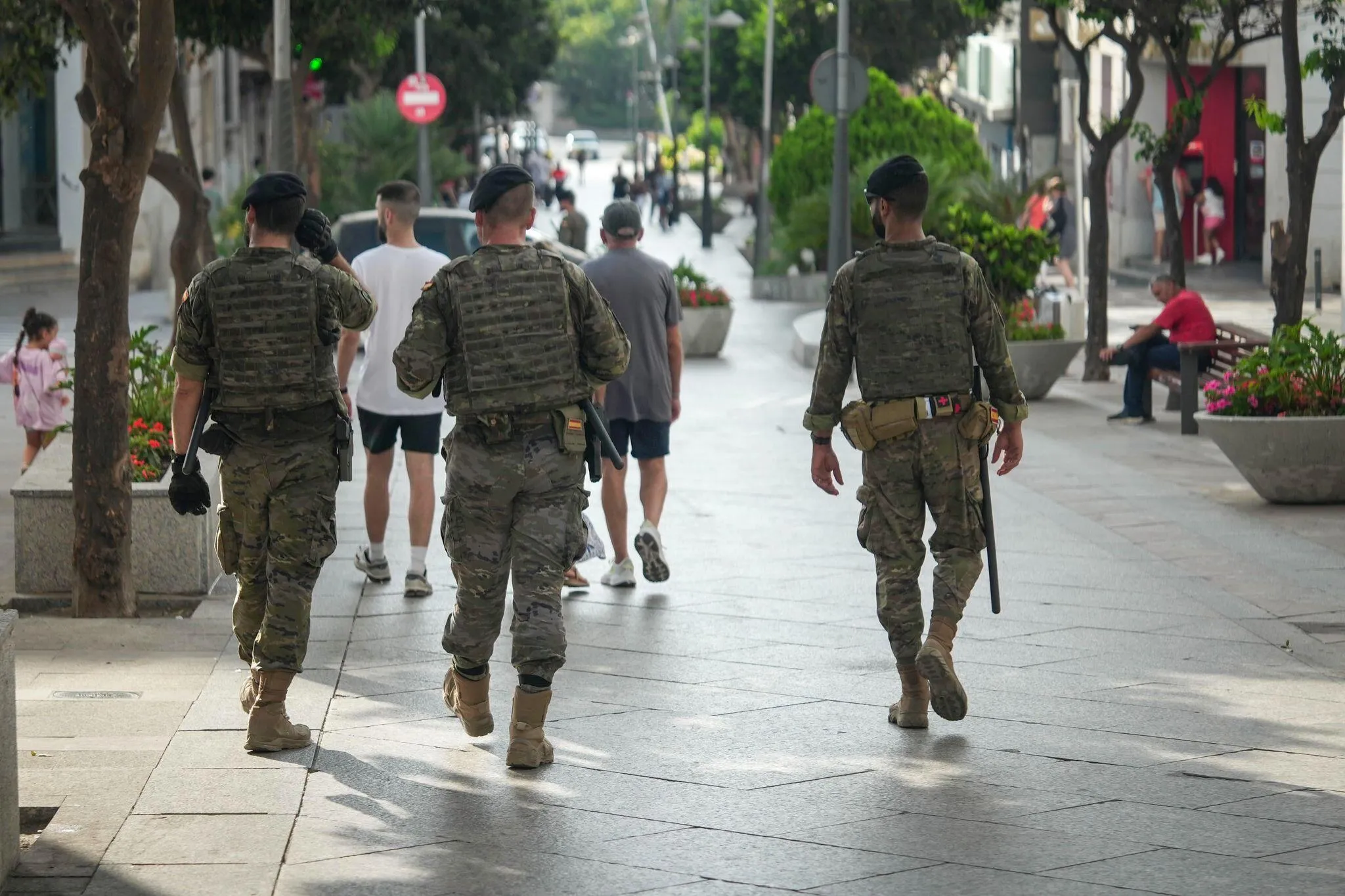
In Ceuta itself, the presence of 880 officers from the Spanish National Police marks an increase of 270 personnel since late July, supported by approximately 2,000 soldiers and 700 officers from the Guardia Civil. This substantial force underscores the seriousness with which both nations are treating the potential for further migrant surges. The prior influx, particularly on July 30, was without precedent, resulting in tragic fatalities as dozens lost their lives during the perilous attempt to reach Ceuta. Official reports indicate that 83 bodies were recovered from the sea, while NGOs estimate the death toll to be significantly higher.
Despite the chaos, many of the new arrivals reportedly returned to Morocco within hours or days, with around 5,000 migrants currently remaining in Ceuta, according to Minister Grande-Marlaska. He acknowledged that it would take some time before normalcy could be fully restored, highlighting the ongoing challenges faced by both countries in managing migration effectively and humanely. As reported by web.de.