
In a significant diplomatic maneuver, Spain and Morocco, alongside Portugal, are set to host the 2030 FIFA World Cup. However, in the midst of a crisis within FIFA and its president Gianni Infantino, both countries are fiercely competing for the opportunity to organize the tournament's final match. Spain, having recently triumphed as the men's world champion in July and the women's champion in 2023, seems unbeatable on the football pitch. Yet, when it comes to governance, particularly amid the global scrutiny surrounding Infantino's presidency, Spain finds itself sidelined this summer. Borja García, a sports politics professor at Loughborough University, noted the Spanish Football Federation’s muted response, which aims to avoid antagonizing both UEFA and FIFA.
The Royal Spanish Football Federation is treading a fine line by supporting a boycott of the upcoming World Cup to protest Infantino’s missteps while simultaneously organizing the event with Portugal and Morocco. Contracts with FIFA have been finalized, Spanish cities are preparing to welcome millions of fans, and stadiums, including the renowned Camp Nou in Barcelona, are either ready or nearing completion. This precarious situation places Spain in a compromising position, potentially leading to a self-inflicted setback.
Morocco's Ambitious Stadium Project
Behind the scenes, Spain is engaged in another critical battle that could influence its economy and soft power: securing the final match of the World Cup, which attracts an international audience of over a billion viewers. Simon Chadwick, a governance expert in sports, highlights the highly politicized nature of the 2030 World Cup, pointing out a direct competition between Spain and Morocco. The latter envisions itself as Africa's premier sports nation and a significant geopolitical player, aspiring to reap the rewards of its status by hosting the final. Chadwick speculates that FIFA may favor Morocco in this contest.
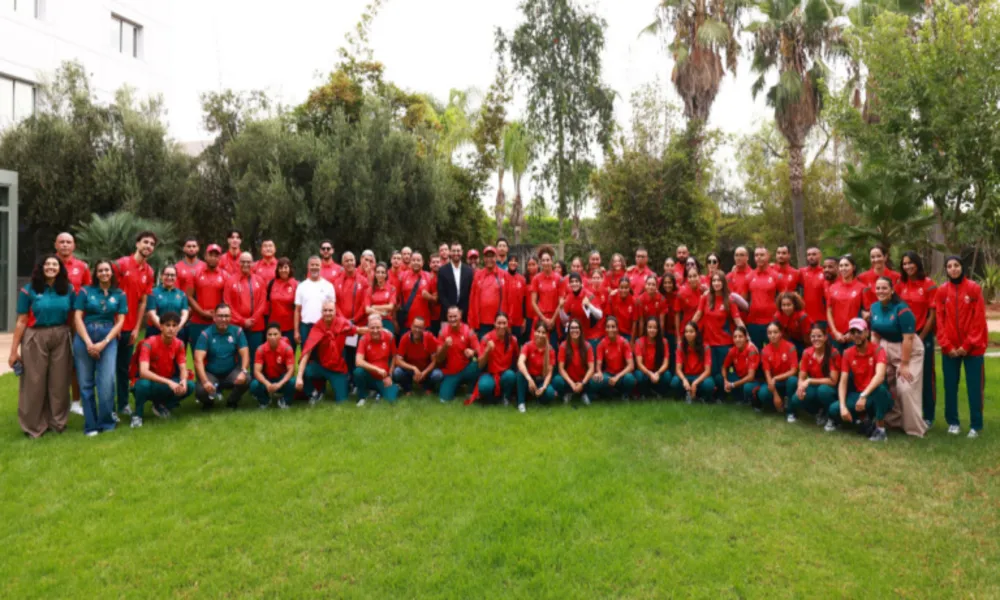
To gain an edge in this rivalry, Morocco is constructing the largest football stadium in history near Casablanca, the Hassan II Stadium, with an estimated cost ranging from 500 million to 1 billion euros. This stadium will boast a capacity of 115,000 spectators. Yassir Soussi, director of Morocco’s National Agency for Public Equipment, expressed a strong desire to host the final, emphasizing that while many regard the Santiago Bernabéu Stadium as football's cathedral, it is already an established venue. In contrast, the Hassan II Stadium is brand new and fully adaptable to FIFA's requirements. Beyond infrastructure, Morocco is also undertaking discreet political maneuvers to bolster its bid.
The Political Landscape Surrounding the 2030 World Cup
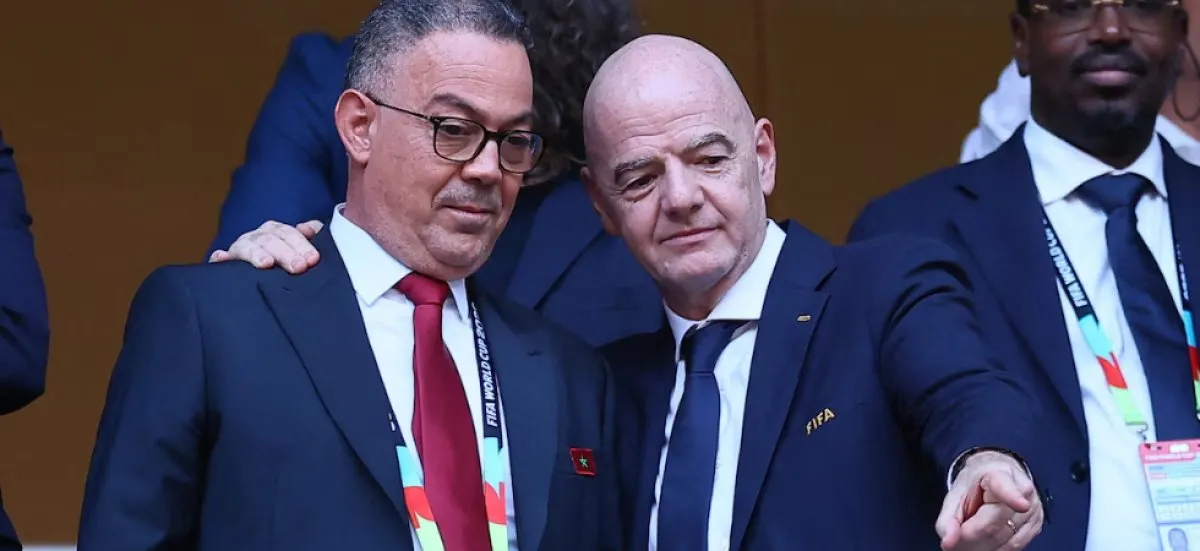
In early August, Infantino convened his supporters in Morocco in response to growing threats to his presidency. Recent leaks about his plans to privatize parts of the World Cup and FIFA's commercial revenues sparked outrage among global football stakeholders, prompting UEFA and other confederations to openly criticize him. During this challenging time, Infantino has strategically aligned himself with Moroccan officials, including the president of the Moroccan Football Federation, Fouzi Lekjaa.
Additionally, on July 30, Infantino attended Morocco's Throne Day celebrations, marking King Mohammed VI's 27th anniversary on the throne. His presence alongside the king and his heir, Prince Moulay El Hassan, was a calculated move to showcase Morocco's progress in World Cup preparations while fostering closer ties with African federations to solidify his position amidst European dissent. Chadwick notes that Infantino has cultivated a relationship with Moroccan leadership akin to that he shares with former U.S. President Donald Trump, both of whom have significant influence on the future of the World Cup.
This political cocktail complicates matters for Spain, especially considering Trump's longstanding grievances against the Spanish government led by Pedro Sanchez. It is rumored that Trump has urged FIFA to prioritize Morocco, a strategic ally of the U.S. and Israel, particularly in light of deteriorating relations between Madrid and Rabat following a recent migration crisis.
Spain appears to be ignoring this explosive political context. According to its federation, only the iconic Santiago Bernabéu Stadium is deemed worthy of hosting the final, and it is unlikely that any new projects could rival its status. García points out that while FIFA often makes politically charged decisions, it also considers economic rationality; thus, despite Casablanca's stadium capacity exceeding that of Bernabéu, the financial incentive of hosting a final in Europe remains substantial.
In the 2026 World Cup, FIFA faced similar dilemmas but ultimately chose the MetLife Stadium near New York over other contenders. García remarks that while Madrid would typically be the logical choice, Infantino's need to secure his position may tilt the scales in favor of Morocco. This uncertainty leaves Spanish officials anxious, especially since FIFA's decision-making timeline may not align with previous events, as the upcoming presidential election in March 2027 will likely dictate the fate of the final venue.
As reported by actu.orange.fr.