

Half a Century of Ambition: The Submarine Tunnel Connection
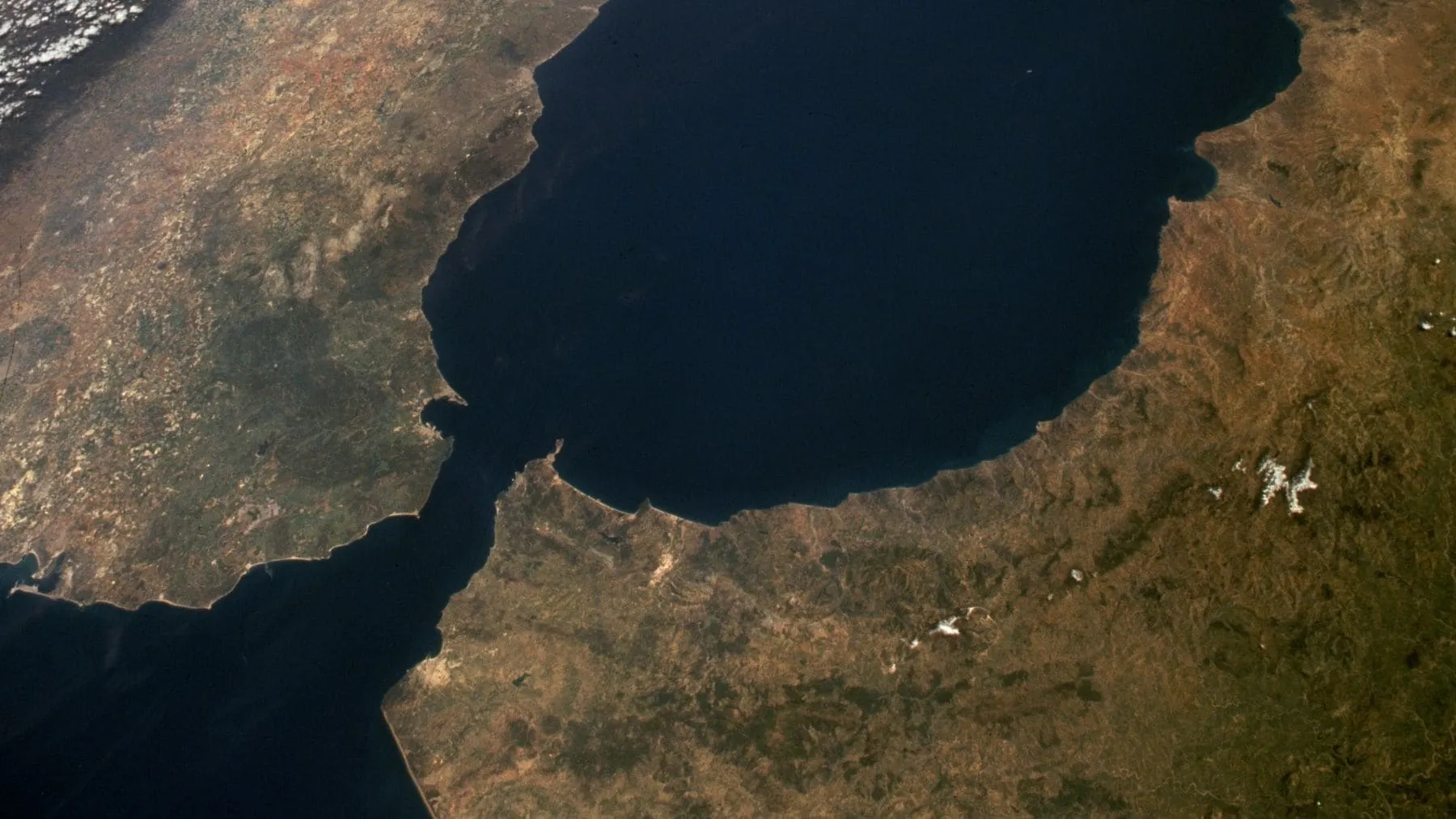
For nearly fifty years, Spain and Morocco have been exploring the possibility of establishing a fixed connection between Europe and Africa through a submarine tunnel in the Strait of Gibraltar. While the concept may appear straightforward from the shores of Tarifa, the reality beneath the ocean's surface presents significant geological challenges. Recently, in 2026, there has been renewed momentum on the project as the Spanish government has commissioned the Superior Council for Scientific Research (CSIC) to conduct a thorough investigation of the seabed around the Camarinal Sill, a region that is both hazardous and promising for this endeavor.
This initiative comes with a budget of €553,187.38 and aims to enhance the geological understanding of the Camarinal Sill. The primary objective is to create a detailed 3D geological model that will help mitigate uncertainties before entering more expensive phases of the project. According to the terms of the commission, this seabed survey is to be completed by the end of the first half of 2026 and will involve high-resolution bathymetry, subsurface profiling, sample collection, and laboratory analysis. Practically, this means that the aim is to accurately identify the most problematic areas of the seabed before any actual tunneling begins.
Geological Complexities and Environmental Considerations
The Strait of Gibraltar is not a uniform channel; the Camarinal Sill has depths of less than 300 meters, which is critical for the exchange of waters between the Atlantic and the Mediterranean and plays a vital role in the Alboran Sea ecosystem. Consequently, the proposed route for the tunnel avoids the deepest parts of the strait, though it still involves navigating depths approaching 475 meters. Recent technical discussions have reiterated that the project is "technically feasible," with a projected travel time of approximately 30 minutes for the tunnel.
Geologically, the area beneath Camarinal is characterized by Flysch materials, which consist of layers of sandstones and turbiditic clays, overlain by more recent deposits from the Pliocene and Quaternary periods. This layering results in a variety of geological behaviors even over short distances. Challenges include not only the immense pressure of the water but also the irregularity of the rock, the presence of weakness planes, and sediment deformation, all of which could complicate stability during excavation. Recent reports have highlighted the Flysch as one of the most demanding sections of the proposed tunnel.
The Strait serves as a logistical and ecological bottleneck, with over 100,000 vessels navigating its waters annually, making any seabed intervention highly sensitive. Additionally, the CSIC's survey takes place within a Special Conservation Area (ZEC) and a zone with protections for orcas, necessitating additional environmental permits and oversight. More than 1,900 species of marine flora and fauna have been recorded in these waters, and sightings of cetaceans are common, leaving little room for unplanned actions.
If the connection ultimately takes the form of a rail link that is electrified, its climate impact becomes a significant consideration. A study by MITECO estimated that high-speed rail would emit around 19.9 grams of CO2 per passenger-kilometer in 2019 using the national electric mix, significantly lower than more emission-intensive travel modes. However, the real environmental balance would rely on data not yet publicly available, including the carbon footprint of construction and the demand that the new link might generate. It is important to also consider the existing ferries and their impact on air quality and climate, with Transport & Environment (T&E) summarizing that "Ferries should connect communities, not pollute them," a sentiment that resonates with anyone who has waited at a port during peak season.
In parallel with the CSIC studies, Secegsa has commissioned the German company Herrenknecht to conduct a technical feasibility report, which concludes that excavation is achievable with current technology. An engineering representative from the company stated that "it does not exceed the capabilities of present technology." Nevertheless, the timeline remains extensive, with initial plans for a reconnaissance submarine gallery expected to take between six to nine years, placing the completion horizon between 2035 and 2040. The estimated investment from Spain exceeds €8.5 billion, according to press reports.
Seismic activity is another critical factor. The National Geographic Institute has noted that the Iberian Peninsula is situated at the intersection of tectonic plates, with the Azores-Gibraltar-Tunisia fault being part of this framework, which includes the infamous earthquake of 1755. If the tunnel is ever constructed, it will need to withstand these geological dynamics for decades to come.
As reported by ecoticias.com.

