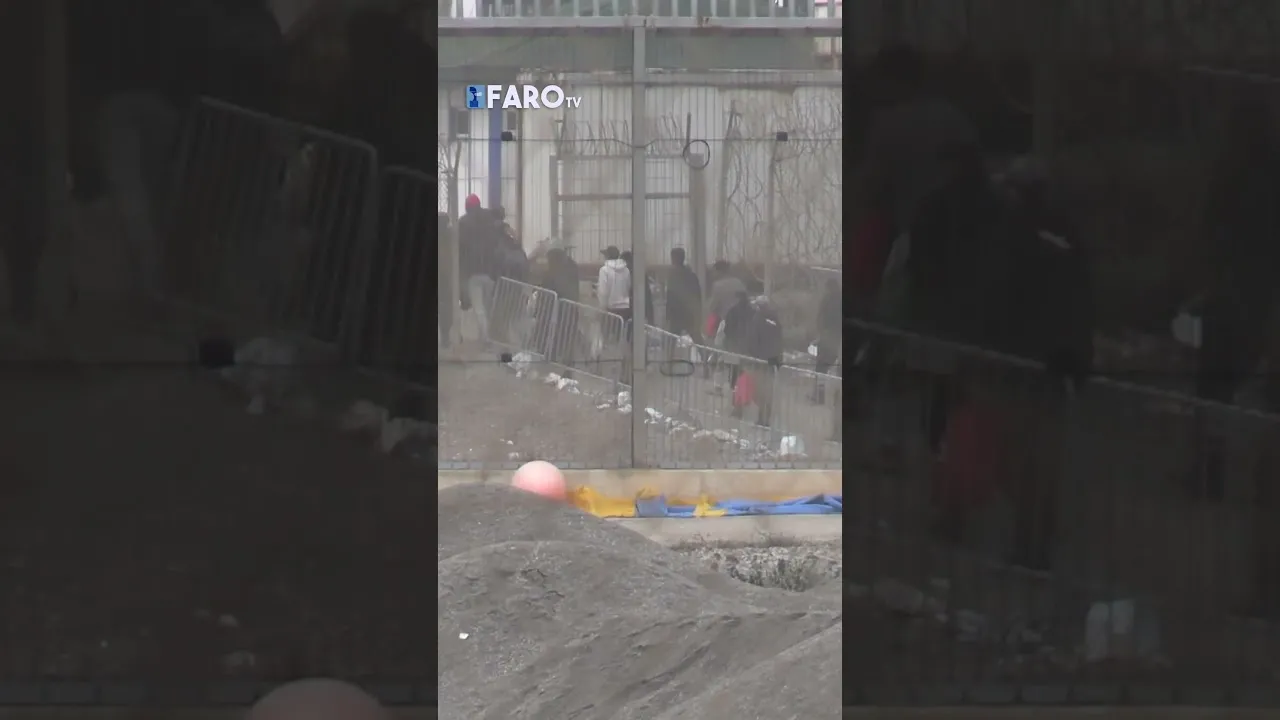

Ceuta's Migrant Camp Cleared by Authorities
The Spanish government has completed the evacuation of a migrant camp located in the Spanish enclave of Ceuta in North Africa, where more than 3,000 individuals had been living in tents and makeshift shelters since late July. The operation, which involved both police and military forces, required the displaced individuals to make a critical choice at the Tarajal border crossing: either return immediately to Morocco or register for emergency accommodations in a tent camp. Many migrants opted against registration due to fears of deportation and biometric data collection, leading to approximately 600 individuals choosing to return to Morocco while others sought refuge in nearby forests, as reported by RTVE.
The Spanish police, in collaboration with military personnel, facilitated the removal of all migrants from the beach area known as Trampolin. The migrants were transported by bus to the border, where they faced a stark decision. According to a spokesperson from the Interior Ministry, the migrants could voluntarily return to Morocco or choose to register for assistance. However, the fear of being easily deported back to Morocco, classified as a safe country of origin, has caused significant anxiety among the migrants. There is a prevailing concern that registering their biometric data would make it easier for authorities to identify them and send them back to their home countries or the first registration country, even if they manage to reach mainland Spain or other EU nations.
Criticism of the Evacuation Process
The evacuation has drawn sharp criticism from humanitarian organizations such as Mission Lifeline, which condemned the actions of the Spanish authorities as coercive and lacking due process. Nolte Bauer, the head of the NGO, stated that the environment surrounding the operation, characterized by aggressive police presence and armored vehicles, undermined the concept of voluntary compliance and the rule of law. The organization has called for individual assessments for every migrant to ensure fair treatment.
In related news, the Spanish royal palace has announced a visit by King Felipe VI and Queen Letizia to the enclaves of Ceuta and Melilla on October 13 and 14. This visit, coordinated between the government and the royal household, will be the first by a Spanish monarch since King Juan Carlos visited these territories in 2007, a trip that sparked a diplomatic crisis between Spain and Morocco.
In late July, estimates indicated that up to 80,000 migrants had arrived in Ceuta from Morocco, with many returning shortly after. However, thousands of individuals remain in the enclave, highlighting the ongoing challenges faced by authorities in managing migration in this strategically important region.
As reported by zeit.de.