
Urgent Response to Migrant Influx in Ceuta
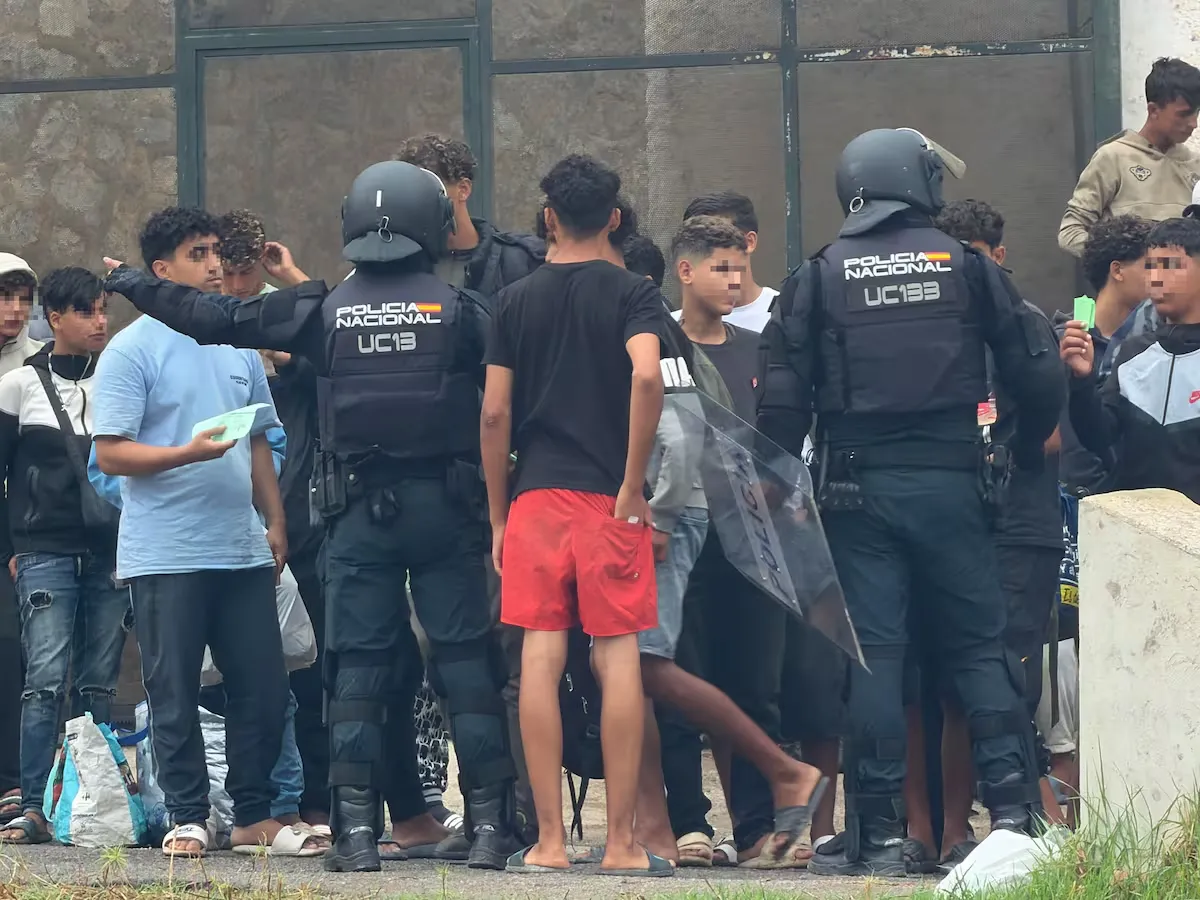
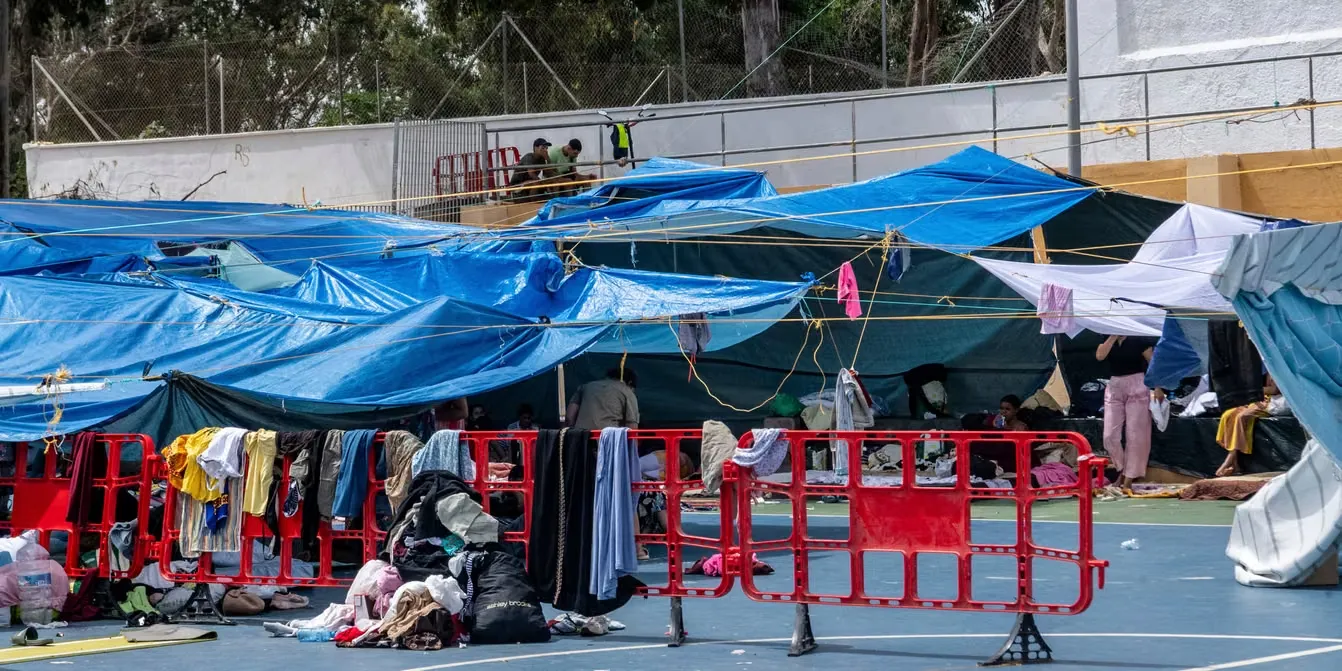
In a significant move to address the urgent humanitarian crisis unfolding in Ceuta, Spain's government has announced the establishment of shelters capable of accommodating up to 1,800 migrants. This decision comes in the wake of an unprecedented surge of migrants entering the Spanish enclave from Morocco at the end of July, where around 72,000 individuals crossed the border in a desperate bid for safety. Even though approximately 70,000 have since returned to Morocco, the remaining migrants, including a substantial number of women and unaccompanied minors, continue to face dire conditions, struggling to secure basic necessities such as food, water, and shelter.
Challenges Faced by Migrants and Political Tensions
The situation in Ceuta has become increasingly challenging, with many migrants having spent weeks sleeping on the streets or along the beach, highlighting the inadequacy of local resources to cope with the influx. Humanitarian organizations have raised alarms about the heightened vulnerability of women and girls in these circumstances. The Spanish migration ministry described the new shelters as temporary reception facilities, emphasizing their commitment to providing a safe alternative for migrants who currently lack adequate overnight accommodations.
Compounding the crisis is a growing political divide in Spain over how to handle the situation. The central government's attempts to transfer 500 unaccompanied minors to the mainland have met resistance from regional authorities, particularly those governed by the conservative Popular Party (PP) and the far-right Vox party. The secretary of state for children, Ruben Perez Correa, reiterated during a recent interview that mass deportations of minors are illegal, emphasizing that these vulnerable children often come from complex backgrounds and require specialized support.
As reported by lemonde.fr.