Morocco's Ambitious Bid for World Cup Final 2030
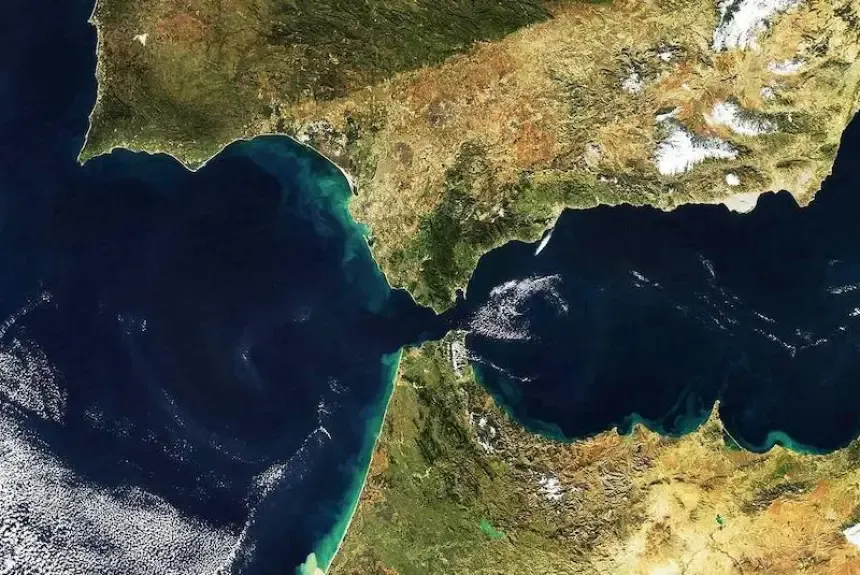
The anticipation surrounding the upcoming 2030 FIFA World Cup is intensifying, especially with Morocco making a strong push to secure the final match on its home soil. Spain and Morocco, alongside Portugal, have forged a historic partnership to jointly host this prestigious tournament, a decision that has been lauded by the FIFA due to the appealing nature of this collaborative bid. The World Cup matches are set to take place in stadiums across Spain, Morocco, and Portugal, but the final venue remains uncertain.
Initially, the atmosphere was filled with optimism and camaraderie among the football federations involved. However, despite the announcement of the host nations, FIFA has not confirmed the final's location, leading Spain to assume that the final would be held within its borders—a notion that Morocco has not readily accepted. In recent weeks, Morocco has been vocal about its ambitions to host the climactic match of the tournament, a move that could significantly bolster its political, economic, and sporting stature while posing a serious challenge to Spanish interests.
Strategic Maneuvering and Concerns from the RFEF
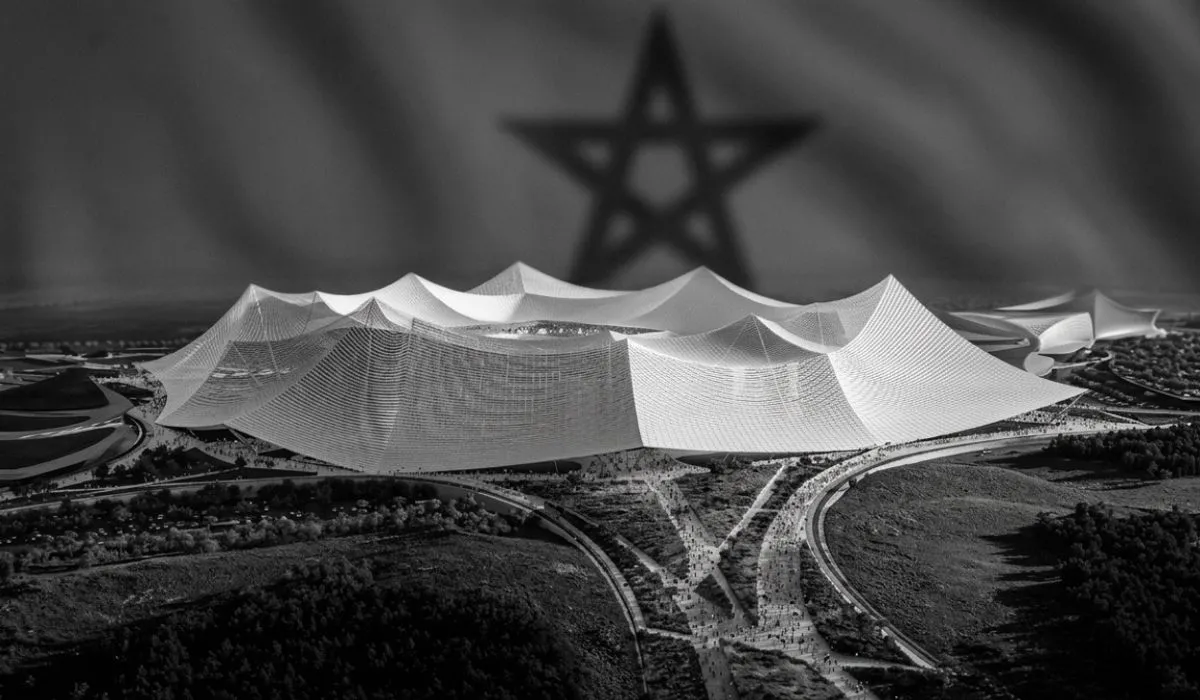
Morocco has been proactive in its approach, engaging in discussions with key stakeholders involved in the decision-making process. The North African nation is positioning itself as a formidable contender to host the final, with Casablanca's Hassan II Stadium boasting a capacity of nearly 115,000—surpassing the Santiago Bernabéu Stadium, which can accommodate around 90,000 spectators. However, FIFA's evaluation criteria extend beyond mere seating capacity; they also consider stadium infrastructure, security measures, and the ability to cater to VIPs, media, and broadcasting requirements.
The logistical aspects are critical, especially when organizing an event of this magnitude, as FIFA prefers locations with international airports, ample hotel accommodations, and efficient transportation systems for teams and fans alike. Furthermore, the symbolic and political significance of the chosen venue plays a crucial role in the final decision. Given these factors, the Royal Spanish Football Federation (RFEF) is acutely aware of the competitive landscape and has begun to express concerns. RFEF President Rafael Louzán has urged the Spanish government to become more actively involved in the World Cup preparations, emphasizing the need for leadership in this collaborative endeavor.
Louzán highlighted the importance of seizing this opportunity, noting Spain's capability and readiness to host the event. With plans for 20 potential venues—11 in Spain, six in Morocco, and three in Portugal—this World Cup promises to be a momentous occasion spanning three continents and six countries, including Argentina, Paraguay, and Uruguay. However, underlying fears persist within the RFEF regarding Morocco's strategies and influence, especially given Morocco's recent political and economic maneuvers that could sway FIFA's decision.
Additionally, Morocco's strengthening ties with the United States may further complicate Spain's position, as recent geopolitical shifts have seen the U.S. and Morocco enhancing their military cooperation. This development comes in the wake of Spain's distancing from the U.S. due to various geopolitical issues, raising concerns about the potential influence of the U.S. on FIFA's final decision regarding the World Cup final's location. With American investment interest in Morocco growing, the dynamics surrounding the World Cup are becoming increasingly intricate.
As reported by vozpopuli.com.