
Spain's Immediate Action for Unaccompanied Minors
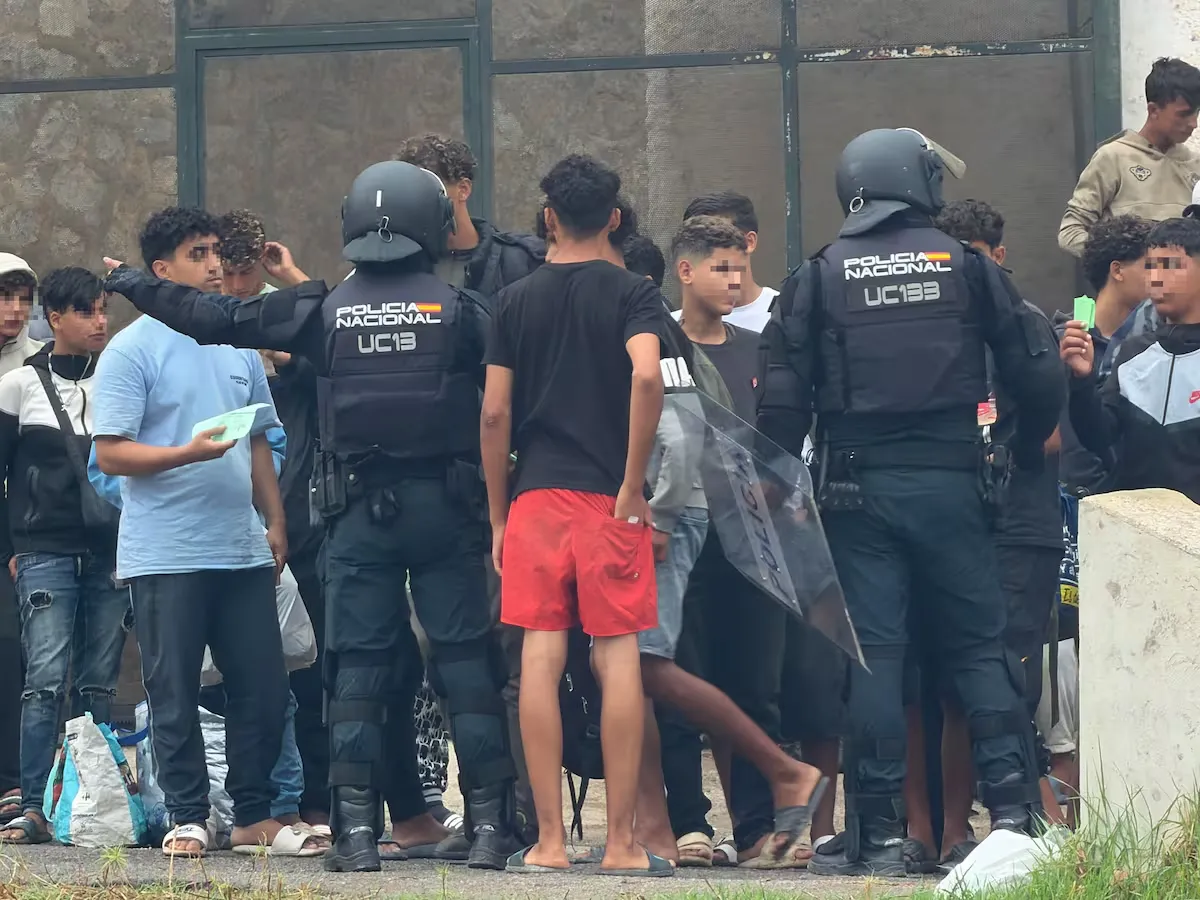
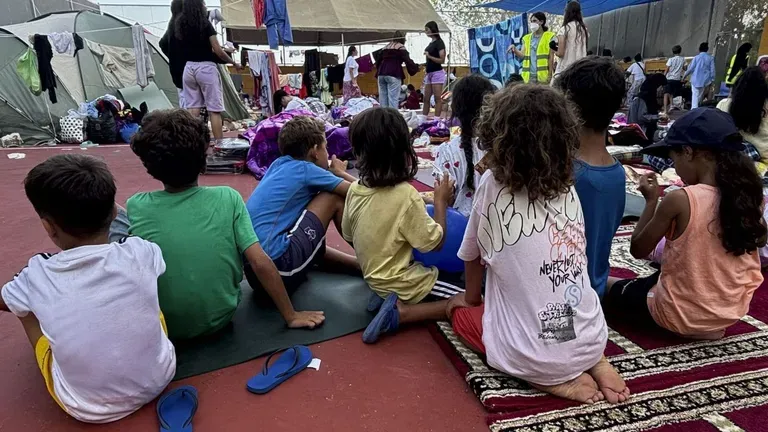
The Spanish government, alongside the authorities in Ceuta, has initiated an urgent plan aimed at relocating approximately 500 unaccompanied minor migrants from the city to the Iberian Peninsula. This initiative represents one of the most significant measures taken by Madrid to address the ongoing crisis involving the influx of children who arrived during the massive migration wave at the end of July. According to RTVE, on Wednesday, August 19, 2026, sources from the Ministry of Youth and Childhood confirmed that this plan primarily targets minors in particularly vulnerable situations, following an overwhelming influx that has exceeded the capacity of the protection and reception system in Ceuta.
The operation comes at a critical moment, as the Spanish Ministry of the Interior has reported that the national police have identified 2,168 minors since the events of July 30, highlighting the immense pressure local authorities are under in providing shelter, protection, and care for these children. The Ministry of Youth and Childhood, in coordination with the Ceuta government, is working to identify the minors who will benefit from this relocation initiative, prioritizing cases that require special protection. Contrary to some initial reports suggesting that the plan only includes girls, it now encompasses around 500 minors from the most vulnerable groups.
Challenges and Future Considerations
Spanish regions will participate in receiving the children relocating from Ceuta, utilizing resources managed by specialized organizations and considering family-based care options for certain cases. The Spanish news agency EFE has also confirmed the urgent transportation of approximately 500 minors, with the Ceuta government approving the plan as a necessary exceptional measure to alleviate pressure on the city. Additionally, the Ministry of the Interior announced on Tuesday that the national police managed to identify the 2,168 minors since the influx on July 30, placing them under the responsibility of the Ceuta government, which is charged with their protection. This number reflects an increase of 270 cases compared to a prior count of 1,898 minors, indicating that identity verification and age assessments are still ongoing weeks after the crisis began.
It is important to note that the figure of 2,168 does not imply that all these minors are Moroccan or share the same legal status, as the cases encompass a variety of nationalities and family circumstances. This necessitates an individual assessment of each case to determine the appropriate path for each child, whether it is remaining within the Spanish protection system, relocating to the peninsula, reuniting with family, or returning to their home country when legal conditions allow.
The announcement of the plan to relocate 500 minors comes amid discussions within the European Union regarding the possibility of returning minors to Morocco. The European Commission has stated that EU rules permit the return of unaccompanied minors without the right to stay, but they emphasized the need for individual assessments of each case to ensure that the child can be safely handed over to their family, legal guardian, or an appropriate reception facility. Furthermore, the best interests of the child must be the primary consideration in any return decision.
Thus, the management of the crisis involving minors is currently proceeding along two parallel paths: one involves relocating some minors from Ceuta to the Spanish peninsula to alleviate pressure and ensure better protection conditions, while the other concerns the potential for reuniting Moroccan minors with their families and their return to Morocco. It is crucial to understand that the relocation from Ceuta to another Spanish region does not automatically grant the child permanent residency, as their final status remains contingent on the outcomes of their individual case assessments and the legal guarantees applicable to minors. This aspect is particularly significant for Moroccan-Spanish relations, especially since Morocco has recently called for expedited procedures for the return of Moroccan children to their families.
Officials from Morocco have expressed the kingdom's readiness to receive Moroccan minors, while Madrid insists that any operation must respect the law and the principle of the child's best interest. The European Commission has also supported the principle of return when conditions are met, offering assistance to both Morocco and Spain to facilitate the processes involved. This makes the identification of the nationalities of the 2,168 minors one of the most awaited data points, as Spanish authorities have not yet released a definitive figure detailing how many of these are Moroccan and could be subject to family reunification and return procedures.
The plan to relocate 500 minors signifies a practical shift in managing the aftermath of the recent migration wave, as much of the previous response focused on establishing temporary shelters within Ceuta and bolstering human and security resources. The city is experiencing extraordinary pressure due to the number of migrants remaining after the wave at the end of July, prompting the Spanish government to create an additional 1,500 temporary shelter places alongside specific measures for minors.
The issue of children has become one of the most complex aspects of the crisis due to the overlap of responsibilities among the Ceuta government, the central government, and the Spanish regions, as well as the legal obligations related to the protection of minors and the necessary coordination with Morocco in cases of family reunification. The initiation of the first batches of minors being relocated to the peninsula will be a significant operational test of the new plan, with attention focused on the number of minors each Spanish region will accept, the time required to relocate the targeted 500, and concurrently, the number of Moroccan minors that authorities will decide to return to their families.
The existence of two distinct pathways—internal relocation within Spain and the potential return to Morocco—makes individual decisions regarding minors one of the most critical issues that will determine the trajectory of the Ceuta crisis in the coming weeks.
As reported by al3omk.com.