
Spain's Strategic Response to Migrant Influx in Ceuta
The Spanish government, in collaboration with Brussels, is formulating a comprehensive strategy aimed at the deportation of thousands of migrants from the autonomous enclave of Ceuta. However, it has been decided that hundreds of unaccompanied female minors will not be returned to Morocco at this time, as preparations are underway to accommodate them on the Spanish mainland. The Ministry of Youth has announced plans to relocate approximately 500 unaccompanied migrant girls from Ceuta, examining various options for their housing, including reception by autonomous communities through a Royal Legislative Decree, family placements, and care provided by specialized child protection organizations.
Migrations Minister Elma Saiz emphasized the collaborative approach being taken alongside the Ministry of Youth, the city of Ceuta, and the autonomous communities. She highlighted the importance of prioritizing the best interests of the child in every measure undertaken, stating, "These are girls who are alone; and we will always ensure their welfare." Currently, these minors are housed in secure facilities in Ceuta to protect them from potential sexual assaults. Saiz reassured that Spain is committed to adhering to national immigration laws, as well as European migration and asylum legislation, alongside international legal obligations.
EU's Stance on Irregular Migrants and the Role of Autonomous Communities
According to Markus Lammert, spokesperson for the EU Commission's Interior Affairs, there is an expectation that all individuals residing irregularly in Ceuta will be returned to Morocco, including the unaccompanied minors. He noted that the recently established EU return directive from June applies to minors as well, although the decision to return a child to Morocco will depend on individual circumstances—particularly concerning the child's welfare and the assurance of safe transfer to family members, guardians, or an appropriate reception facility.
In addressing the accommodation of the girls from Ceuta, Saiz pointed to the jurisdiction of Spain's autonomous communities—17 self-governing regions akin to German federal states. Notably, eleven of these regions are governed by the conservative opposition party, Partido Popular (PP). However, the PP has voiced opposition to the central government's plans. PP politician Juan Bravo criticized the relocation strategy, arguing that the best interest of the child is to be with their family, thereby advocating for the return of the minors to their families instead of redistribution within Spain.
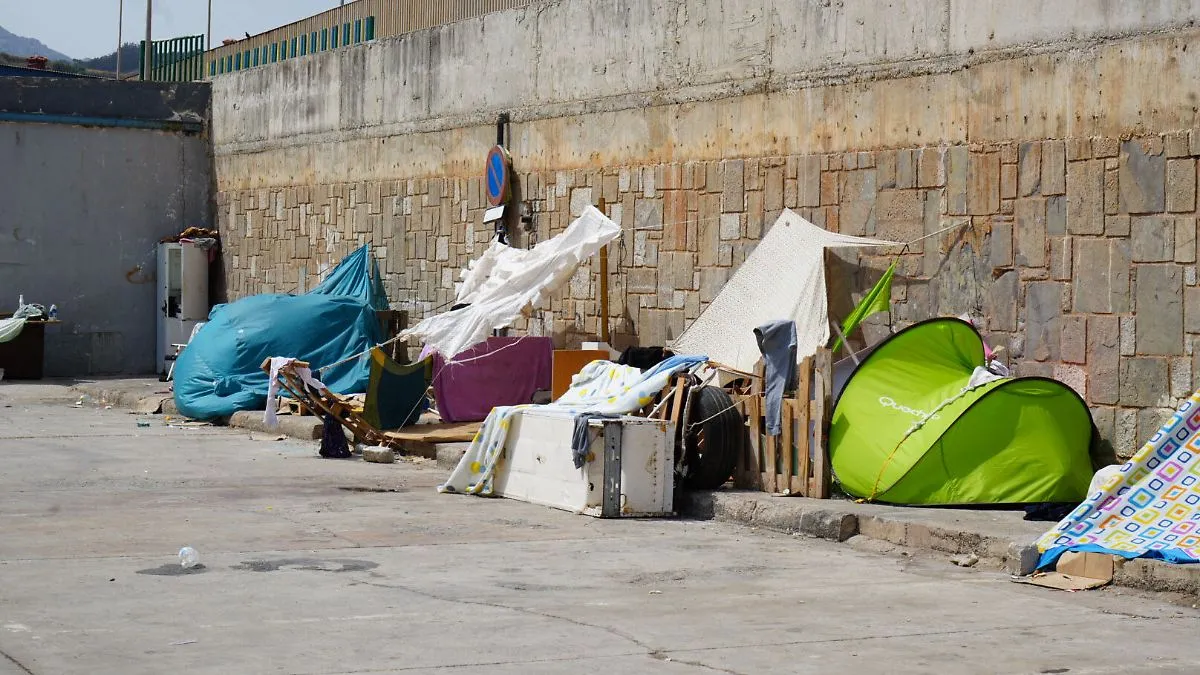
In response, Saiz criticized the stance of various PP politicians, particularly Ceuta's President Juan Jesús Vivas, who has issued a 30-day ultimatum to the central government to normalize the situation in Ceuta, threatening legal action otherwise. Saiz accused the opposition of seeking outrage rather than solutions, questioning, "What do the PP's statements offer to the people of Ceuta?" During the mass entry of July 30 and 31, official counts from the Spanish Interior Ministry recorded approximately 72,000 individuals crossing from Morocco to Ceuta—a record influx in the enclave's history. Thousands of migrants still remain in Ceuta, with the exact number remaining unclear, as noted by EU spokesperson Lammert.
As reported by n-tv.de.