
Spain's Firm Stance on Ceuta and Melilla
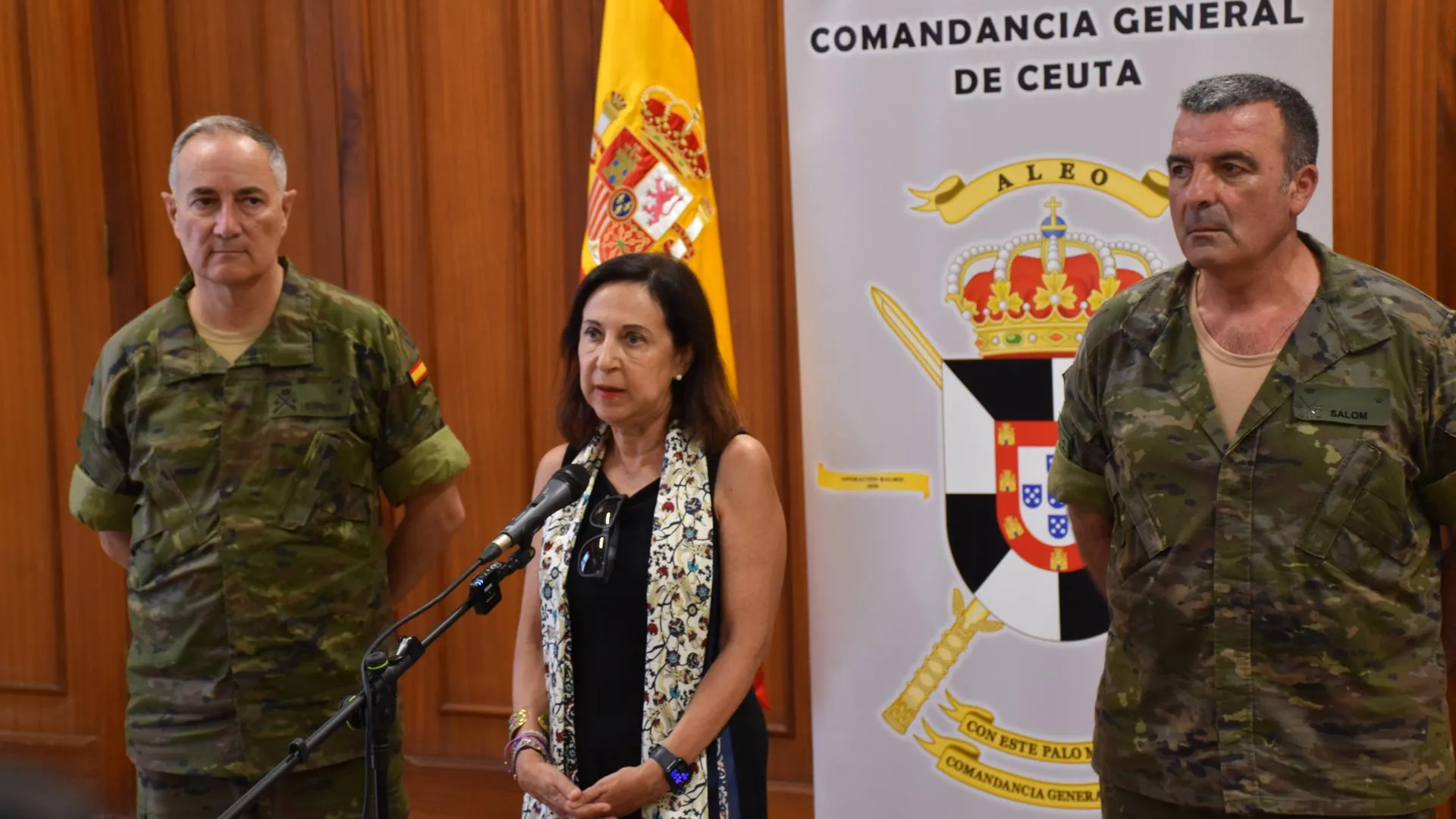
In a resolute response to recent diplomatic tensions, the Spanish government has reiterated its unwavering commitment to the territorial integrity of the autonomous cities of Ceuta and Melilla, situated on the northern coast of Africa. The Spanish Defense Minister, Margarita Robles, emphasized that these enclaves are fundamentally Spanish and any aggression towards them would be considered an attack on Spain as a whole. This statement comes in the wake of comments made by Moroccan Justice Minister Abdellatif Ouahbi, who, during a television interview, laid claim to the two cities following a significant influx of migrants into Ceuta at the end of July. According to Ouahbi, Morocco has consistently raised the issue of the status of Ceuta and Melilla in negotiations with Spain, underscoring the ongoing historical disputes surrounding these territories.
Historical Context of Ceuta and Melilla
Ceuta and Melilla have been under Spanish administration for centuries, with their current borders established following the Spanish-Moroccan War in 1860. Since gaining independence from French and Spanish colonial rule in 1956, Morocco has viewed Ceuta and Melilla as occupied territories, fueling nationalistic sentiments within the country. The strategic importance of these enclaves, coupled with their historical claims, continues to drive the complexities of Spain-Morocco relations, particularly in light of recent migration crises that have highlighted the delicate balance of sovereignty and humanitarian responsibility. As Spain navigates these challenges, it remains committed to defending its territorial rights while addressing the broader implications of migration and regional stability.
As reported by deutschlandfunk.de.