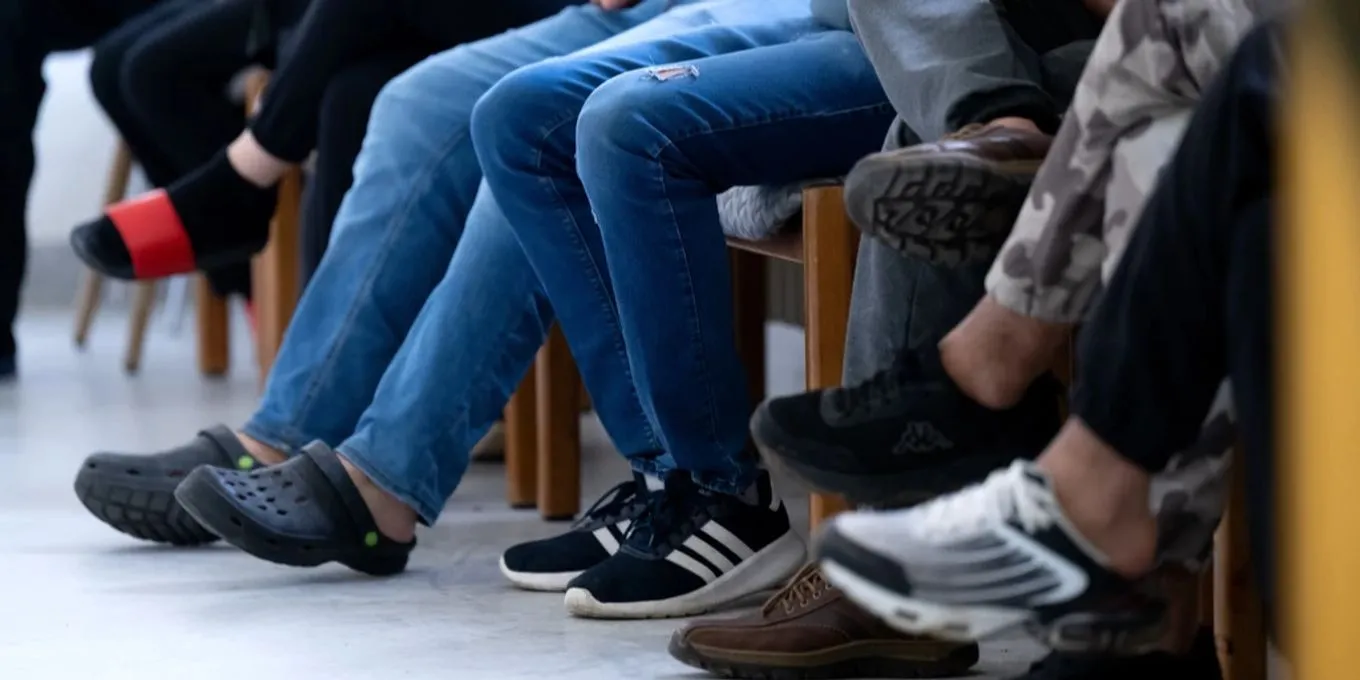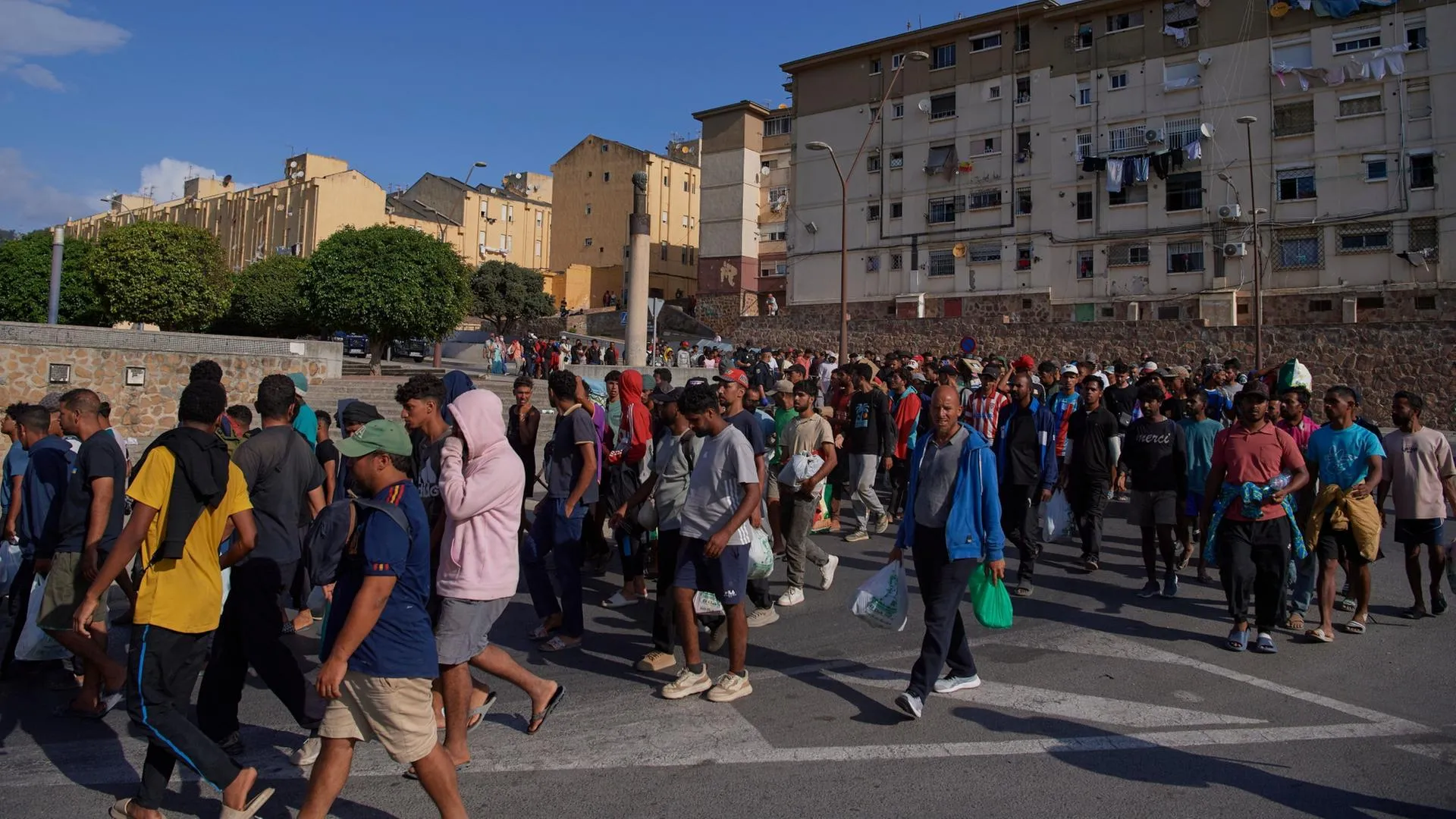

In July, a significant influx of migrants from Morocco surged into the Spanish enclave of Ceuta, with tens of thousands attempting the perilous journey. While the majority have since returned to Morocco, the Spanish government is now taking steps to provide accommodations for those who remain. Approximately one month following the mass arrival, local authorities in Ceuta have succeeded in relocating around 2,000 migrants to what are being termed 'temporary reception facilities.' This initiative aims to ensure that these individuals no longer have to endure nights on the streets or beaches, as highlighted by Spain's Ministry of Migration.
According to Spanish officials, mid-July saw an estimated 72,000 individuals reach Ceuta either by land or by swimming, tragically resulting in numerous fatalities during the crossing. Shortly after, about 70,000 migrants returned to Morocco or were repatriated. However, despite these numbers, hundreds of migrants continue to linger on Ceuta's shores, revealing the ongoing challenges faced by the authorities in managing this humanitarian crisis.
Among the approximately 2,000 migrants still in Ceuta, a significant number are unaccompanied minors. Many of these children have spent recent weeks sleeping outdoors, highlighting the dire living conditions they are facing. Local residents have expressed concerns over security and hygiene issues, voicing their frustrations regarding what they perceive as the government's neglect of the situation.
The management of the remaining migrants in Ceuta has become a contentious topic in Spain, drawing sharp divides between the left-leaning government and the conservative opposition. Public discontent is palpable, particularly due to the perceived corruption prevalent in Morocco that has driven many to seek refuge in Spain.
In a notable turn of events, regions governed by the right-wing People's Party (PP) have refused to accept unaccompanied minors, prompting the central government to intervene. The Spanish administration plans to transfer 500 girls, some as young as ten or eleven, to the mainland. Rubén Pérez Correa, Spain's Secretary of State for Children and Youth, emphasized the need for specialized care for these girls, who find themselves in 'very complex family situations,' during an interview with the Cadena SER radio station.
As reported by tagesschau.de.