
According to the Global FirePower 2026 report, Spain ranks as one of the top 18 military powers in the world, significantly ahead of Morocco, which is positioned at 56 out of 145 countries evaluated. This ranking indicates a growing concern regarding Morocco's accelerated rearmament strategy, primarily supported by the United States. Notably, in the previous 2025 report, Spain's military forces were ranked 17th, while Morocco was at 59th, highlighting a shift in military dynamics.
The Global FirePower (GFP) index, established in 2005, assesses the conventional military capabilities of 145 nations by combining over 60 factors, including personnel, air, land, and naval equipment, financial resources, logistics, and geography. A lower "PwrIndx" score indicates greater military capability, with a theoretical perfect score being 0.0000, which is practically unattainable.
Military Strength Overview
In the 2026 edition, Spain's ranking stands at 18th with a PwrIndx of 0.3247, placing it among the world’s 20 leading military powers, surpassing countries like Egypt, Ukraine, and Poland. In contrast, Morocco holds the 56th position with a PwrIndx of 1.0368, which is significantly higher (indicating a lesser military efficiency) than Spain's. The disparity between the two nations is substantial; Spain's military efficiency is over three times greater than that of Morocco, although it’s crucial to note that the GFP does not account for nuclear capabilities or command quality, but rather focuses on a weighted set of conventional resources.
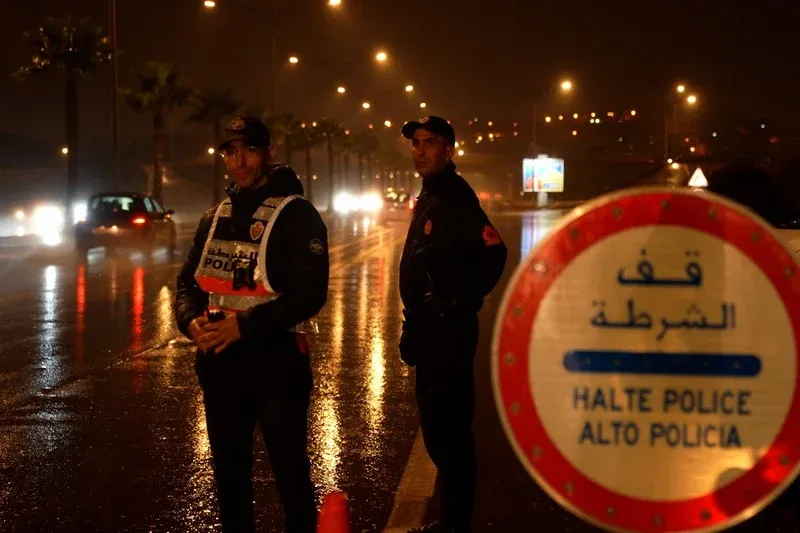
One striking difference highlighted in the report is the total military personnel. Spain has a population of approximately 49 million, with an estimated total military personnel of around 224,300 (including 121,800 active, 24,000 reserves, and 78,500 paramilitary forces). Conversely, Morocco, with a smaller population of about 38 million, reportedly boasts a much larger military force of approximately 700,000 personnel, comprising 400,000 active troops, 250,000 reserves, and 50,000 paramilitaries. This indicates that Morocco mobilizes a significantly higher proportion of its human resources compared to Spain, particularly in terms of ground forces, where Morocco's army is notably larger with 500,000 personnel compared to Spain's 86,000.
Comparative Military Assets
In terms of land forces, Morocco clearly outnumbers Spain in armored vehicles and artillery, possessing 1,346 tanks compared to Spain's 298. Additionally, Morocco has more self-propelled artillery (544 versus Spain's 96) and a notable number of armored vehicles, although Spain leads in total armored vehicle units with over 49,000. Interestingly, Spain has no multiple launch rocket systems (MLRS), ranking last in this category, while Morocco fields 185 such units.
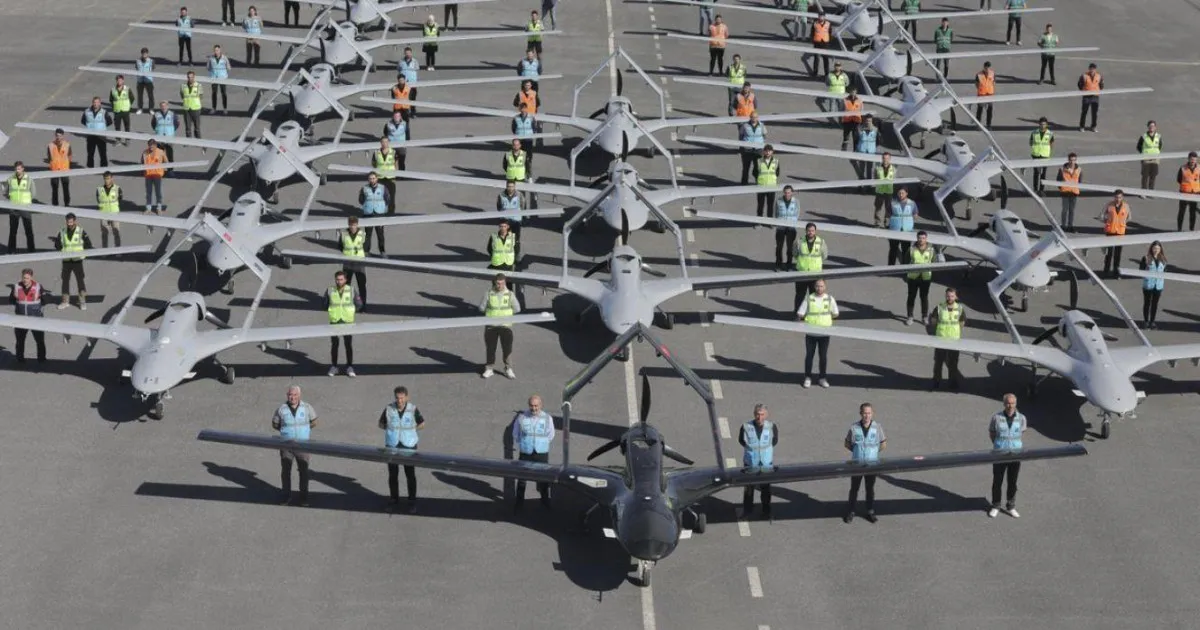
When assessing air power, Spain operates a larger total fleet, with 440 aircraft compared to Morocco's 271. This includes a greater number of fighter jets (136 vs. 84) and helicopters (169 vs. 73), along with more attack helicopters (17 vs. 6). However, Morocco exceeds Spain in air refueling capabilities, boasting 2 tanker aircraft, whereas Spain has none, placing it last in this category.
The naval capabilities present perhaps the most significant asymmetry between the two nations. Spain possesses a considerably more sophisticated navy, with a total of 175 ships compared to Morocco's 100. Spain's fleet includes an aircraft carrier (the Juan Carlos I) and two active submarines, while Morocco has neither. However, Morocco slightly outnumbers Spain in frigates, with 13 reported compared to Spain's 11, although detailed data suggests Spain has 11 frigates while Morocco has 6 frigates and 1 corvette. In terms of total displacement, Spain also leads with nearly 250,000 tons.
Another important qualitative aspect not captured by numerical indices is the alliance context. Spain is an active member of the European Union and NATO, which theoretically provides it with substantial allied support in a conflict scenario, thanks to the combined capabilities of its allies. Morocco, while part of the African Union and strategically positioned near the Strait of Gibraltar with close military ties to the US and France, does not belong to any formal military alliance comparable to NATO.
In conclusion, the GFP report delineates two distinct profiles: Spain is characterized as a medium-high power with advanced technology, superior naval and air power, better infrastructure, and a larger budget, yet with a relatively smaller military force in proportion to its population and a high external debt. Conversely, Morocco compensates for its more limited budget and technology with a significantly larger ground army and a growing defense expenditure, which is trending upwards according to the report. Overall, while the GFP index places Spain ahead of Morocco in overall military capacity, the advantage is less pronounced in land forces, where Morocco has made substantial investments in personnel and armored vehicles.
As reported by eldebate.com.