
The recent withdrawal of A Coruña from the list of candidate cities for the 2030 World Cup has left Spain with nine potential host locations, as the nation continues its collaborative effort with Portugal and Morocco to prepare for this prestigious event. The Spanish Football Federation (RFEF) has consistently communicated that this selection process remains fluid, a sentiment underscored by the latest developments. With A Coruña's decision made public on Monday, the dynamics of Spain's bid have shifted, leaving observers to speculate on future changes as the tournament approaches.
Currently, Spain retains nine of the eleven proposed venues submitted to FIFA, following the earlier withdrawals of Málaga and A Coruña. Morocco is aiming to maintain its six selected venues, although discussions about potential reductions are ongoing. Meanwhile, Portugal hopes to keep its three original candidates intact. The final decisions rest with FIFA, which is currently conducting inspections across the proposed cities. Insights from insiders suggest that FIFA is comfortable with a total of 16 to 18 stadiums for the tournament, akin to the arrangement for this summer's event hosted by the United States, Mexico, and Canada, which will feature 16 stadiums across three countries. Initially, 20 venues were proposed for the 2030 World Cup, but with the recent changes, the competition now stands at 18. There is a growing anticipation that Valencia might soon re-enter the fray, especially after local issues between the property and local administration have been resolved.
The selection of host cities has not been without controversy, as the RFEF has been careful to emphasize that the chosen venues were part of a preliminary plan, which could be adjusted based on circumstances and FIFA's final verdict. Hosting the World Cup entails significant responsibilities, which have already prompted some cities to reconsider their bids. Stadium capacity requirements, which necessitate at least 42,000 seats, along with other infrastructural demands, have led many venues to embark on expensive renovation projects. This has raised questions about the feasibility of hosting, prompting some cities like Murcia and Gijón to withdraw from contention, anticipating challenges in meeting project deadlines before 2028.
Among the most notable withdrawals was Málaga, once considered a critical player in the bidding process, which faced hurdles in its stadium renovation and commitments to the local football club. A Coruña's exit was similarly fraught with complications, primarily due to ongoing disputes between local administration and the Deportivo football club, which holds a long-term lease on the stadium. Throughout this process, the RFEF has refrained from taking the lead in these withdrawals, instead urging cities to voluntarily withdraw if they felt unable to meet the necessary requirements.
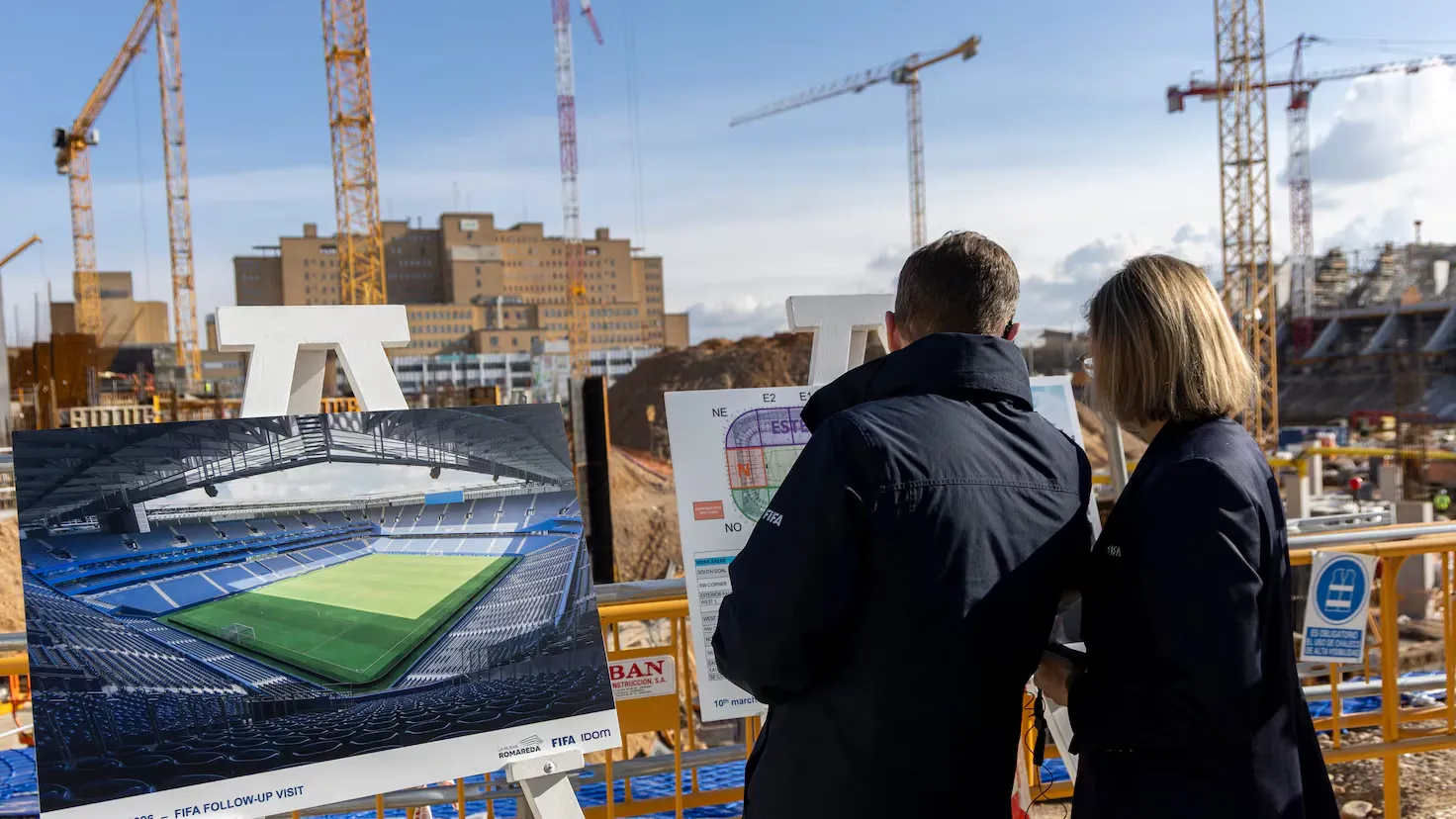
As it stands, Madrid's Bernabéu and Metropolitano stadiums, along with Barcelona's Camp Nou and RCDE Stadium, San Mamés in Bilbao, Anoeta in San Sebastián, La Cartuja in Seville, Gran Canaria, and La Romareda in Zaragoza remain in contention. Notably, the Bernabéu is a frontrunner for the final match, alongside Camp Nou, which is also a strong candidate for the title match. The San Mamés, La Cartuja, and the new La Romareda have all garnered support from various stakeholders, solidifying their positions as likely hosts.
This Monday, FIFA representatives will visit Gran Canaria, where concerns have arisen regarding the financial aspects of the proposed renovations highlighted in the bid documentation. Anoeta has similarly faced challenges, including local opposition. The Metropolitano, while one of Spain's most modern venues, may also encounter issues, albeit different in nature. The stadium has become a prime location for major events and concerts, raising concerns about its availability due to FIFA's demand for control well in advance of the tournament, which could conflict with its ongoing commercial use.
Despite these hurdles, both Spain and the RFEF have expressed confidence in having contingency plans to address any potential setbacks. Following the resolution of issues between the Valencia club and the city council, the Nou Mestalla is highly likely to rejoin the project. Valencia's stadium is anticipated to be one of the most modern in the country, which could be well received by FIFA.
Vigo is also vying for inclusion, particularly in light of A Coruña's withdrawal. Although doubts remain about the sincerity of its intentions, the city is eager to present its proposal, which could fill the void left by A Coruña. The RFEF, however, has expressed reservations regarding whether Vigo can meet FIFA's minimum standards, which could lead to further complications. Yet, the city has not been entirely dismissed, as history has shown that world cup bids often undergo significant changes, much like the current adjustments seen for this summer's event in North America.
Morocco and Portugal have demonstrated a greater sense of unity in their proposals, yet FIFA retains the authority to make any adjustments it deems necessary. Morocco's ambitious plan includes six stadiums, emphasizing infrastructure modernization alongside football promotion, with the Hassan II Stadium in Casablanca, which is still under construction, projected to host the final. Decisions regarding the final hosting arrangements will be made in due course, but they are not currently prioritized.
It has been suggested that FIFA might reduce the number of venues for its partner countries, with Fez in Morocco being identified as a potential drop. However, no official statements have confirmed this possibility as of yet. Portugal's proposal is minimalistic, featuring three major stadiums: Da Luz in Lisbon, José Alvalade also in Lisbon, and Do Dragao in Porto, all of which meet international standards. Nevertheless, the logistical demands of the 2030 World Cup, which is set to begin in South America, will be significant. A reduction in the number of venues could enhance the appeal of the selected locations, minimize environmental impact, and facilitate easier travel between them. The ongoing FIFA inspections will likely yield further clarity about the future of this World Cup bid, which may still experience additional fluctuations.
As reported by as.com.