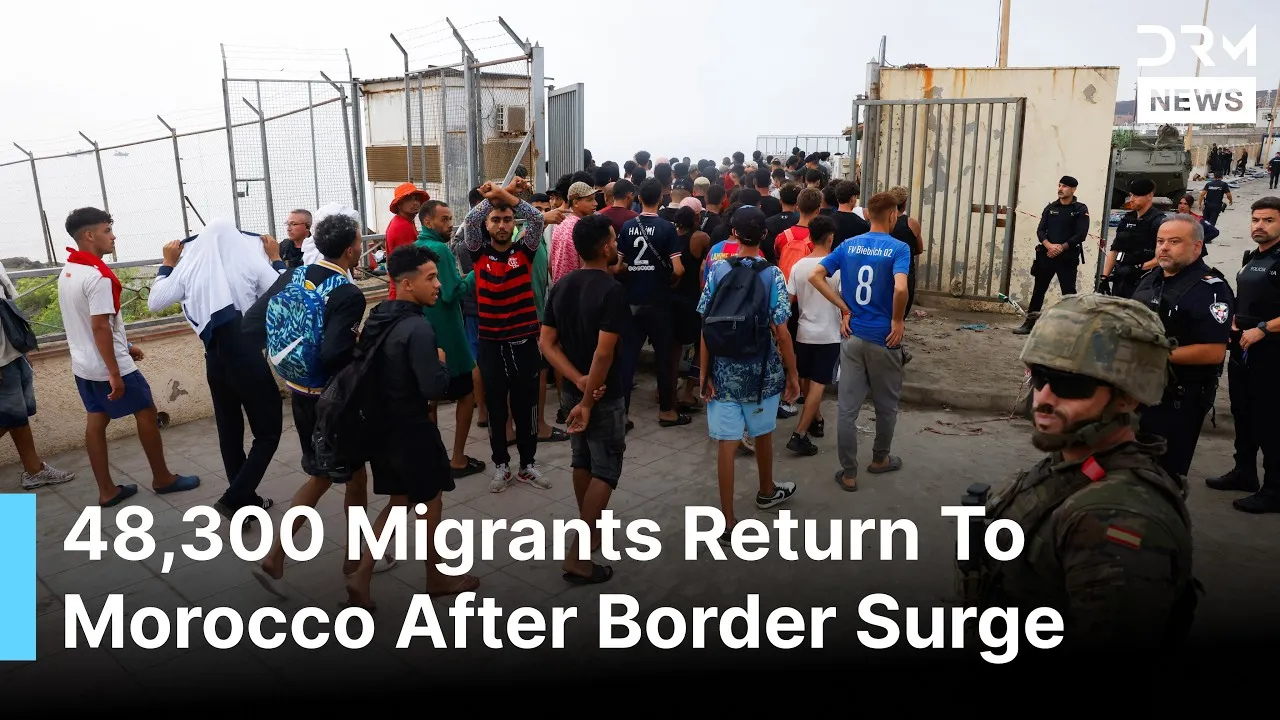

Spain's Ceuta Crisis: A Surge of Migrants and Their Return to Morocco
The recent migrant crisis in Ceuta, a Spanish exclave located on the northern coast of Africa, has escalated dramatically, with reports indicating that approximately 48,300 migrants have returned voluntarily to Morocco following a profound surge of over 50,000 individuals crossing into the territory. This mass migration event has raised significant concerns regarding border control and humanitarian conditions, drawing attention from international media and humanitarian organizations alike. The Spanish authorities have been actively involved, deploying police and military personnel to assist in the organized return of these migrants through the El Tarajal crossing. The situation has been further exacerbated by the discovery of at least 57 bodies on the Spanish side, underscoring the dire human cost associated with this unprecedented influx of individuals seeking refuge or a better life in Europe.
As the crisis unfolded, various narratives have emerged regarding the motivations behind this sudden migration wave. Many of the migrants reportedly faced dire circumstances in their home countries, prompting them to undertake perilous journeys in search of safety and economic opportunities. The Spanish government has stated that the situation is under control, but the ongoing challenges posed by such large-scale migrations continue to evoke mixed reactions from the public and policymakers alike. This incident not only highlights the complexities of migration in the Mediterranean region but also raises critical questions about the responsibilities of European nations in addressing the root causes of such crises.
As reported by youtube.com.