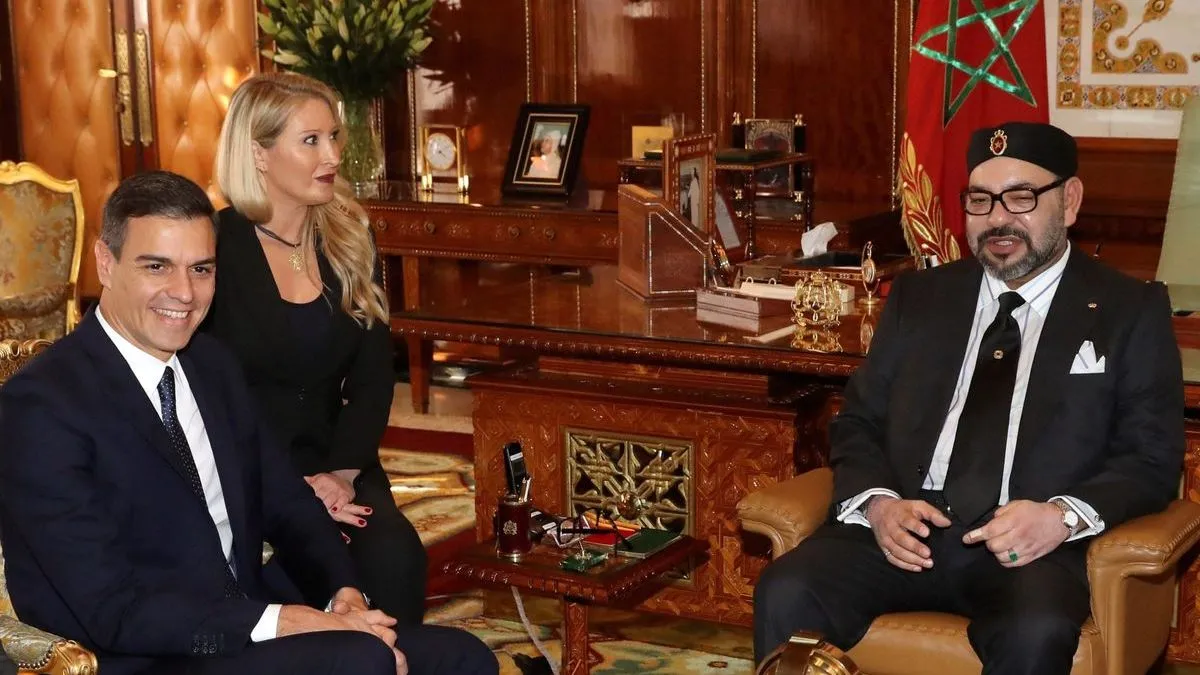

The Tensions in Spain-Morocco Relations
In a recent escalation of diplomatic tensions, Morocco has threatened to sever commercial ties with Spain if political parties like Vox and Sumar continue to advocate for the nation’s exclusion from the organization of the 2030 FIFA World Cup. This development raises critical questions about the implications of such a move on both nations, particularly regarding the balance of trade, investment, and social dynamics. Despite Spain enjoying a slight trade surplus with Morocco, the gap has been narrowing over the years, making it imperative to closely examine the stakes involved in this complex relationship.
Spain has been Morocco's primary commercial partner since 2012, with Morocco serving as Spain's leading trading partner in Africa and a key market outside the European Union. In 2025, Spain's trade surplus with Morocco was estimated at around €1.9 billion. Nevertheless, this seemingly advantageous position for Spain comes with several caveats. Spanish exports predominantly consist of high-value goods, such as machinery, vehicles, and electrical equipment, while imports from Morocco largely consist of low-value products like textiles and agricultural goods. This discrepancy indicates that Spain has viable domestic alternatives for many Moroccan imports, whereas Morocco lacks similar replacements for its exports to Spain.
Investment and Social Costs
Furthermore, Spanish investment in Morocco amounts to approximately €2.5 billion, generating around 25,140 jobs. Spain ranks as the third-largest foreign investor in Morocco, with hundreds of Spanish companies operating in the country. This investment represents a significant commercial and financial pressure point. However, the favorable trade balance is significantly offset by the financial aid provided by Spain to Morocco in various forms, including EU funds and social benefits for Moroccan residents in Spain. This assistance totals hundreds of millions of euros, including direct aid for border control and development cooperation, further complicating the economic landscape.
Additionally, Spain spends an estimated €2.4 billion on social services and benefits for the substantial Moroccan community residing within its borders. With about 1.2 million Moroccans living in Spain, the fiscal impact is notably negative for the Spanish economy. The challenges are compounded by high unemployment rates among Moroccan immigrants, which stand at 27%, significantly above the national average. The persistent issues of drug trafficking and human smuggling from Moroccan territories further strain relations, leading to the question of whether Morocco is effectively combating these crime syndicates.
The current state of affairs suggests that Morocco derives greater benefits from its relationship with Spain than vice versa. With the looming threat of a trade war, Spain must consider whether to sacrifice the future of its businesses in favor of a long-standing, albeit precarious, diplomatic relationship. The strategic implications of maintaining ties with a nation that challenges Spain's sovereignty over territories such as Ceuta and Melilla cannot be overlooked. If Morocco is indeed willing to escalate tensions, Spain should respond decisively.
Ultimately, the relationship between Spain and Morocco is marked by an unsustainable reliance on a system of coercion. To avert greater consequences, Spain must rethink its diplomatic strategy, moving away from a stance of submission toward one that prioritizes its national interests. Whether this involves reevaluating political ties or addressing the undercurrents of influence within Spanish politics remains to be seen. However, the situation necessitates urgent action, as the current trajectory is fraught with risks that could have lasting impacts on both nations.
As reported by elespanol.com.