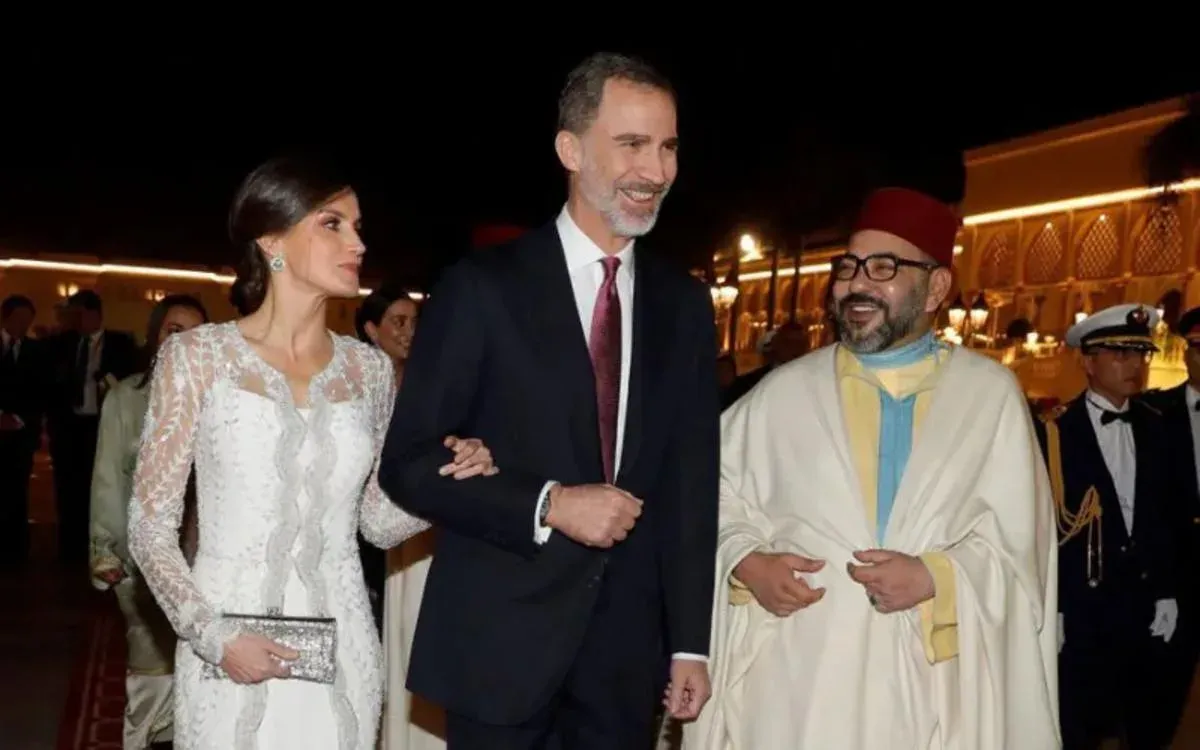

On August 21, 2026, the Spanish government found itself navigating a complex diplomatic landscape amidst the ongoing Ceuta crisis. In a surprising turn of events, officials considered whether King Felipe VI should reach out directly to King Mohammed VI of Morocco to open a direct line of communication. This proposition was initially explored by one of the ministers, who gauged the royal household's thoughts on the matter, yet ultimately, the idea was set aside.
This intriguing detail was brought to light by El País, which confirmed the information through various government sources. Although Prime Minister Pedro Sánchez did not explicitly instruct Felipe VI to make the call, the suggestion was made behind closed doors, reflecting a desire to acknowledge Morocco's cooperation following the influx of individuals crossing into Spain on July 30 and 31.
Despite the intention to foster goodwill through such a gesture, the call never materialized. Reports indicate that the royal household considered the potential repercussions of a direct intervention from Felipe VI, especially given that the crisis had yet to be resolved. As the situation unfolded, Felipe VI remained actively engaged, meeting with key figures such as Ceuta's president, Juan Jesús Vivas, and discussing the matter with Prime Minister Sánchez and the president of Melilla, Juan José Imbroda. Notably absent from these discussions was King Mohammed VI himself.
Future Possibilities for Diplomatic Engagement
However, the door is not entirely closed on the prospect of a future call. The Spanish royal household has indicated that should circumstances render it "useful and reasonable," a call to the Moroccan king could still occur in the coming weeks, contingent upon the Sánchez government's assessment of the timing. This cautious approach reflects the nuanced relationship between the two monarchs—characterized as cordial but less direct than the rapport previously enjoyed by former kings Juan Carlos I and Hassan II.
In stark contrast to their predecessors, Felipe VI and Mohammed VI tend to favor institutional channels for communication, which may complicate more informal diplomatic overtures. Another avenue under consideration is a potential visit by Felipe VI to Ceuta, an intention he has previously expressed. Such a visit, however, hinges on approval from the Spanish government and carries significant diplomatic sensitivities, particularly given the backlash that followed Juan Carlos I's visit in 2007, which ignited a serious diplomatic rift with Morocco.
Thus, Spain currently finds itself at a crossroads, weighing two potential royal gestures that come with their own sets of diplomatic risks. Engaging Felipe VI in conversation with Mohammed VI could serve as a means to ease the ongoing tension, while a visit to Ceuta by the Spanish monarch could provoke irritation in Rabat. As of now, Spain has opted to remain in a state of indecision regarding both options, carefully navigating the delicate intricacies of its international relations.
As reported by bladi.net.