
Spain's Diplomatic Efforts Amidst Migration Challenges
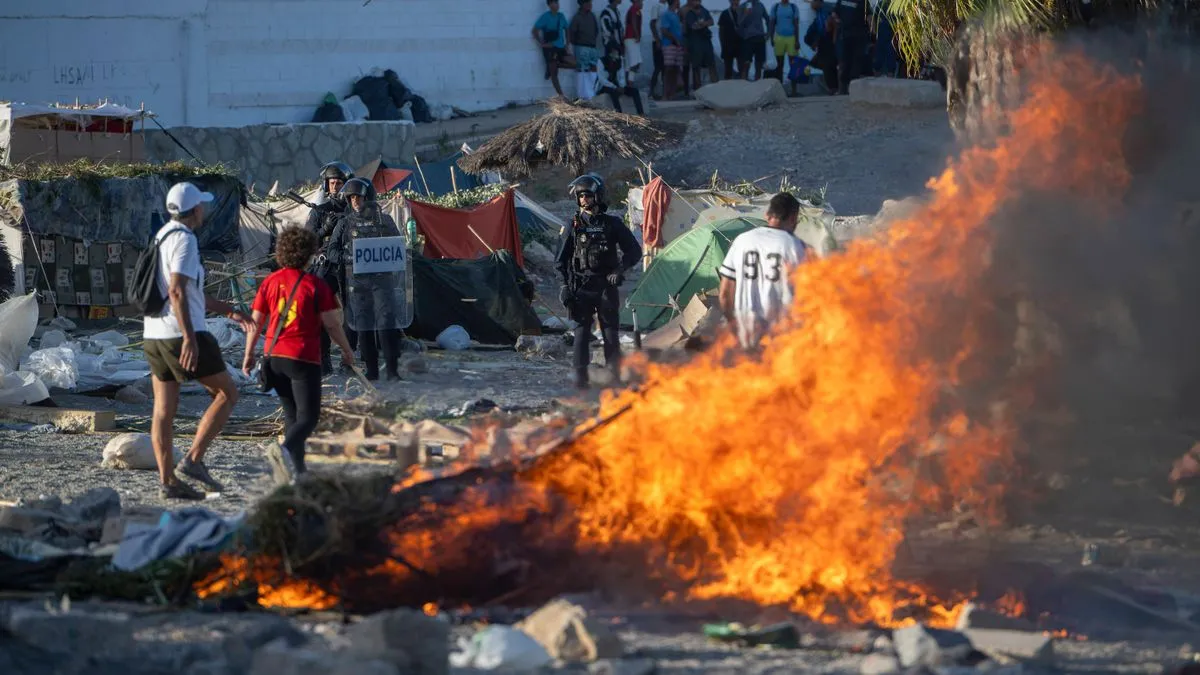
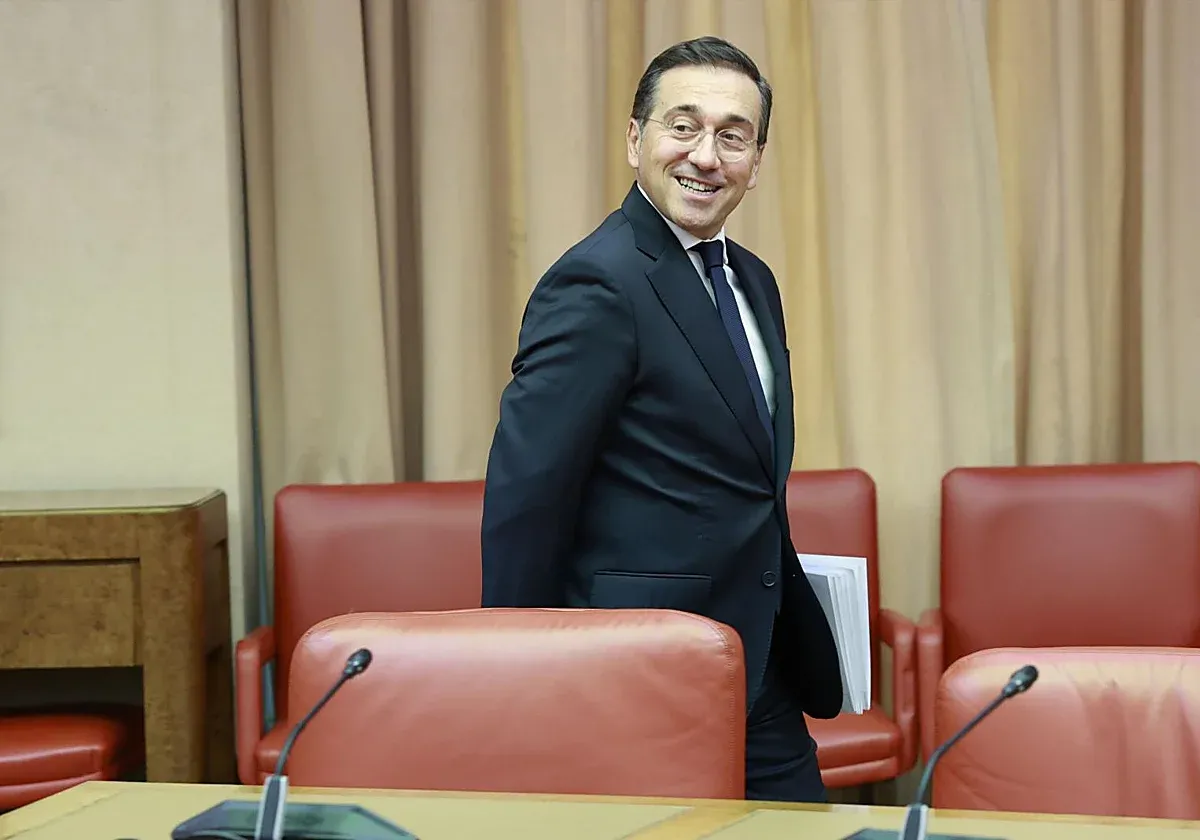
In a recent address, José Manuel Albares, Spain's Minister of Foreign Affairs, European Union, and Cooperation, articulated the government's unwavering diplomatic engagement with Morocco to address the unprecedented migration crisis affecting Ceuta. He underscored the importance of a continuous and essential diplomatic dialogue that occurs almost daily, emphasizing that discretion should not be mistaken for a lack of resolve. Albares revealed that through ongoing discussions with his Moroccan counterpart, approximately 90% of the migrants who entered irregularly were returned within a mere 48 hours. He attributed the surge in migration to a misunderstanding of a Supreme Court ruling, firmly stating that there have been, are, and will be no discussions regarding the sovereignty of Ceuta and Melilla, despite recent claims from the Moroccan government.
The minister noted that the massive influx of 70,000 to 80,000 individuals was not due to a spontaneous movement or a lapse in Morocco's responsibilities, but rather a complex disinformation campaign triggered by a Supreme Court decision that prohibits the immediate return of individuals who reach Ceuta by swimming. Albares highlighted that social media platforms have served as the combustible channel for spreading falsehoods on a global scale, citing a viral video shared on July 28 featuring two young women swimming across, which garnered over 30 million views in Morocco, misleading many into believing that entry into Spain was unrestricted and that they would not face deportation.
The peak of this disinformation campaign occurred on July 30, when 60% of Arabic-language posts were disseminated by accounts with hundreds of thousands of followers, perpetuating the false notion that the border was open. Albares described this as a 'cognitive war' fueled by a 'reactionary international' and habitual purveyors of hate, aimed at fracturing the European Union. This situation was further exacerbated by the existing inequalities between Europe and Africa. In response to the crisis, Spain initiated urgent diplomatic mobilization, seeking reinforcement of Moroccan border measures, the return of individuals who entered illegally, and the prevention of further attempts to cross the border. Meetings with major tech companies such as Meta and TikTok were also held to close down incitement groups, which the minister believes played a pivotal role in thwarting a planned mass entry on August 15.
Commitment to Sovereignty of Ceuta and Melilla
Throughout his remarks, Albares reiterated that Ceuta and Melilla represent an 'absolute priority' for the Spanish government, embodying an indivisible identity of both the state and the European Union. He passionately asserted, 'They are Spain, and they are the European Union, but above all, the people of Ceuta and Melilla are Spanish and European not just by law, but by spirit.' The Foreign Ministry has formally rejected all statements from Morocco questioning the sovereignty of these cities through every available diplomatic channel. Albares firmly stated, 'There have been, are, and will be no conversations' regarding their sovereignty.
In response to criticisms from the opposition, Albares clarified that he is the Minister of Foreign Affairs for Spain, not Morocco, and that he will engage with whoever is necessary for the benefit of the Spanish people. He pointed out that the summons of ambassadors is rarely made public, but stressed that Spain's firm stance on the integrity and sovereignty of Ceuta and Melilla has been communicated clearly. To counter the attacks on the government's management, he highlighted that President Pedro Sánchez has made four official visits to Ceuta and Melilla, and notably, he himself is the first Foreign Minister in history to visit the city of Ceuta officially.
Additionally, during his appearance before Congress, Albares criticized Italy's actions and decisions throughout this migration crisis, labeling the imposition of border controls on travelers from Spain as 'unacceptable'. He attributed this measure to purely 'internal electoral political motives,' recalling that the dual-filter system in place in Ceuta and Melilla already effectively safeguards the Schengen area. He contrasted Italy's retreat with Spain's historically demonstrated solidarity towards its European partners, reminding that in 2023, the Spanish government supported its counterparts without hesitation in response to the migration pressures faced in Lampedusa, warning that 'there will be no effective solidarity without unity among all.'
As reported by elcorreo.com.