
Contrasting Approaches to Migration in Spain
The contrasting paths taken by the European Commission and the Spanish government regarding irregular migration highlight the complex nature of this issue. While the EU Commission advocates for the swift return of irregular migrants from Ceuta to Morocco, explicitly including unaccompanied minors, the Spanish government is preparing to facilitate the opposite: the transfer of approximately 500 particularly vulnerable girls from the North African exclave to the Spanish mainland. This plan starkly contrasts with the EU's repatriation agenda, signaling a significant policy shift within Prime Minister Pedro Sánchez's administration. Just days earlier, Interior Minister Fernando Grande-Marlaska had asserted that irregular migrants would neither be allowed to remain in Ceuta nor reach the Iberian Peninsula.
The Ministry of Youth and Children informed the EFE news agency that they are working on an emergency plan to quickly transfer these girls to the mainland. Integration and Migration Minister Elma Saiz emphasized on Spanish radio that these girls, who are alone and at heightened risk, have needs that must be met according to the best interests of the child, in compliance with existing laws.
Plans for the Safe Accommodation of Vulnerable Minors
According to reports from Cadena SER, the girls will initially be housed in six protected locations in Ceuta, including several halls, two residential buildings, and a former wedding venue, before being gradually relocated to the mainland. Madrid is exploring various options for their accommodation, including the established mechanism for the mandatory distribution of unaccompanied minors across Spanish regions, as well as potential placements in foster families. Another option being considered is allowing child protection organizations to care for particularly at-risk girls while keeping guardianship in Ceuta temporarily, without immediately transferring it to the receiving regions.
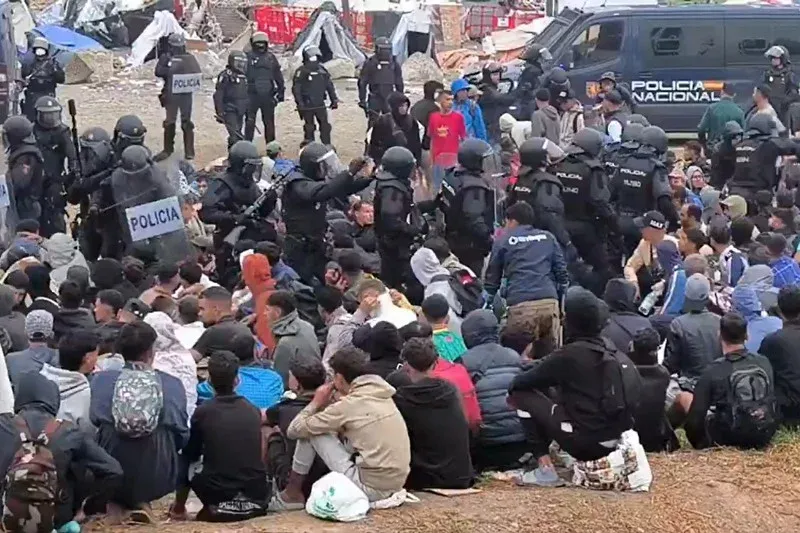
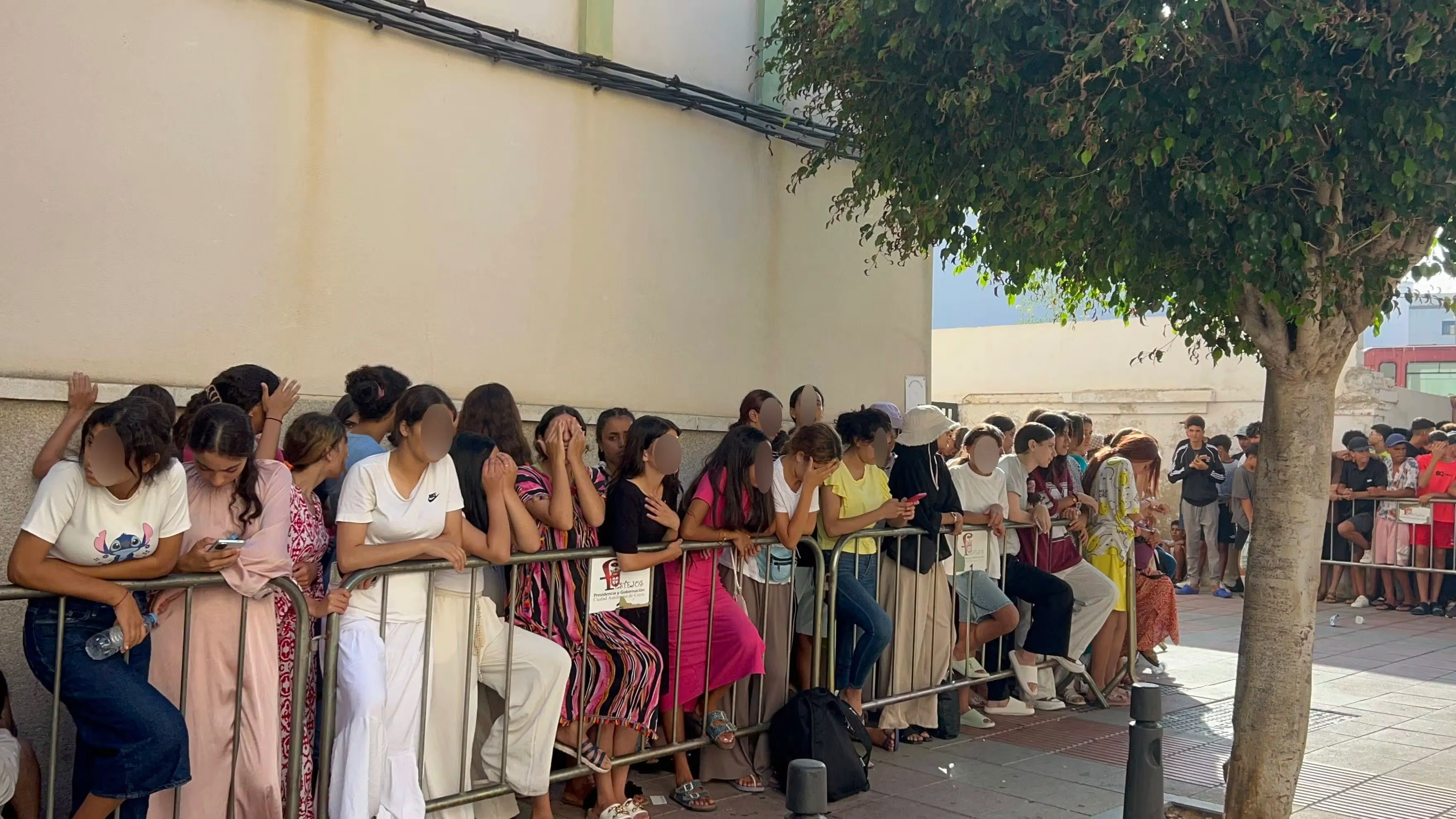
These vulnerable minors are part of the larger group of around 70,000 people who crossed from Morocco to Ceuta on July 30 and 31. While many have since returned, several thousand migrants still remain in the Spanish exclave. As of August 18, the Spanish National Police had identified 2,168 minors and placed them under the care of local authorities. Many of these children and adolescents faced dire conditions, having sometimes slept on streets, playgrounds, or in makeshift shelters. The accommodation system in Ceuta, with a population of approximately 85,000, is severely overstretched, with hundreds of minors waiting days for registration and access to safe housing.
Unaccompanied girls are particularly at risk, often living without secure accommodations and lacking access to separate sanitation facilities. Save the Children has raised alarms about the threats of sexual violence, exploitation, and human trafficking that these minors face. Since the influx, at least 15 allegations of sexual assault have been reported in Ceuta, with many victims being minors. The National Police confirmed to the Spanish fact-checking portal Maldita that they had received eleven reports involving underage Moroccan girls by August 18, with several cases already under judicial investigation and two suspects in custody.
In a stark contrast to the Spanish government's current approach, the EU Commission had articulated a different priority just before the announcement of the Spanish plan. Commission spokesperson Markus Lammert stated that the immediate focus should be on ensuring that Spanish and Moroccan authorities maintain control over the situation and guarantee the swift return of those illegally residing in Ceuta. He explicitly noted that EU return law applies to unaccompanied minors, with Morocco previously expressing willingness to assist in the identification and return of Moroccan children.
However, the Commission does not advocate for the blanket deportation of all minors, as its position pertains specifically to individuals without legal residency. Children, in particular, are subject to special protection regulations. According to Article 10 of the European Return Directive, each case must be assessed individually, ensuring that the child is received by family, a guardian, or an appropriate institution in Morocco before any return, with the child's best interests being a paramount consideration.
Spain has been reminded of these protective obligations by the courts, as evidenced in 2021 when authorities returned unaccompanied minors from Ceuta to Morocco without fully conducting the required individual assessments. In 2024, the Supreme Court confirmed that these returns were unlawful, noting that the agreement between Spain and Morocco does not exempt authorities from hearing each minor's case and examining their personal and family situations. Therefore, the planned transfer to the mainland does not evidently violate EU law, but politically, it positions Madrid against the Commission's articulated repatriation policy and the recent statements made by its own Interior Minister. Consequently, the earlier promise that irregular migrants would not reach the Spanish mainland now presents an exception for around 500 particularly vulnerable girls.
As reported by berliner-zeitung.de.