
Spain's Firm Support for the Autonomy Plan
Spain has taken a definitive and assertive position in endorsing the autonomy plan under Moroccan sovereignty, viewing it as the ultimate resolution to the long-standing Sahara conflict. This stance is not a fleeting decision but rather arises from a profound historical and geopolitical comprehension of the region, a connection that Spain has maintained for many decades. The Spanish government perceives this initiative as the most serious and pragmatic framework for advancing towards a stable and enduring solution, crucial in a region marked by discord.
The foundation of Spain's support lies in the belief that the autonomy plan represents the only realistic avenue for resolving a conflict that has been unnecessarily prolonged. By advocating for autonomy under Moroccan sovereignty, Spain emphasizes the importance of respecting territorial integrity while acknowledging the unique regional characteristics of the Sahara. This model has progressively garnered international acceptance, indicating a shift in perspectives regarding potential solutions to the conflict.
Significance of UN Security Council Resolution 2797
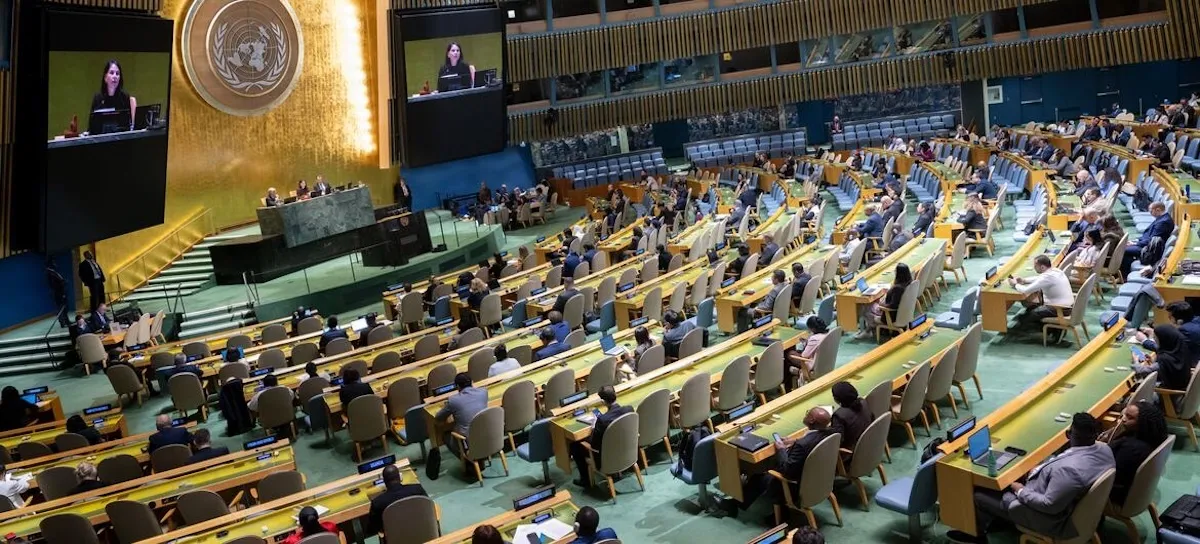
A pivotal element contributing to this evolving situation is the adoption of Resolution 2797 by the United Nations Security Council. This resolution marks a significant turning point in the conflict by establishing the autonomy plan as the sole legitimate foundation for future negotiations. Reflecting the endorsement of over two-thirds of UN member states for Morocco's proposed model, the resolution underscores its seriousness and capacity to stabilize the region. This consensus not only legitimizes the initiative on an international level but also challenges the stances that perpetuate the dispute and bolster the territory's separatist group.
In light of Spain's strategic shift, a notable trend has emerged within the international community towards recognizing the autonomy plan under Moroccan sovereignty. Nations such as Mali, Colombia, and Bolivia have withdrawn their support for the separatist movement, openly aligning themselves with the Moroccan initiative. This trend transcends European borders, establishing itself as a global phenomenon indicative of a new political reality. The increasing international acceptance suggests that the autonomy option is increasingly regarded as the only viable, practical, and legitimate solution for a region yearning for stability after years of uncertainty.
The ongoing support for the autonomy plan carries substantial implications for both regional and global politics. The enduring presence of the separatist group, alongside its supporting nation, is met with a scenario where the international community is pressing for a change in approach based on factual realities and the imperative for stability. In this context, it is essential that the UN Fourth Committee fully acknowledges this emerging reality and lends robust support to the proposed changes. The human and political ramifications of prolonging this conflict are far-reaching, affecting not only current generations but also the future populace of the Sahara, who require effective, consensus-driven solutions to ensure their development and security.
Spain's diplomatic initiative, bolstered by international backing, fosters a conducive environment for a compromise resolution rooted in realism. Consequently, this moment is pivotal for all parties involved to transcend outdated positions and contribute to regional stability by embracing the autonomy plan under Moroccan sovereignty.
As reported by atalayar.com.