The ongoing Ceuta crisis unveils a troubling reality that the Spanish socialist government seems reluctant to confront: Spain is paralyzed by fear of Morocco. This situation is underscored by Spain's understanding that Rabat has mastered the art of maintaining a state of constant tension, as evidenced by its systematic hostility towards Algeria. The Spanish government is acutely aware of the various pressure points that Morocco holds, which include the control of migration flows, counter-terrorism cooperation, geographical proximity, and persistent diplomatic pressure surrounding the territories of Ceuta and Melilla.
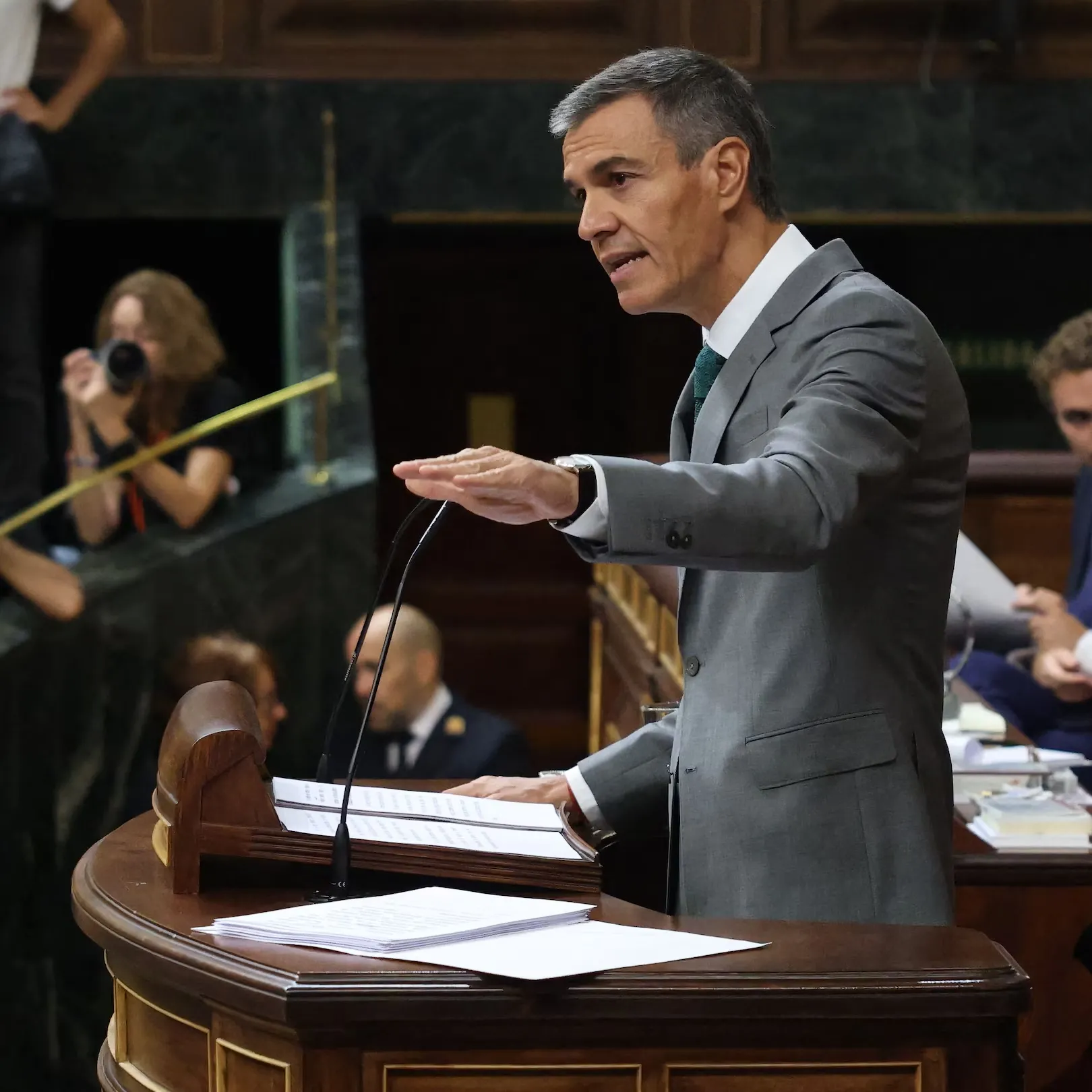
In light of the events of 2021, a disquieting truth emerged; it only takes a single gesture from Rabat to trigger a rush of thousands towards the border, revealing Spain’s vulnerability and impotence in the face of such a crisis. This prevailing fear contributes significantly to the cautious timidity displayed by Prime Minister Pedro Sánchez, who refrains from making any direct accusations against Rabat, despite the substantial evidence available that suggests otherwise. A report from the Policía Nacional highlighted a premeditated operation characterized by 'permissiveness' from Moroccan forces and 'active guidance of migrants by Moroccan agents in both uniform and civilian clothing.'
Madrid's dilemma has become glaringly apparent; acknowledging Moroccan involvement could lead to a rupture in relations with a belligerent neighbor that holds several critical leverage points, including control over migration flows, drug trafficking routes, and a portion of the security cooperation essential to combating terrorism in Spain. Conversely, remaining silent allows for the perception that Rabat can, at any moment, manipulate migration routes, facilitate drug shipments to Spanish shores, or relax surveillance of radicalized individuals in transit. Ultimately, this silence conveys a sense of Madrid's submission to the disruptive capabilities of Morocco.
Prime Minister Sánchez seems to prefer political evasiveness, artificially separating well-established facts from their purported political interpretations. This approach is nothing more than a political balancing act that fails to address the core issues at hand. In reality, behind this façade of diplomatic evasion lies a bitter truth: Spain is so fearful of potential Moroccan reprisals—impacting its borders, security, and internal tranquility—that it opts to exonerate Rabat rather than confront it directly.
This posture of weakness is likely to embolden Rabat, leading it to intensify its demands regarding the two enclaves and other Spanish territories. Since Madrid's shift in stance on the Western Sahara issue, Morocco has no compelling reason to show the same restraint towards Spain as it once did. Rabat has achieved a significant diplomatic victory by leveraging Spain's unique status in this matter. Despite Spain's refusal to acknowledge its administrative authority, international law still recognizes Spain as the administering power of Western Sahara until the Sahrawi people exercise their right to self-determination. Thus, this political concession from Madrid has fortified Rabat's position, without resolving outstanding disputes between the two nations.
The current situation in Ceuta gains further significance when viewed in context, particularly following the granting of Spanish nationality to Sahrawis present in the territory prior to 1975, as well as the successful visit by Pedro Sánchez to Algiers. This suggests that Rabat is now aiming to preempt any forthcoming Spanish government, especially if it leans towards the right. The message is unequivocal: Madrid must think twice before adopting any policies or stances that could provoke Moroccan ire.
As reported by tsa-algerie.com.