
Recognition of an Unprecedented Migrant Influx
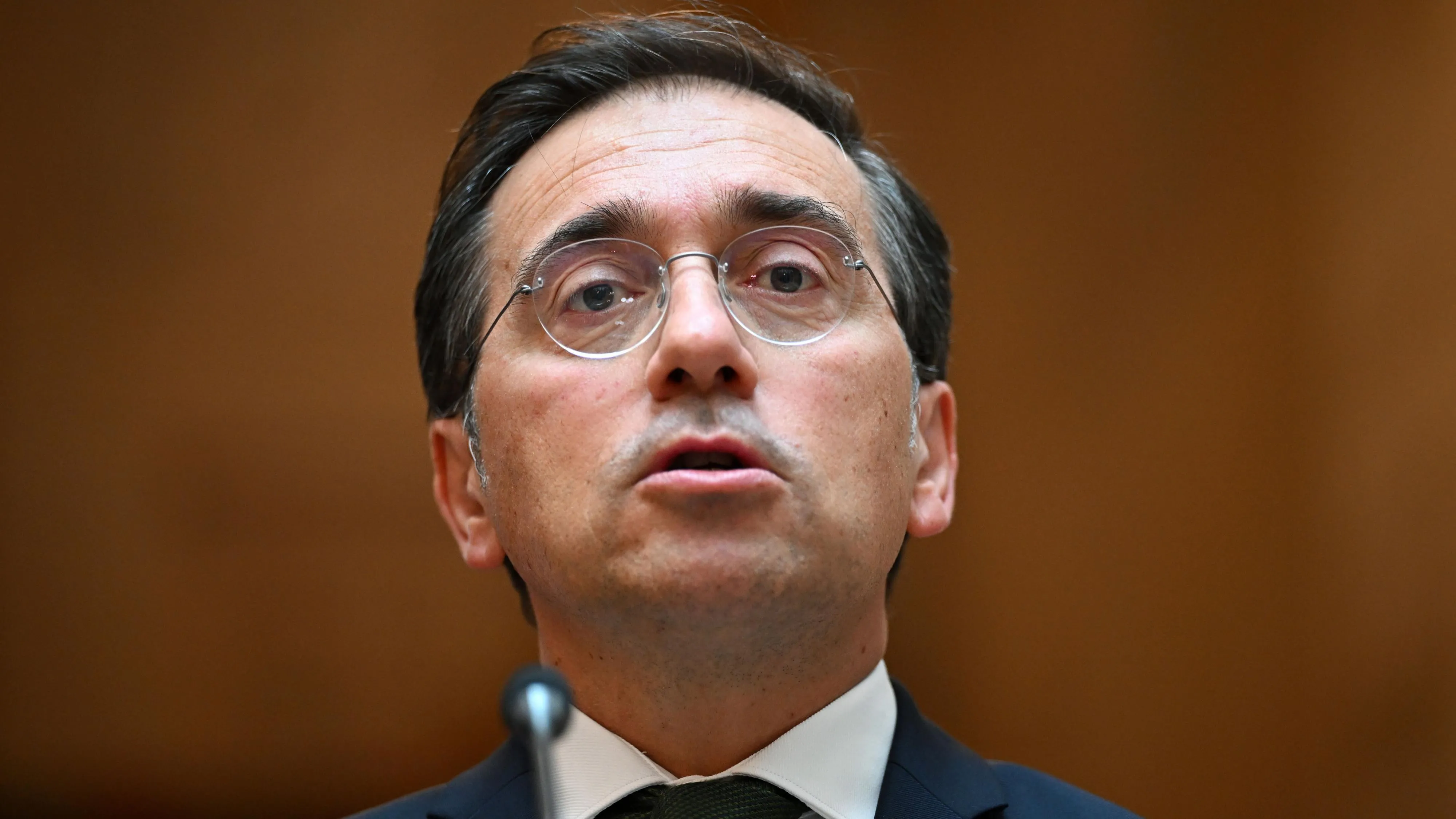
In a significant statement on Monday, Spain's Foreign Minister, José Manuel Albares, acknowledged the extraordinary situation surrounding the recent surge of migrants in Ceuta, calling it a "very unusual" occurrence. He emphasized that from the outset, Morocco extended its cooperation to manage this influx, particularly in facilitating the immediate return of those who crossed the border irregularly. During an interview on the program La Hora de la 1, Albares revealed that the vast majority of the approximately 50,000 individuals who arrived in Ceuta from Morocco last Thursday and Friday have already returned, with Morocco continuing to collaborate to ensure that every last person is repatriated.
The minister described the unprecedented nature of the events in Ceuta, noting the swift and efficient process of returning thousands of migrants within just 48 hours, thanks to Morocco's full cooperation. He stated, "I maintained contact from the very first moment with my Moroccan counterpart and the Moroccan authorities, including the Minister of the Interior. They showed a willingness from the start to mobilize police resources to help stem this migratory flow." This highlights the importance of international cooperation in managing migration challenges effectively.
Challenges from Disinformation and Political Reactions
Albares also addressed the unusual activity on social media, which he claimed distorted the Supreme Court's ruling from early July regarding the prohibition of 'hot returns' of migrants arriving by water. He criticized what he termed a "synchronization of the reactionary international" that quickly amplified the crisis, spreading falsehoods about Schengen's integrity and Spain's actions. He pointed out that some states and governments, including Italy, failed to adequately respond to the crisis, calling for unity among political forces in Spain and across Europe regarding the status of Ceuta and Melilla as integral parts of Spain.
He argued that these cities represent the only land border between the European Union and Africa, necessitating a unique approach compared to other European border cities. The minister insisted on the need for Brussels to recognize this specificity, especially as Spain prepares to address these issues in an upcoming meeting of interior ministers.
In the context of the ongoing discourse, Albares reiterated that the "Spanishness" of Ceuta and Melilla is indisputable, asserting, "They are as Spanish as Valladolid and Santiago de Compostela." Morocco has attributed the crisis to social media and trafficking networks, estimating that around 40,000 migrants were involved.
Regarding the role of intelligence services, Albares stated that all ministries and diplomatic channels have been working diligently to manage the situation. He praised the efforts of law enforcement and military personnel that led to this unprecedented outcome, confirming that their actions would be clearly communicated in Brussels.
Looking ahead, he mentioned that three key measures are already in place to enhance border management, including the installation of a pneumatic barrier to facilitate border rejections and efforts to monitor social media for misinformation. He concluded by affirming that "Ceuta is returning to normalcy, and every last person who entered irregularly will return to Morocco with Moroccan collaboration." As reported by rtve.es.