
Concerns Arise Over Co-Hosting with Morocco
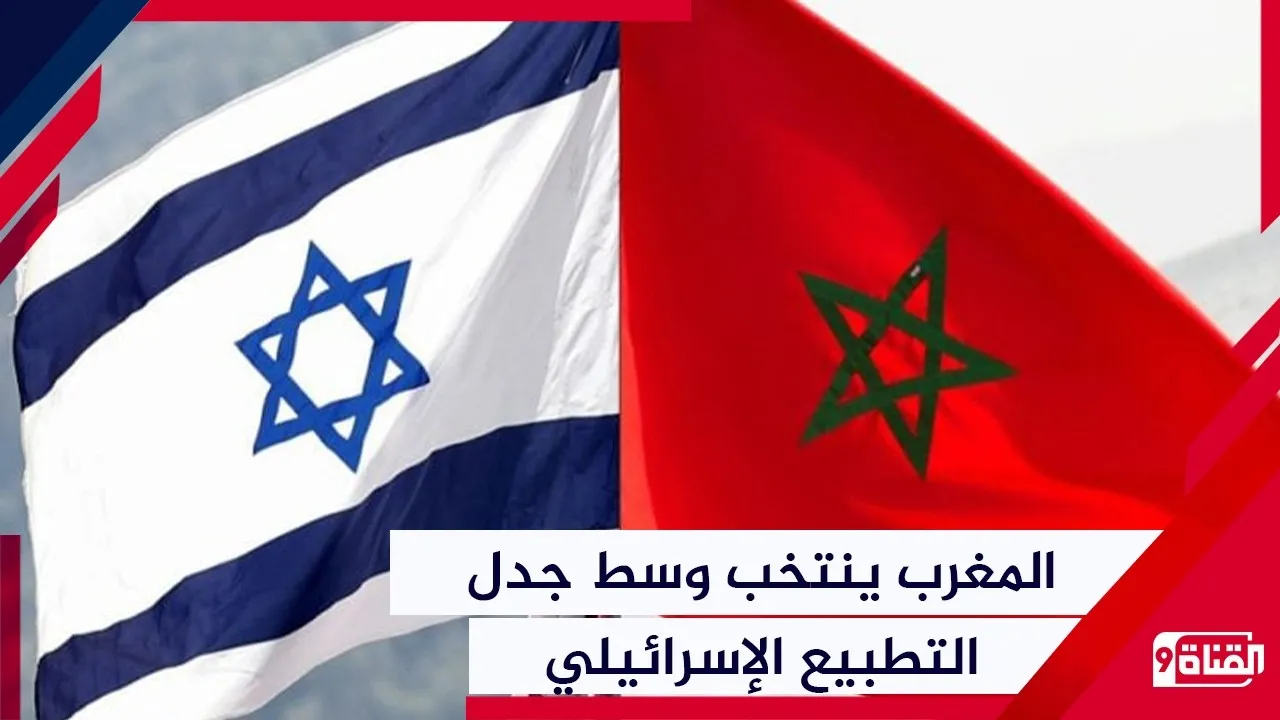
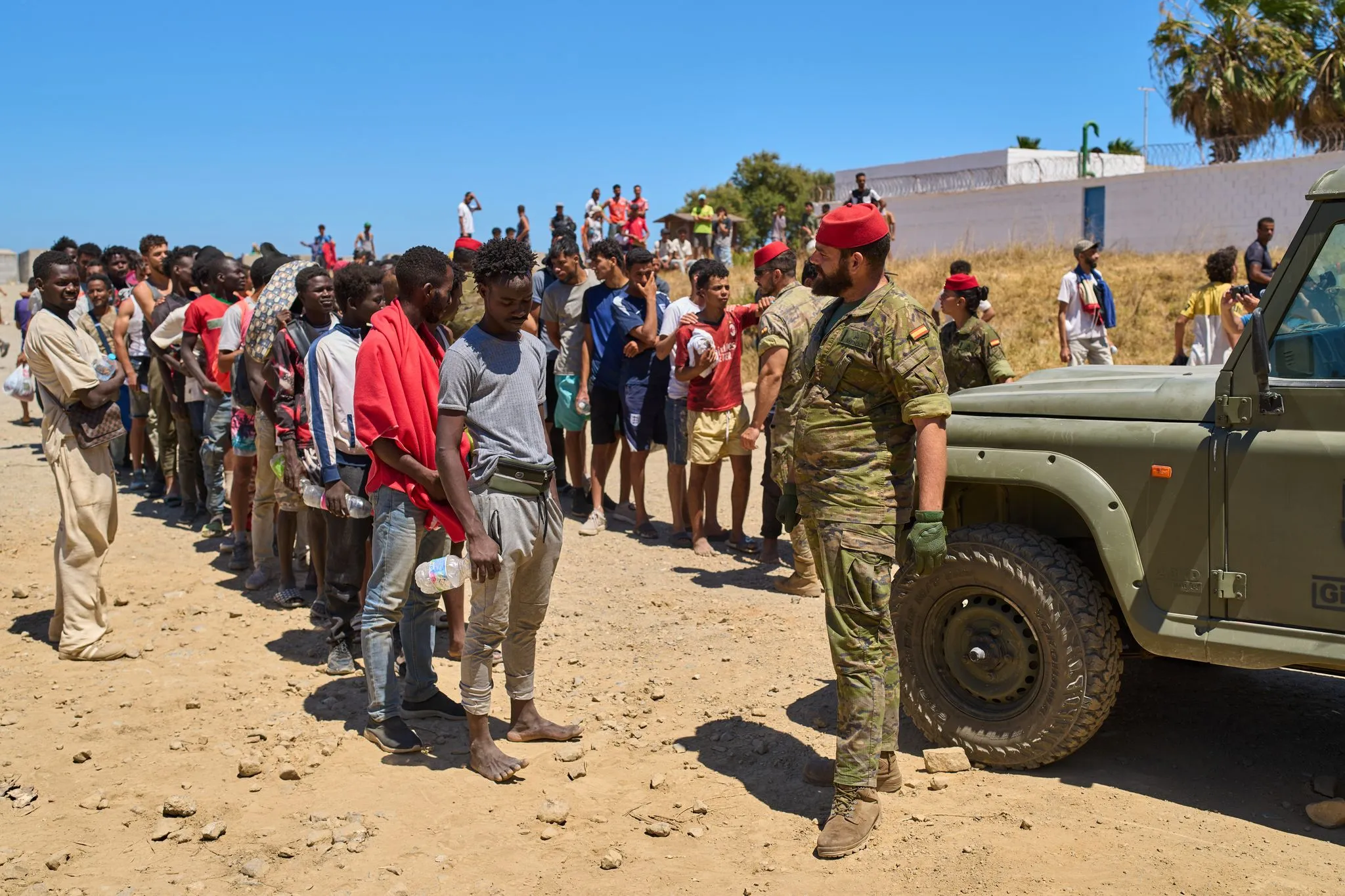
In a significant political development, the junior partner of Spain's government, the left-wing party Sumar, has urged a reevaluation of Spain's plan to co-host the 2030 FIFA World Cup alongside Morocco and Portugal. This call comes in the wake of a migration crisis in Ceuta, where thousands of individuals crossed the Moroccan border into the Spanish enclave, creating a humanitarian situation that has drawn international attention. The events of the past week saw tens of thousands surge into Ceuta, prompting widespread discussions about the implications of this crisis on Spain's relationship with Morocco and its responsibilities as a co-host of the prestigious tournament.
On August 2, 2026, the situation escalated as the influx of migrants became a pressing issue. In response, Sumar presented a motion in the Spanish Parliament, requesting that the sports authorities reconsider their joint hosting plans. Although Sumar holds a modest 26 seats in the 350-member legislature, their influence is amplified due to their ministerial roles within the coalition government led by Prime Minister Pedro Sánchez. The motion, while non-binding, aims to spark further dialogue and potentially gain traction among other parliamentary factions, especially smaller left-leaning parties.
Political Pressures and Human Rights Concerns
Prime Minister Sánchez has publicly defended the Moroccan government's handling of the crisis, noting their swift actions to facilitate the return of nearly all 72,000 migrants who entered Ceuta. Despite this, there remains tension, as Spain's Defense Minister and various opposition voices have called for greater transparency regarding Morocco's response to the crisis. Reports indicate that over 80 individuals tragically lost their lives attempting to cross the border, raising urgent questions about human rights and the political motivations behind migration flows.
Nahuel González, a member of the Spanish Parliament and a proponent of Sumar's motion, has accused the Moroccan monarchy of exploiting the situation for political leverage, stating that the Moroccan government does not respect human rights. This sentiment echoes among some Portuguese lawmakers, with a smaller party in Portugal also expressing concerns about the co-hosting arrangement and labeling it "unsustainable" in light of recent events.
The 2030 World Cup, which is set to be co-hosted by Spain, Morocco, and Portugal, represents a historic opportunity, marking 100 years since Uruguay hosted the inaugural tournament in 1930. However, the recent crisis has cast a shadow over the preparations, prompting calls for a reassessment of the partnership with Morocco. As discussions continue, the focus remains on ensuring that human rights are prioritized within the context of international sporting events.
As reported by manisteenews.com.