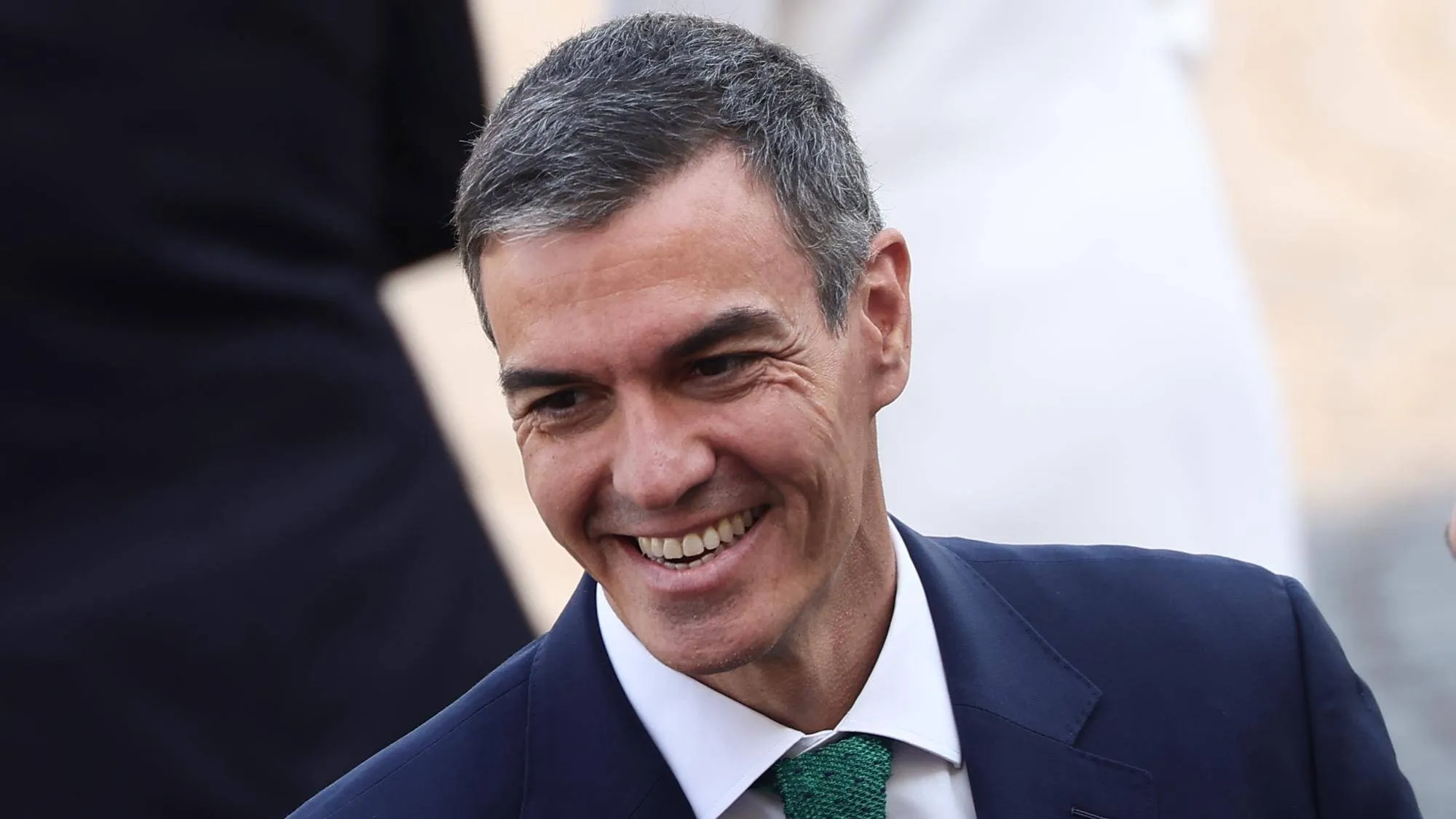

Spain's Migration Crisis Escalates in Ceuta
The Spanish Prime Minister, Pedro Sánchez, has recently made headlines by announcing a forthcoming visit from King Felipe VI to Ceuta, an autonomous Spanish city located on the northern coast of Africa. This announcement comes amid growing criticism regarding the government's handling of a severe migration crisis, which has seen the region overwhelmed by an influx of thousands of migrants. On July 31, approximately 72,000 migrants entered Ceuta illegally, with reports indicating that around 5,000 of these individuals are still present in the area, as per the Ministry of the Interior. Local authorities claim that the actual number may be as high as 9,000. The situation has deteriorated significantly, resulting in violent clashes between local residents and migrants, who have taken over public spaces such as beaches and parks, showing little willingness to return to Morocco.
The Political Ramifications and Future Steps
In light of these challenges, Sánchez expressed that there is sufficient justification for the King’s visit to Ceuta, emphasizing that this decision was made in close consultation with King Felipe VI himself. The visit is anticipated to address not only the ongoing crisis but also the broader implications of the migration challenges facing Spain and Europe at large. Additionally, the government is set to approve an extraordinary aid package worth 168 million euros to support the enclave and manage the current situation effectively. As tensions rise and the humanitarian crisis continues to unfold, the involvement of the monarchy could play a crucial role in shaping public perception and governmental action moving forward.
As reported by letemps.ch.