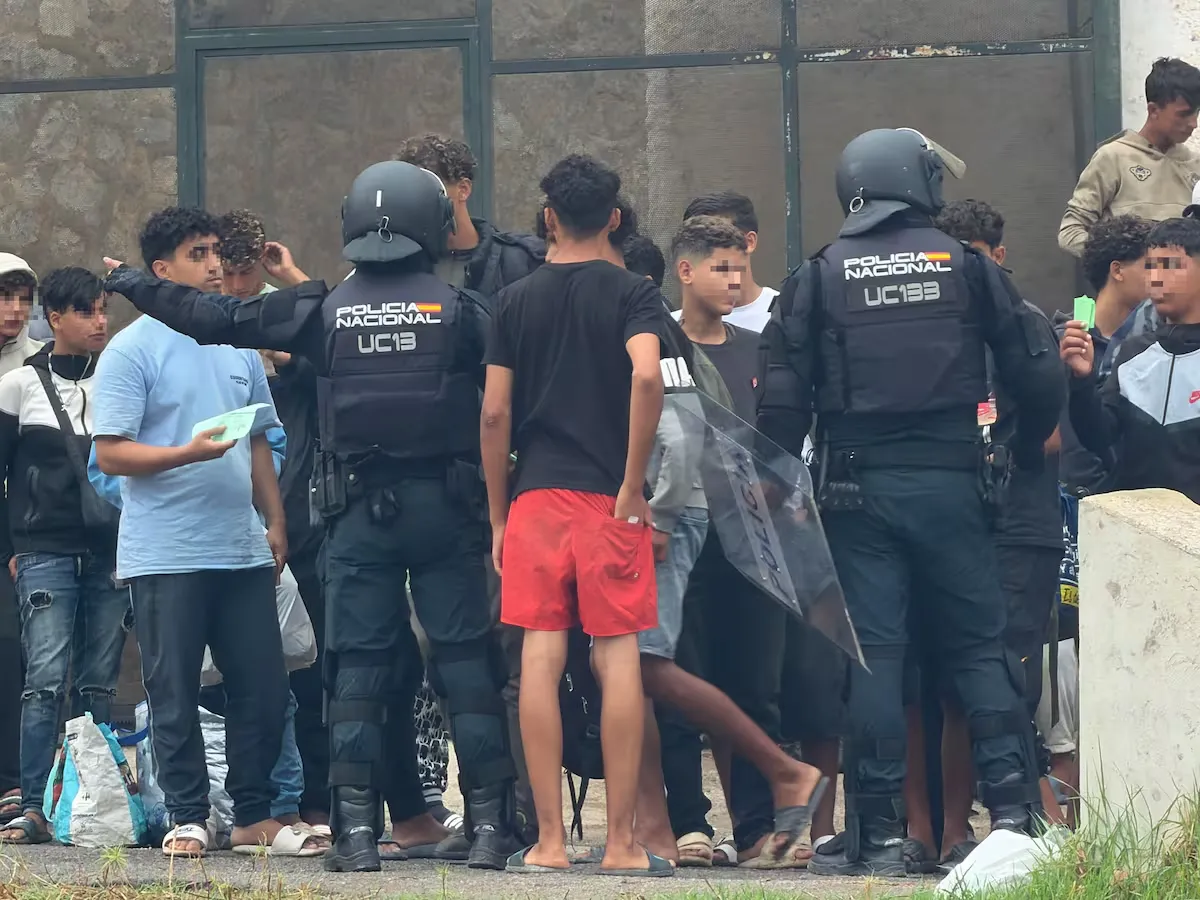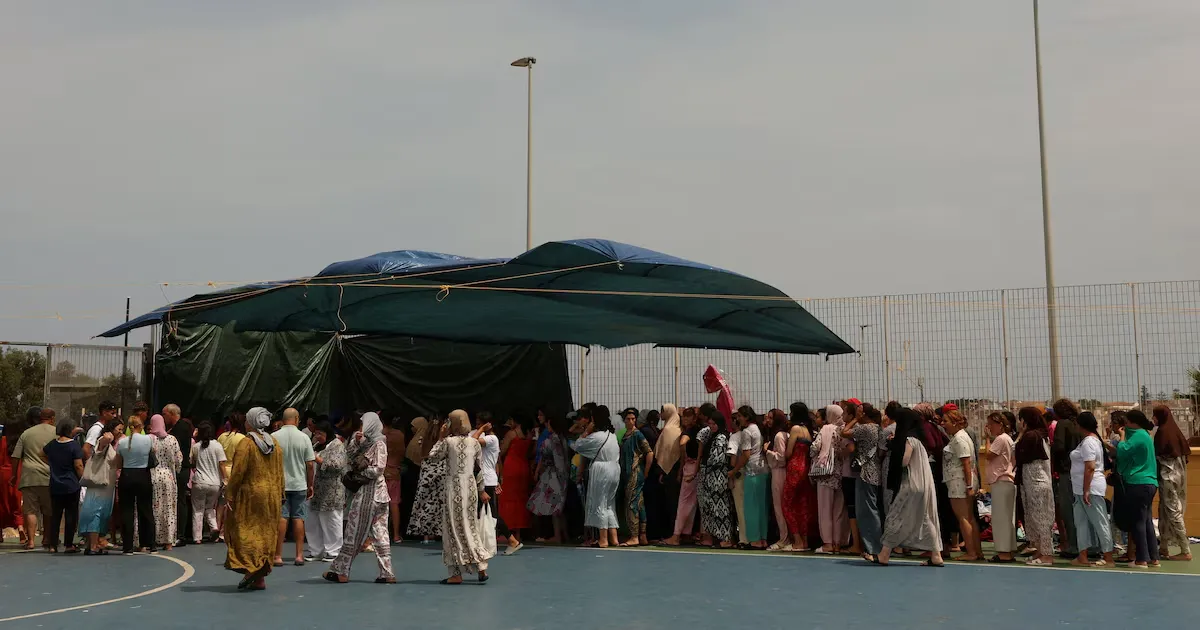

In late July, approximately 70,000 individuals crossed into Ceuta, a Spanish enclave on the northern coast of Africa. While the majority of these migrants were sent back to Morocco, several hundred unaccompanied minors are now left to fend for themselves within the enclave. In response to this dire situation, the Spanish government has reversed its earlier decision made on August 13 and announced that it will permit the transfer of 500 minor girls from Ceuta to the mainland. This move aligns with Spanish law, which mandates that the state must protect unaccompanied minors until they reach adulthood.
Brussels Endorses the Return of Migrants to Morocco
The announcement has provoked strong reactions from Brussels. Markus Lammert, the spokesperson for the European Commission on Internal Affairs, stated during a press conference that "all irregular migrants" still present in Ceuta must be returned to Morocco. He further clarified to the Guardian that this directive applies to unaccompanied minors as well. Lammert emphasized that these returns are in compliance with EU legislation, governed by the "return directive" and soon to be affected by the EU's return regulation. The conflicting messages stem partly from the fact that the latest European migration pact has yet to be integrated into Spanish law, meaning that the existing Spanish legislation concerning the treatment of unaccompanied minors is still in effect.
Pedro Sanchez Faces Pressure from the Spanish Right
Prime Minister Pedro Sanchez is not only contending with the European Union but is also facing backlash from the right-wing opposition within Spain. The Popular Party (PP) has dismissed the government's plan, asserting that the best place for children is with their families. Juan Bravo, the PP's deputy spokesperson for finance, questioned, "If Morocco has requested the return of the children and Europe believes that all irregular migrants, children included, must be sent back, what more does the government need?" This sentiment reflects a broader dissatisfaction with Sanchez’s approach to the migrant crisis. Furthermore, Sanchez is encountering reluctance from several regional governors, particularly those from areas jointly governed by the PP and the far-right Vox party, who are hesitant to accommodate some of these minors. The central government has criticized this opposition as a lack of solidarity. To mitigate conflicts, the Ministry of Youth, in coordination with the Ceuta government, is developing an emergency plan where NGOs and child protection agencies will take responsibility for the most vulnerable children without transferring guardianship to regional Spanish governments.
Elma Saiz, Spain's Minister of Inclusion, Social Security, and Migration, confirmed on Wednesday during an interview on "Las Mañanas" on RNE that the situation is being addressed in Ceuta with the Department of Childhood and autonomous communities. She refrained from providing further details, emphasizing the need to "protect the best interests of the minor." Saiz highlighted that these are girls who are alone and stressed the importance of preventing instances of sexual violence, referencing the numerous reported assaults that have recently come to light and are currently under judicial investigation. The minister also reaffirmed the necessity of adhering to the law and indicated that the government has allocated €25 million to Ceuta to address this crisis. Rubén Pérez Correa, the Secretary of State for Childhood, has been in Ceuta since Sunday to help resolve the situation. As of August 18, the Spanish national police have identified and handed over 2,168 minors to the Ceuta government.
As reported by lexpress.fr.