
Political Tensions Surrounding Ceuta's Migrant Crisis
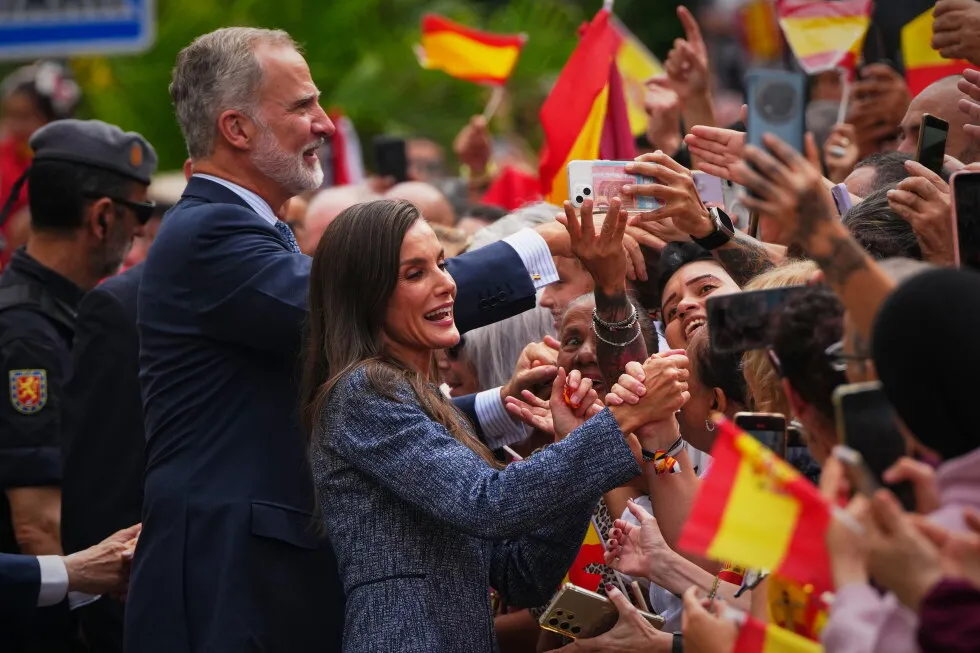
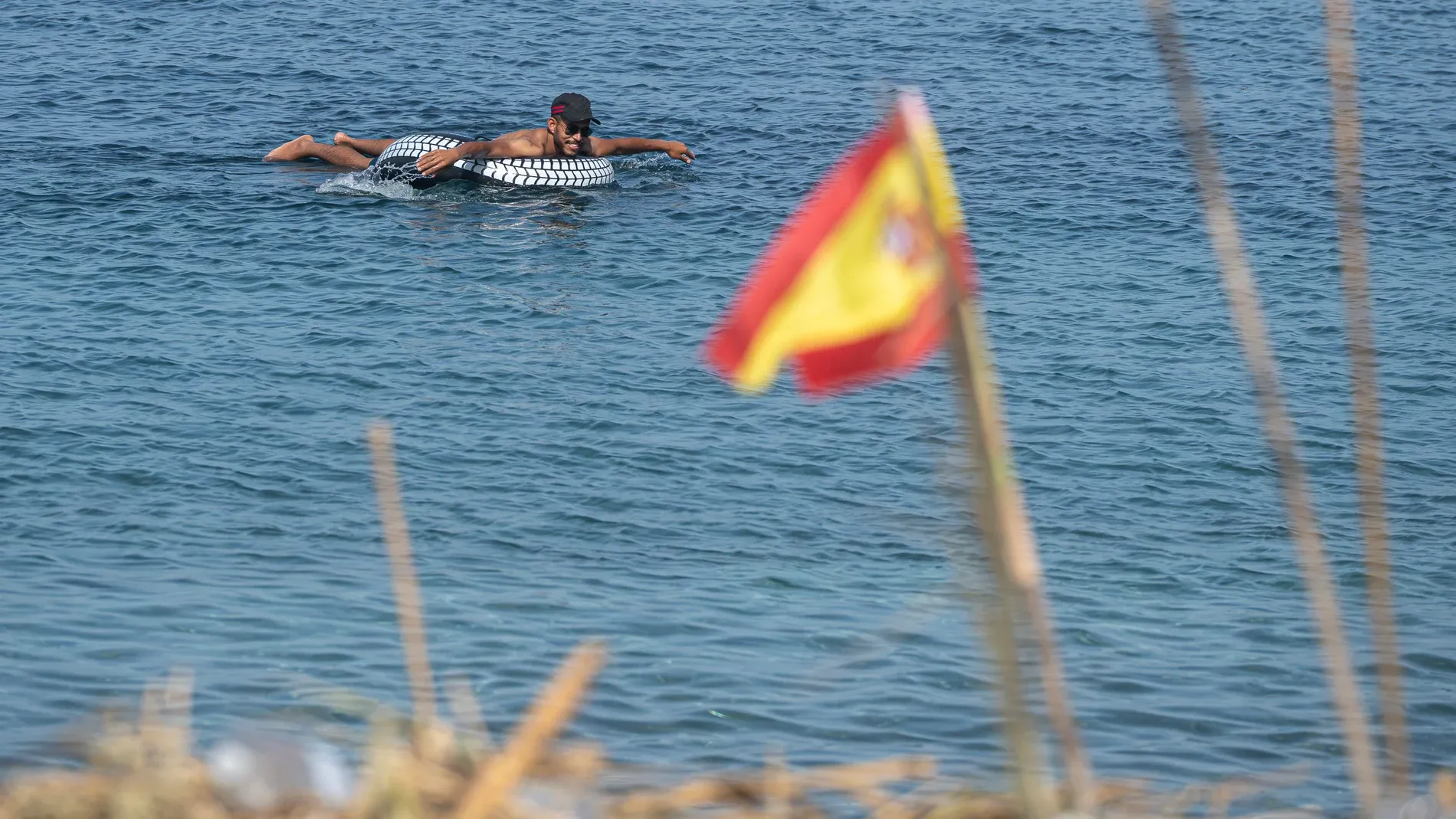
The ongoing migrant crisis in Ceuta, which has persisted for over a month, has escalated political tensions within Spain, particularly involving Prime Minister Pedro Sánchez and the monarchy. Following his return from vacation, Sánchez publicly questioned the involvement of King Felipe VI in the region, inaccurately stating that the King had reigned for over 20 years without visiting Ceuta. In reality, Felipe VI ascended to the throne in 2014, making his reign just 12 years. This misrepresentation, coupled with a protracted meeting between Sánchez and the monarch, has intensified scrutiny towards the government, particularly as it grapples with the crisis that has left thousands of migrants stranded in the city.
Government's Response and Economic Aid Initiatives
Amidst the political strife, the Spanish government has announced a substantial economic package aimed at revitalizing Ceuta's economy, which has been severely impacted by the humanitarian crisis. Sánchez revealed plans for an extraordinary credit extension of up to €168 million, designed to support small and medium-sized enterprises (SMEs) and self-employed workers in the region. This initiative aims to bolster the local economy by providing direct financial assistance and significant reductions in social security contributions for businesses over the coming years.
Furthermore, the government is also addressing the increasing concerns regarding security and social issues in Ceuta. In response to rising incidents of sexual crimes, the General Council of the Judiciary (CGPJ) has dispatched a judge specializing in violence against women to enhance legal support in the area. The government's acknowledgment of the necessity to maintain cooperative relations with Morocco has also been underscored, as this partnership is deemed crucial to managing the ongoing migrant influx effectively.
As reported by larazon.es.