
Understanding Spain's Natural Gas Dependency
Spain's reliance on natural gas is largely dependent on four key countries that supply the majority of this essential resource used for both domestic and industrial electricity generation throughout the year, as well as for heating during the frigid winter months. The primary suppliers are Algeria, which accounts for an impressive 41.7% of Spain's total gas imports, followed by Nigeria at 15.4%, the United States at 11.6%, and Russia at 8.1%. Algeria, being the largest supplier, is also an adversary of Morocco, particularly due to ongoing disputes over control of Western Sahara. This geopolitical tension has led Morocco to take steps to hinder natural gas shipments from Algeria to Spain, especially at a time when Spain is facing a historic decline in its gas reserves due to a 23% drop in imports via maritime routes over the past summer.
The Impact of Geopolitical Tensions on Energy Supply
Morocco is strategically positioning itself against Spain, and this could have devastating consequences for Spanish households and industries alike. A tightening of natural gas supplies from Algeria could result in significantly higher electricity and heating bills for the Spanish populace. Currently, Spain is experiencing a challenging phase regarding its gas storage; many LNG carriers that were initially destined for Spanish ports are now being diverted to Asia and other European countries due to a competitive bidding process that persists during the ships' journey. This has led to a notable reduction of 23% in gas imports by sea this past summer. Moreover, relations between Spain and Algeria have soured due to Spain's concessions to Morocco regarding the Western Sahara issue, resulting in the closure of one of the two gas pipelines connecting the two nations.
Spanish Prime Minister Pedro Sánchez has expressed a desire to negotiate the reopening of this pipeline, but such a move has not been well-received by Morocco, which has aggressively exerted its influence, particularly following its historical claim over Ceuta, a city that has remained unequivocally Spanish since 1580. Compounding these challenges, Spain's next largest gas suppliers, Nigeria and the United States, have established strong commercial and energy alliances, even as Spain has engaged in criticism of the U.S. administration, which has been moving closer to Morocco. Meanwhile, Russia, another alternative supplier, faces increasing scrutiny from the EU due to its military actions in Ukraine, which further complicates Spain's energy landscape.
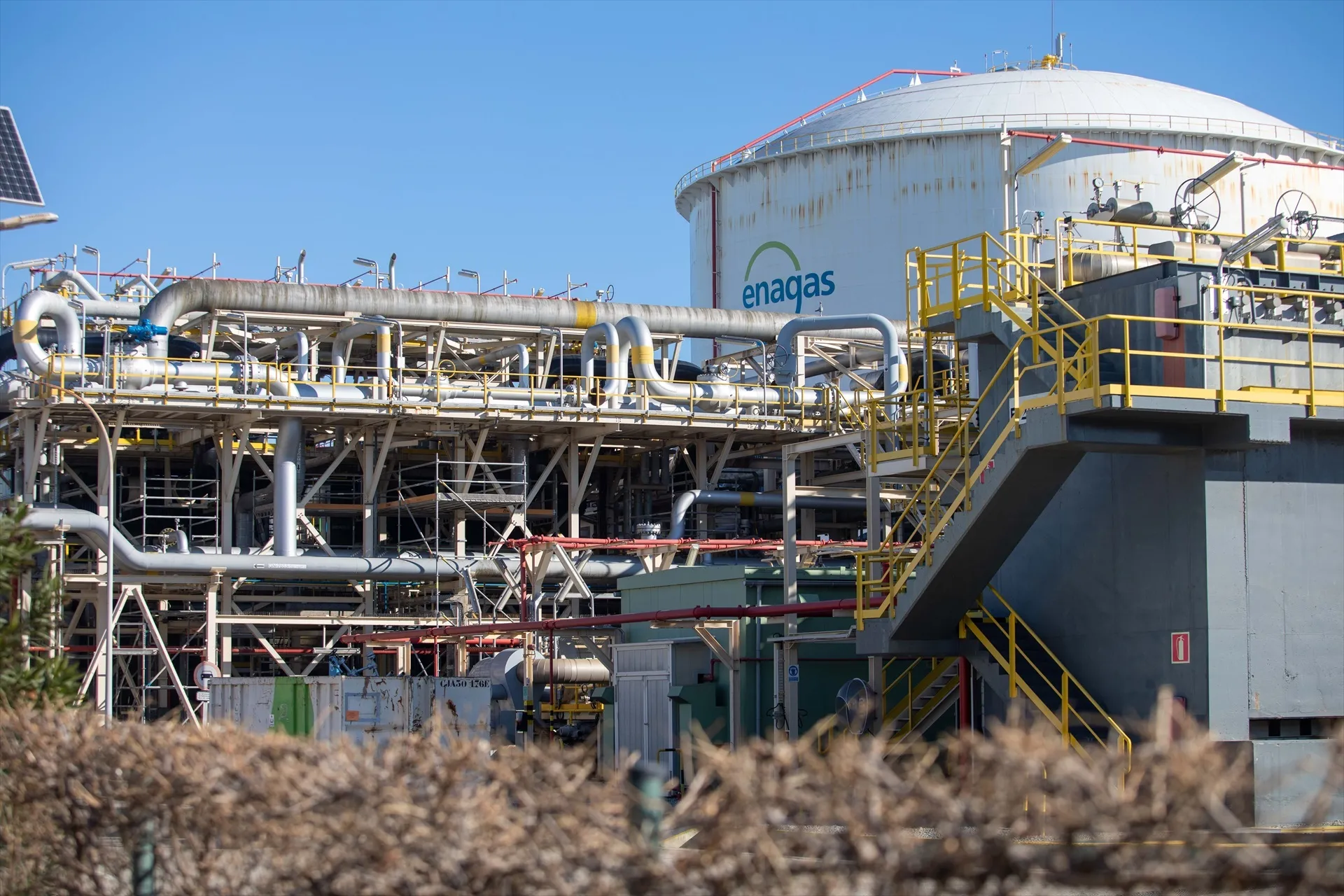
Despite these challenges, Algeria has increased its natural gas exports to Spain in the past year, responding to Sánchez's overtures, even as Spain's concessions to Morocco are evident. Interestingly, Algeria has been able to offer more favorable pricing compared to international market rates. However, the reality remains that much of the gas imported by Spain through the Medgaz pipeline ends up benefiting Morocco’s energy system, as reflected in official data from Enagás, Spain's gas operator.
Statistics from Enagás indicate that between July 2025 and July 2026, Spain's gas imports from Algeria via Medgaz increased from 9,330 GWh/month to 10,228 GWh/month, marking a significant rise of 10% or 898 GWh/month. This increase underscores Spain's energy vulnerability, evidenced by recent widespread blackouts and partial outages affecting various regions, including the Canary Islands. To mitigate the instability brought about by renewable energy sources, Spain has been relying more on natural gas, leading to record consumption levels at a time when prices are soaring.
Despite the increase in imports, it is noteworthy that Spain has also been exporting natural gas to Morocco, thereby indirectly supporting its energy needs while facing an ongoing territorial dispute. Official data reveals that the pipeline from Tarifa to Morocco has consistently delivered 992 GWh/month from July 2025 to July 2026, effectively assisting Morocco’s energy development even as the country continues to exert pressure through immigration tactics. This complex web of energy dependency and geopolitical strife highlights the precarious position Spain finds itself in regarding its energy strategy and international relations.
As reported by libertaddigital.com.