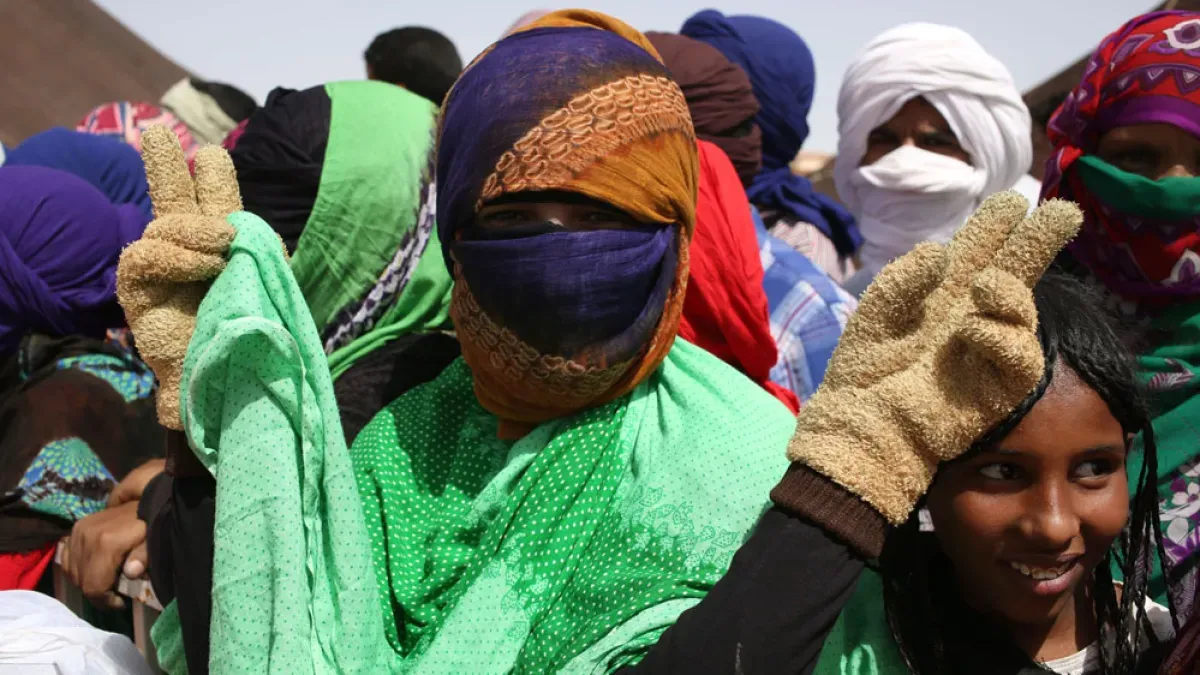

Spain's Congress has recently approved a significant bill aimed at facilitating a unique pathway to Spanish citizenship for individuals born in Western Sahara during the period of Spanish colonial rule. The legislation, which garnered substantial support with a vote tally of 168 in favor and only 31 against, alongside 145 abstentions, now awaits Senate approval before becoming law.
This proposed law is particularly noteworthy as it would enable those born in Western Sahara prior to September 29, 1977, to apply for Spanish nationality without the usual residency prerequisites. Additionally, it would extend this opportunity to first-degree descendants of these individuals. For Sahrawis who are currently residing legally in Spain, the bill would significantly reduce the residency requirement from the standard ten years to just two years, thereby expediting their path to citizenship.
Proponents of the bill argue that it serves as a rectification of historical injustices stemming from Spain's colonial past in Western Sahara, which it administered until 1976. The territory has been embroiled in a long-standing dispute, with Morocco asserting its claim over the region while the Polisario Front advocates for its independence.
Morocco's Concerns and the Broader Implications
While the law does not alter the territorial status of Western Sahara or acknowledge the legitimacy of an independent Sahrawi state, its implications resonate deeply within Moroccan circles. The primary concern for the Moroccan government is the potential establishment of closer ties between Spain and the Sahrawi population, which could number between 70,000 and 110,000 individuals eligible for citizenship. This could lead to an increased presence of Spanish and EU citizens who have familial or personal connections to the contentious issue of Western Sahara, further complicating the diplomatic relationship between Madrid and Rabat.
The timing of this legislative move is particularly significant. It follows a shift in Spain's stance towards the Western Sahara issue, where Prime Minister Pedro Sanchez's administration expressed support for Morocco's autonomy proposal in 2022. This shift has been pivotal in mending relations between the two nations following a diplomatic standoff. However, while the new citizenship measure does not explicitly alter Spain's endorsement of Morocco's proposal, it intertwines with larger discussions about Spain's colonial history and its responsibilities towards the Sahrawi people.
The Domestic Debate and Historical Context
Within Spain, the bill has sparked division among political factions. The ruling Socialist Party and its coalition allies have backed the initiative, while the conservative People’s Party abstained and Vox opposed it. The contentious debate highlights differing perspectives on how Spain should confront its colonial legacy in Western Sahara and the legal mechanisms for granting nationality. This internal discourse is crucial for Morocco, as it underscores that the bill is not merely a procedural amendment but a significant reflection on Spain's historical relationship with Western Sahara.
Importantly, the proposed nationality route does not confer recognition or support for the Polisario Front, nor does it imply an endorsement of an independent Sahrawi state. Instead, it acknowledges the complexities of identity among Sahrawis, many of whom reside in refugee camps near Tindouf, Algeria. For these individuals, acquiring Spanish nationality would mean gaining EU citizenship while maintaining their distinct cultural and political identities.
Spain's reference to its colonial past is not unprecedented; it has previously established similar pathways for individuals with historical ties to Spain, such as Sephardic Jews. This precedent raises questions about Morocco’s claims over Ceuta and Melilla—Spanish enclaves that Morocco considers part of its territory. If Spain can invoke historical ties to create nationality pathways, Morocco might argue that its own historical connections to these cities should similarly be acknowledged in discussions of sovereignty.
Ultimately, while the citizenship measure may not fundamentally alter territorial control or the status of Western Sahara, its significance lies in its potential to reshape the diplomatic landscape between Spain and Morocco. It brings Spain's colonial history into contemporary political debate, prompting a reevaluation of how that history influences current relations and the broader geopolitical dynamics surrounding Western Sahara.
As reported by aljazeera.com.