Spain's Diplomatic Paralysis in the Face of Moroccan Pressure
The ongoing crisis surrounding Ceuta reveals an uncomfortable truth that the Spanish socialist government would rather keep hidden: Spain is paralyzed by fear of Morocco. The Spanish government is acutely aware that Rabat excels in maintaining a strategy of constant tension, as evidenced by its systematic hostility towards Algeria. This situation puts Spain in a precarious position, as it struggles to navigate its diplomatic relations without provoking further aggression from its neighbor.
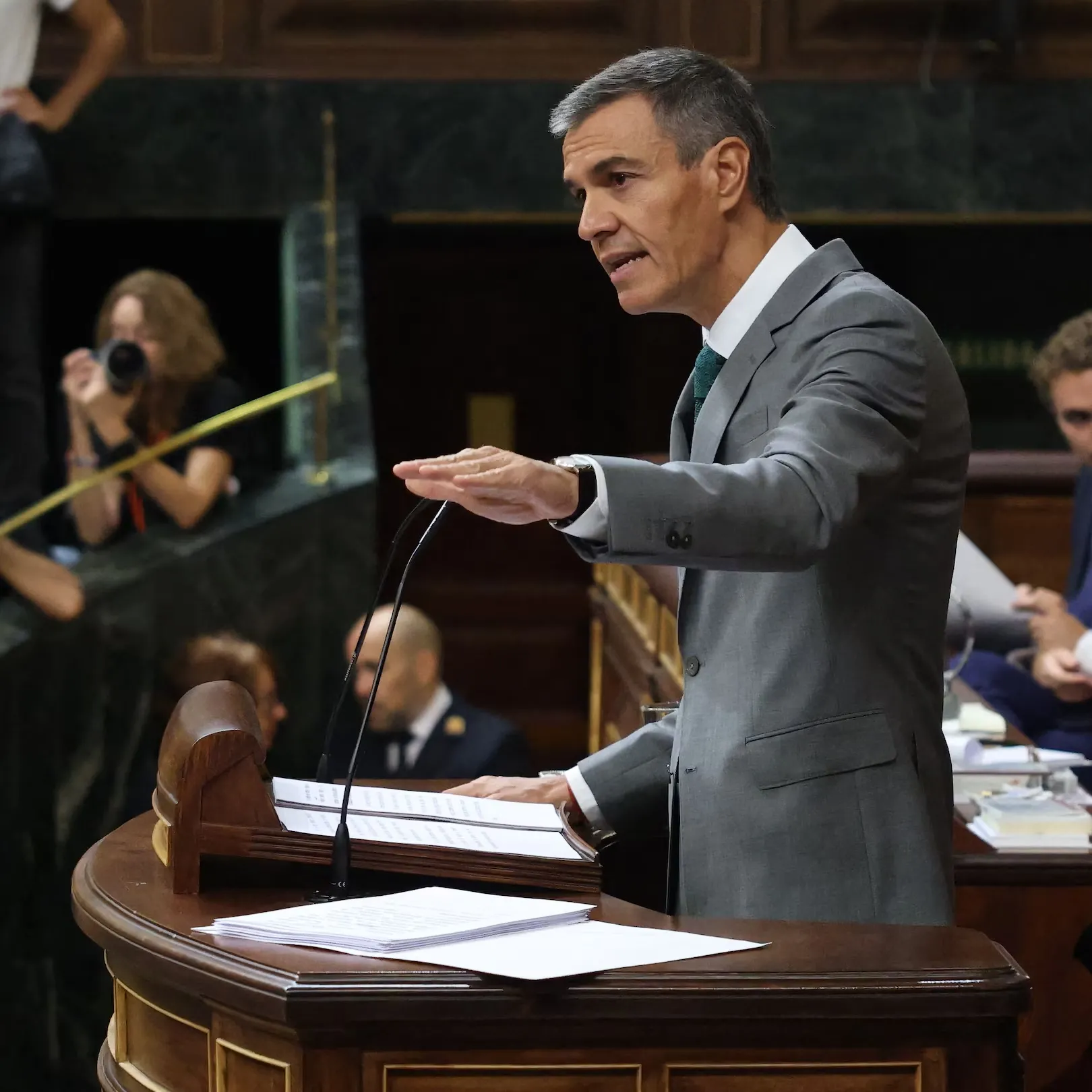
Morocco possesses several formidable levers of pressure against Spain, including control over migration flows, counter-terrorism cooperation, geographical proximity, and relentless diplomatic pressure concerning Ceuta and Melilla. The events of 2021 served as a stark reminder of this reality, demonstrating how easily thousands of migrants can surge towards the Spanish border with just a single gesture from Rabat, exposing Spain's vulnerability. This fear is reflected in the cautious behavior of Prime Minister Pedro Sánchez, who refrains from making direct accusations against Morocco, even in the face of overwhelming evidence against it.
The report from the Policía Nacional indicates a well-planned operation, highlighting a "permissiveness" on the part of Moroccan forces and active guidance of migrants by Moroccan agents, both in uniform and civilian clothing. Madrid now faces a Cornelian dilemma: acknowledging Moroccan involvement risks a rupture with a belligerent neighbor that exerts control over critical issues such as migration flows, drug trafficking routes, and aspects of security cooperation against the terrorist threat in Spain. Conversely, remaining silent allows the notion to persist that Rabat can open or close the migration tap at will, facilitate drug shipments to Spanish shores, or loosen surveillance on radicalized individuals in transit. This silence ultimately reinforces the perception that Madrid has no choice but to submit to Moroccan pressure.
Morocco's Unabated Demands and Spain's Weakness
In this context, Sánchez's approach appears to be one of evasion, artificially separating well-established facts from their supposed political interpretations. This tactic exemplifies a purely political balancing act that is unlikely to resolve any underlying issues. In truth, behind this façade of diplomatic avoidance lies a bitter reality: Spain is so fearful of potential Moroccan reprisals—whether at its borders, concerning its national security, or affecting domestic tranquility—that it prefers to absolve Rabat rather than confront it directly.
However, such a display of weakness will only embolden Rabat to intensify and amplify its increasingly vocal claims regarding the two Spanish enclaves and other territories. The shift in Madrid's stance on the Western Sahara issue has further eroded any reasons Morocco might have had to treat Spain with kid gloves. Rabat has achieved substantial diplomatic gains by capitalizing on Spain's unique status in this matter. Despite Spain's refusal to acknowledge this quality, it remains, under international law, the administering power of Western Sahara until the Sahrawi people exercise their right to self-determination. This political concession from Madrid has, therefore, reinforced Rabat's position without resolving other outstanding disputes between the two nations.
The current situation in Ceuta takes on added significance when viewed in context. This crisis follows Spain's granting of citizenship to Sahrawis present in the territory before 1975 and Prime Minister Sánchez's successful visit to Algeria. It suggests that Rabat is now looking to preempt the next Spanish government, particularly if it leans towards the right. The message is clear: Madrid must think twice before adopting policies or positions likely to provoke Moroccan ire.
Today, the only point of consensus between the Spanish majority and opposition is their firm refusal to engage in renewed dialogue regarding Morocco's territorial claims. Meanwhile, Morocco closely monitors the Gibraltar issue, over which Madrid has claimed sovereignty for decades against the United Kingdom, seeking similar treatment for its own territorial claims.
As reported by tsa-algerie.com.