
Spain Moves Towards Granting Citizenship to Western Sahara Residents
The Spanish Congress has recently voted in favor of a legislative proposal that aims to extend Spanish citizenship to individuals from Western Sahara and their descendants. This significant development could potentially impact between 80,000 and nearly 200,000 people who were born in the former Spanish colony or have ancestry linked to it before September 29, 1977. However, for the bill to become law, it must first receive approval from the Senate.
This initiative originates from the government of Prime Minister Pedro Sánchez, amidst ongoing tensions in the region. Since Spain's withdrawal, Western Sahara has been largely controlled by Morocco, while the remaining sections are held by the independence movement known as Frente Polisario, which is supported by neighboring Algeria. The United Nations officially lists the territory as non-self-governing. Notably, in 2022, Spain shifted its long-standing neutral stance in the conflict, aligning itself with Morocco.
Opposition parties in Spain, particularly conservative and far-right groups, have expressed their disapproval of this proposal. Meanwhile, the Moroccan government has not made any official comments regarding the bill.
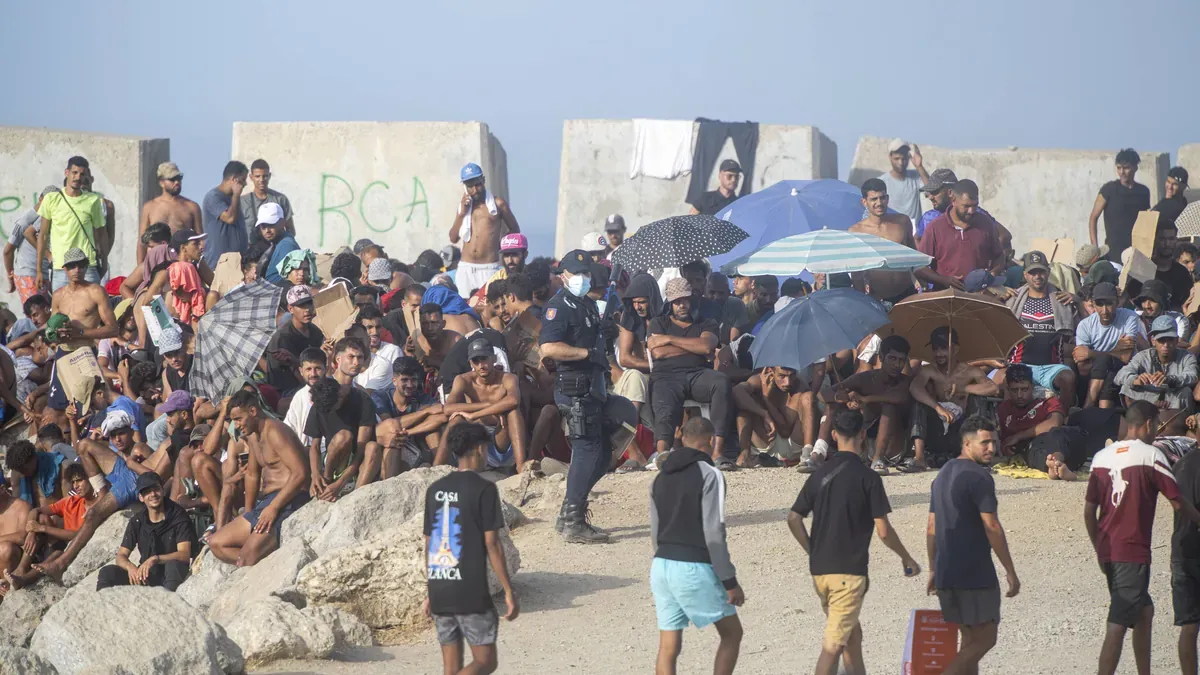
This legislative move occurs in a backdrop of strained relations between Madrid and Rabat. In late July, over two days, more than 70,000 individuals made their way on foot or by swimming from Morocco to the Spanish enclave of Ceuta in North Africa. Although most returned shortly after, or were sent back, thousands of migrants remain in the area. According to Spanish sources, dozens of fatalities were reported during this mass influx.
The situation led to speculation that Morocco may have intentionally allowed the crossings as a response to Sánchez's visit to Algeria in July. Sánchez has repeatedly denied any responsibility on Morocco's part, a stance that has drawn sharp criticism from the Spanish opposition.
On the same day, the Moroccan government stated that there is no evidence to suggest that Moroccan authorities were involved in the incidents in Ceuta. In a statement released by the Moroccan Foreign Ministry, which was disseminated by the state news agency MAP, Morocco expressed its desire not to be used as a "scapegoat" for political disputes within Spain.
As reported by t-online.de.