
Unveiling the Political Landscape Surrounding the Sebta Migration Crisis
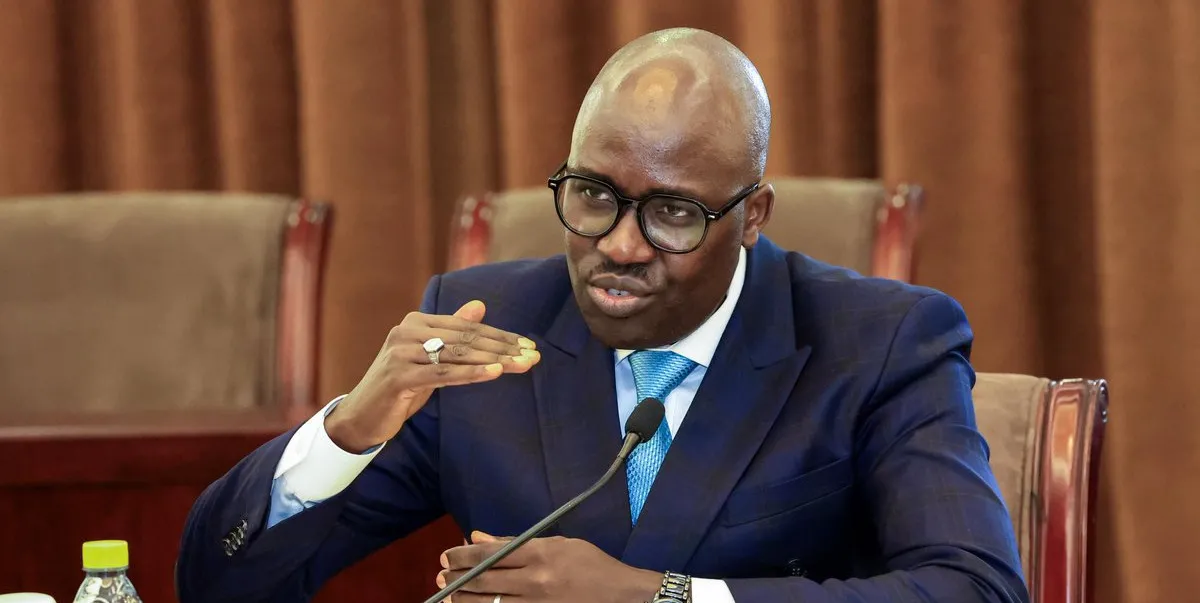
Since late July, a segment of the Spanish political and media landscape has been engaged in a narrative reminiscent of a spy thriller, complete with allegations of a "guided" entry of migrants, Moroccan police lurking in the background, and a purported strategy aimed at causing the collapse of the border. The situation escalated with a dispatch from EFE on September 2, where Francisco Pardo, the Director General of the Spanish Police, officially informed the Interior Minister that no police report attributes the planning or execution of the events of July 30 and 31 in Sebta to Moroccan security forces. This revelation starkly contrasts with the previously circulated narratives, which seem more like fabrications than factual accounts.
In a striking twist, the minister learned about this so-called "explosive report" through the media rather than from his own administration, highlighting the bizarre dynamics within Spain's political framework. A magistrate had instructed investigators not to communicate with their superiors, leading to political figures raising accusations even before their own police chief had been informed. This peculiar mechanism has become a common practice in Spain, where anonymous sources leak to the media, sparking immediate political reactions that morph speculation into accepted truth within a mere twenty-four hours.
The Consequences of Political Narratives and Nationalist Sentiments
Accusing Morocco has become an automatic reflex, almost a national sport. Whether it is about a migration crisis in Sebta or Melilla, or a diplomatic spat, all eyes turn to Morocco. This tendency serves to sidestep a more uncomfortable question: how can an EU member state, equipped with thousands of police officers and sophisticated surveillance systems, be caught off guard by such a significant operation? This pressing question demands a Spanish response, not a Moroccan one.
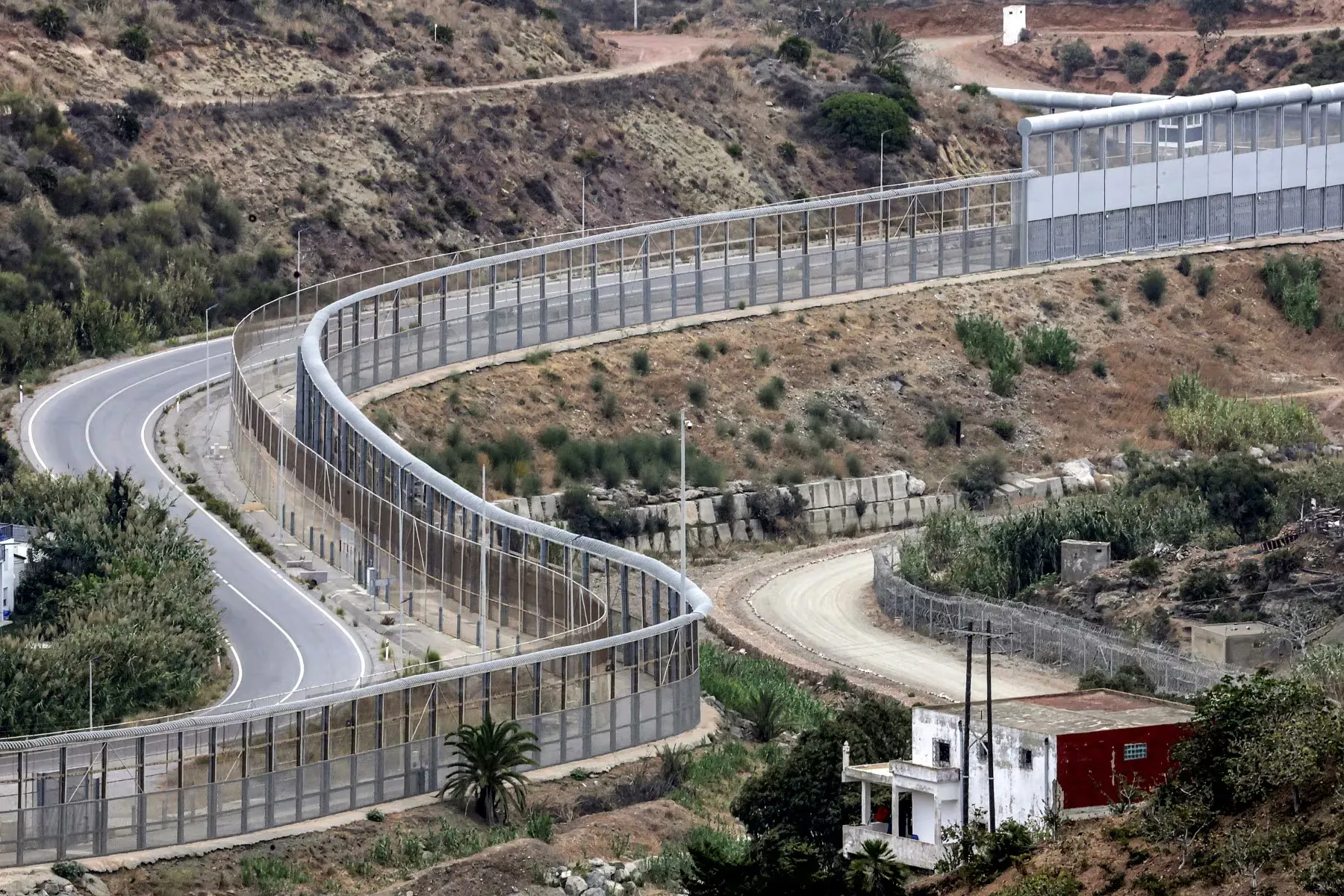
The symbolic weight of Sebta, an enclave on the northern shores of Morocco, exacerbates the historical tensions between the two nations. Each migration crisis becomes a supposed display of strength, fueling the discourse of Morocco as a "perpetual threat." This dynamic is politically convenient but intellectually lazy, and ultimately, it is unsustainable. Morocco stands as both an indispensable strategic partner in migration, security, and counter-terrorism, and yet is simultaneously treated as the prime suspect.
Even before the investigation concluded, Spanish right-wing parties like the Popular Party and Vox seized upon the situation, exploiting it for electoral gain. The Moroccan narrative serves as a convenient target, with the emotional weight of the migration dossier making it an effective political tool. Nevertheless, it raises a troubling notion: should the perception of Morocco as a scapegoat be a testament to its influence over Spanish internal affairs? Certainly, this is an uncomfortable reflection of power dynamics.
Moreover, language matters significantly in this discourse. Terms like "facilitate," "tolerate," and "allow" are not synonymous with "organize," "coordinate," or "execute." There exists a vast chasm between imperfect border control and a state-sponsored operation designed to undermine a border. The Spanish Police Director General has reiterated that no evidence substantiates these Moroccan plans, putting the accusations back where they belong: in the realm of speculation.
In a state governed by law, it is evidence that condemns, not sensational headlines. Yet, in the case of Sebta, the verdict was rendered before the investigation even began. This highlights a troubling reality: the presumption of guilt against Morocco was established before any official report entered the public discourse.
In closing, the current political climate in Spain surrounding the Sebta migration crisis serves as a stark reminder of the importance of evidence over emotion, and the need for measured discourse in a complex geopolitical landscape. As Spain grapples with its past and present relations with Morocco, it must do so with integrity, respect, and a commitment to constructive dialogue rather than defaulting to nationalist fervor.
As reported by fr.le360.ma.