
Disinformation and the Migrant Surge in Ceuta
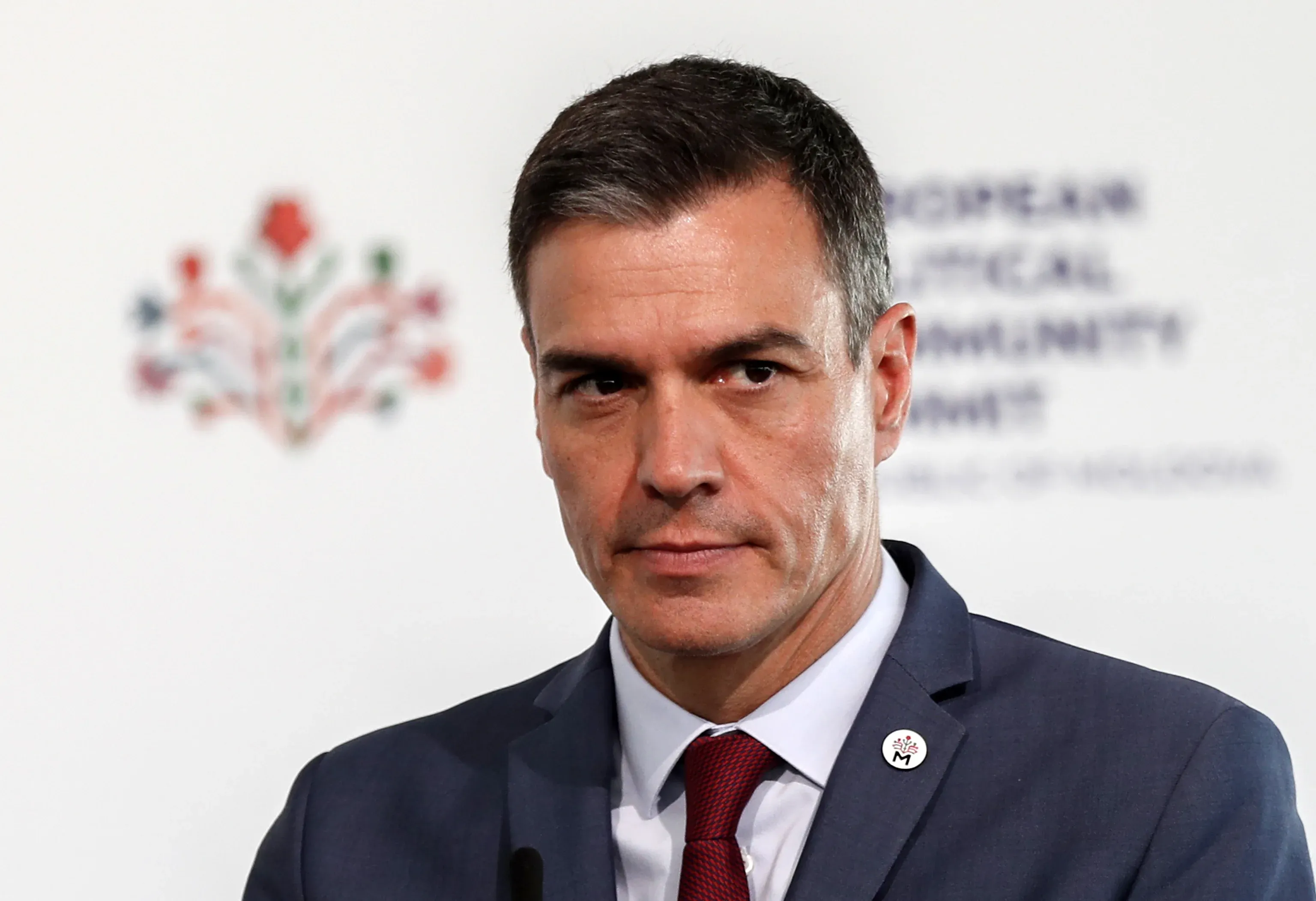
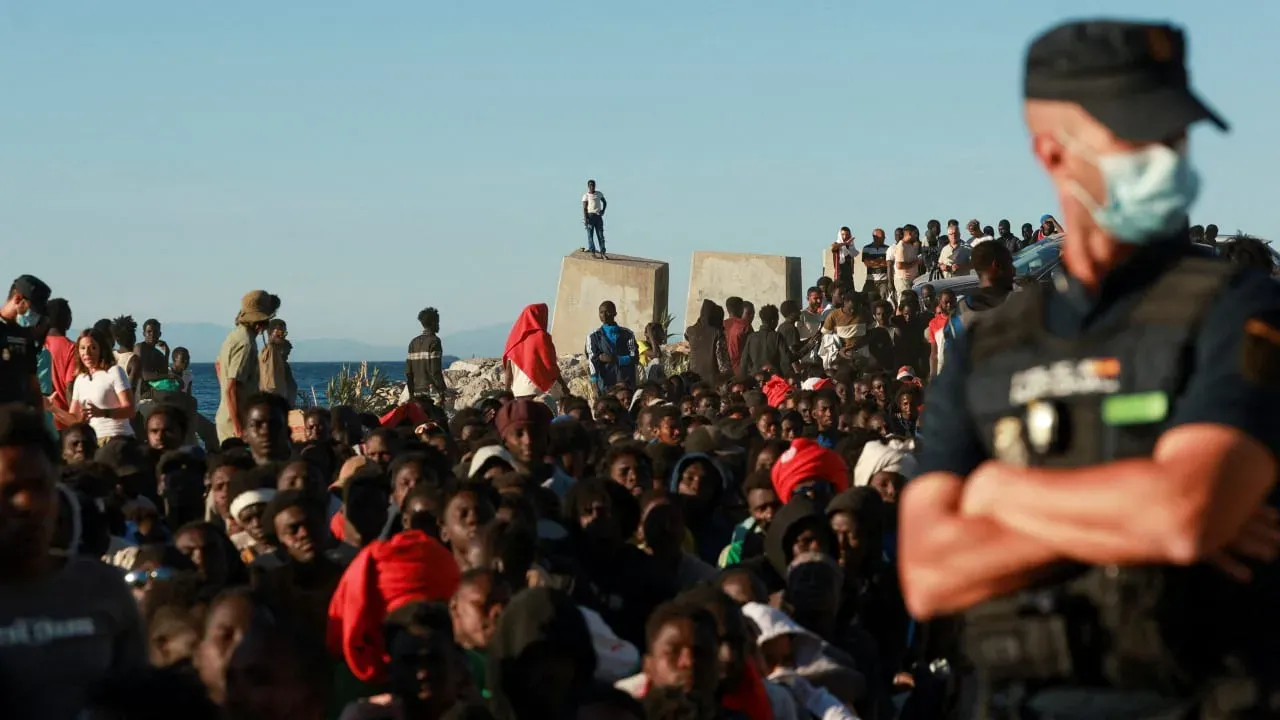
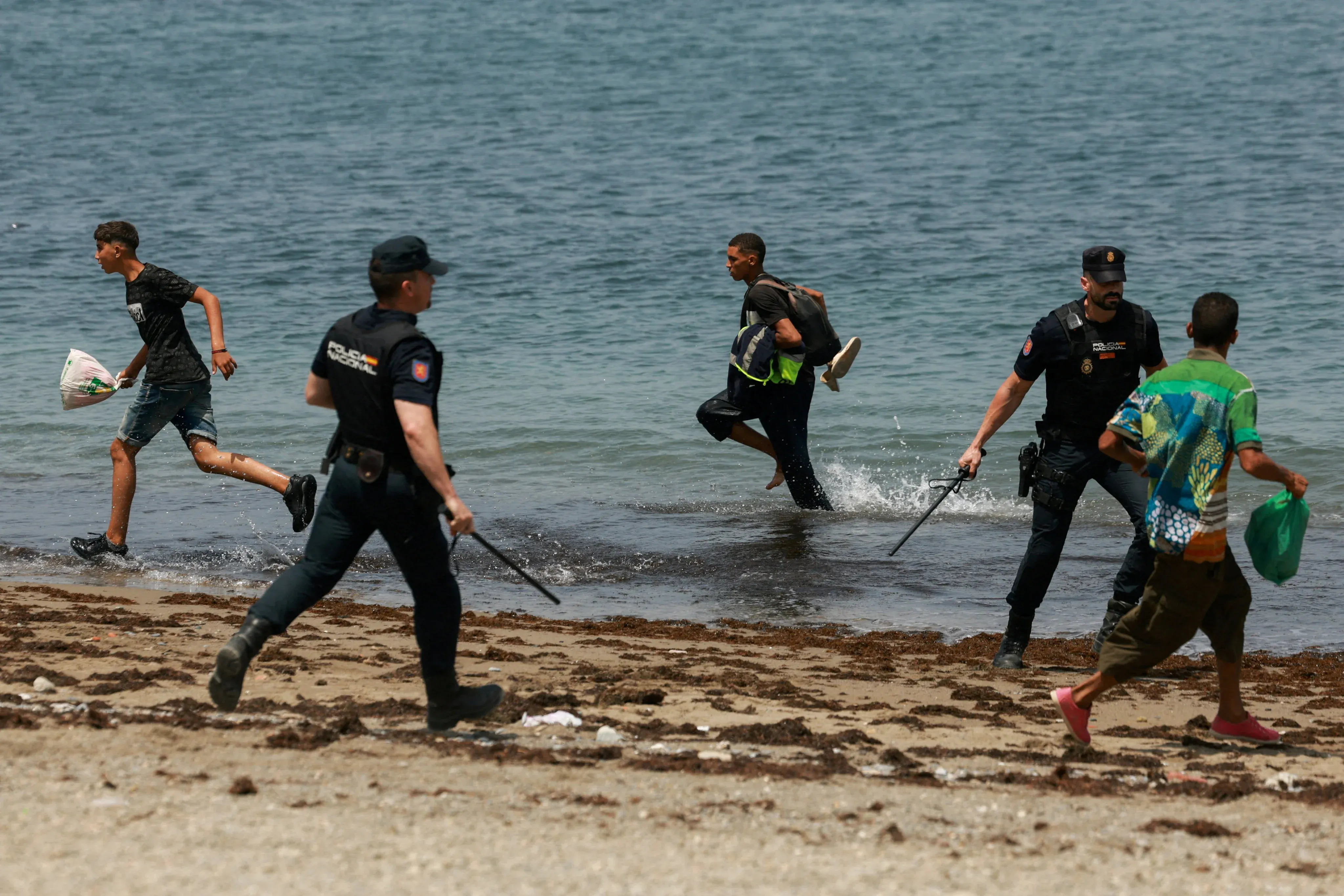
On Monday, Spanish Prime Minister Pedro Sanchez addressed the growing concerns surrounding the recent influx of migrants into Ceuta, a small Spanish enclave on the coast of North Africa. He indicated that indications suggest that Russia and Israel have been responsible for spreading disinformation regarding Spain’s migration policies, which he believes contributed to the unprecedented surge of over 72,000 migrants crossing from Morocco into Ceuta between July 30 and 31. This dramatic event not only raised alarms across the European Union but also resulted in tragic losses, with local authorities reporting at least 100 deaths among those attempting the perilous journey.
In the wake of this crisis, various opposition parties and human rights organizations have leveled accusations against Morocco, claiming that the Moroccan government intentionally allowed these mass crossings. However, these allegations have been firmly denied by Moroccan officials. Sanchez, during an interview with radio station SER, emphasized his outright denial of any Moroccan government involvement in facilitating the migrant crossings, stating, "When people talk and speculate about the participation of Moroccan authorities, I deny this outright." He further attributed the misinformation to misleading content circulating on social media platforms like Instagram and TikTok, which falsely suggested that migrants reaching Ceuta by sea would be allowed to stay in Spain.
International Reactions and Local Impact
Sanchez revealed that a study conducted by the European Union’s diplomatic service, the EEAS, pointed to Russian and Israeli networks being involved in the dissemination of false information, potentially linked to far-right groups. He expressed concern that these countries might be leveraging the migrant crisis to criticize Spain’s foreign policy, particularly its stances on the ongoing conflicts in Ukraine and Gaza. While he did not disclose specific evidence to substantiate these claims, the implications of foreign interference in Spain's domestic issues have sparked significant debate. In response to Sanchez’s allegations, Israeli Foreign Minister Gideon Sa’ar publicly refuted the claims, accusing Sanchez of "lying shamelessly" to divert attention from domestic policy shortcomings.
Currently, approximately 5,000 migrants, some seeking asylum, remain in Ceuta, leading to frequent protests from local residents dissatisfied with the government's handling of the situation. These protests have sometimes escalated into violence, including recent reports of attacks against a makeshift migrant camp at El Trampolin beach. In a related development, Spanish police apprehended three Moroccan individuals for allegedly launching corrosive liquid-filled bottles at an army patrol in Ceuta, although no injuries were reported. In light of these events, Sanchez announced the allocation of an additional €168 million (approximately US$195 million) in emergency funds aimed at revitalizing Ceuta’s economy, which represents about 8 percent of the enclave’s gross domestic product, supplementing the €180 million promised last week for medium-term recovery efforts.
As reported by scmp.com.