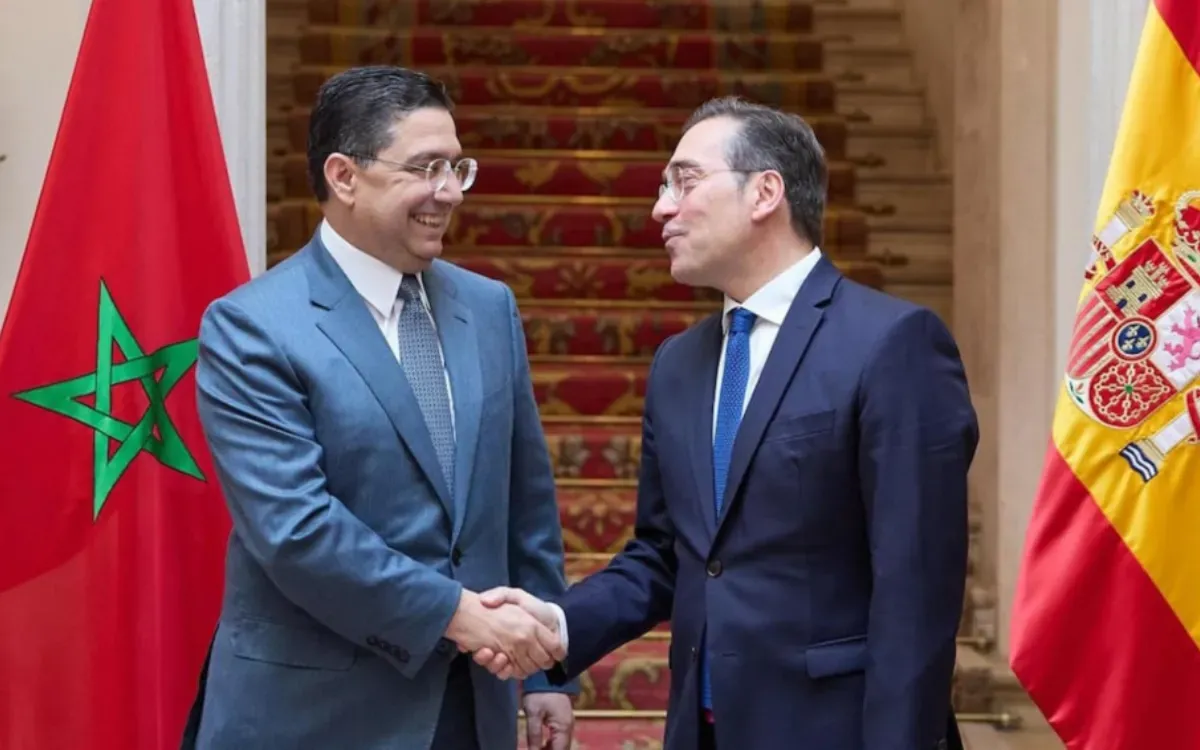

Spain's Strategic Move Amidst Tensions with Morocco
In a bold move that could further complicate diplomatic relations with Morocco, Spanish Prime Minister Pedro Sánchez has proposed integrating the North African enclaves of Ceuta and Melilla into the European Union's Customs Union. This request includes granting these territories the status of overseas regions along with representation in the Committee of the Regions, an EU body that gathers local government representatives from member states. Such proposals were articulated during Sánchez's assertive address to the Congress of Deputies on September 3, where he notably shifted blame for the recent mass border crossings away from Morocco, attributing the surge to disinformation campaigns believed to be orchestrated by Russian and Israeli entities.
This nationalistic rhetoric surrounding Ceuta and Melilla is not without risk, particularly as Rabat asserts its claim over these territories. The situation is further complicated by backing from certain U.S. politicians for Morocco's sovereignty claims, which may embolden Rabat's stance. Sánchez's government, grappling with the repercussions of the significant border influx that saw over 75,000 individuals cross into Ceuta, seeks European Union support in the form of financial assistance and a permanent presence of Frontex, the EU's border control agency. Additionally, he has requested a special mission from Europol to oversee irregular migration to Ceuta, with the European Commission currently deliberating these requests.
Border Tensions and Return Operations
Despite claims from Sánchez that Morocco was caught off guard by the border surge, these assertions have been met with skepticism. Ceuta's president, Juan Jesús Vivas, questioned the plausibility of a large-scale crossing occurring without Moroccan knowledge or involvement, suggesting that such explanations lack credibility. In the aftermath of the border crisis, Sánchez characterized the operation that saw approximately 70,000 individuals returned to Morocco as one of the swiftest repatriation efforts in recent European history. Nevertheless, around 5,000 individuals remain in Ceuta, many of whom are now pursuing asylum within the EU, highlighting the ongoing complexities of migration and territorial integrity in this contentious region.
As reported by africa-confidential.com.