
Spain's Recent Policy Change on Migrant Minors
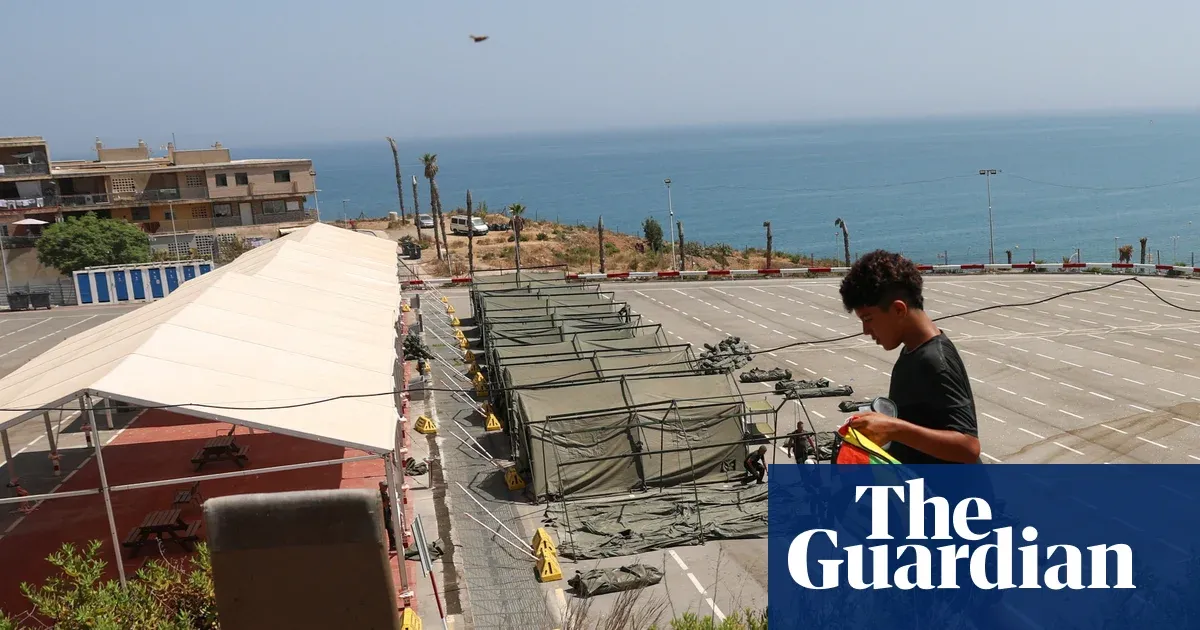
In a significant policy shift, the Spanish government has announced its decision to allow the relocation of 500 migrant children currently in Ceuta to the mainland. This move comes after a previous stance where officials indicated that anyone entering the territory illegally would be deported. The backdrop of this decision is the influx of approximately 70,000 individuals who crossed into Ceuta, a Spanish enclave on the African coast, in late July. Most of these migrants have since returned to Morocco, yet the Spanish authorities are bound by law to provide care for unaccompanied minors until they reach the age of 18.
Interior Minister Fernando Grande-Marlaska had previously stated that those who illegally entered Ceuta or Melilla, another Spanish territory, would face deportation, emphasizing Spain's cooperation with Morocco on this issue. However, the urgency of the situation, where many children were found living on the streets and relying on local charity, compelled the government to revise its approach. The Spanish Ministry of Inclusion and Migration is now coordinating with local authorities and NGOs to ensure a safe transition for these vulnerable youths.
Political Reactions and Challenges Ahead
This decision has sparked political controversy, particularly as various regions governed by the conservative People’s Party and the far-right Vox party express resistance to the relocation plan. The opposition argues that the children should be returned to their families, aligning with Morocco's request for repatriation. Despite the backlash, the integration of EU immigration policies into Spanish law remains incomplete, leaving current legislation on the treatment of unaccompanied minors intact. This has created a complex legal landscape, as European regulations mandate the return of irregular migrants to their countries of origin, including unaccompanied minors.
As of March, data from Spain indicated that there were over 21,000 guardianship cases involving minors, with a significant number being from Morocco. The situation highlights the ongoing challenges faced by the Spanish government in balancing humanitarian responsibilities with political pressures and legal obligations. The government's latest plan aims to address these challenges by ensuring that NGOs and child protection agencies manage the care of these minors while avoiding the transfer of guardianship to regional governments.
As reported by theguardian.com.