
Spain Enhances Military Surveillance Capabilities
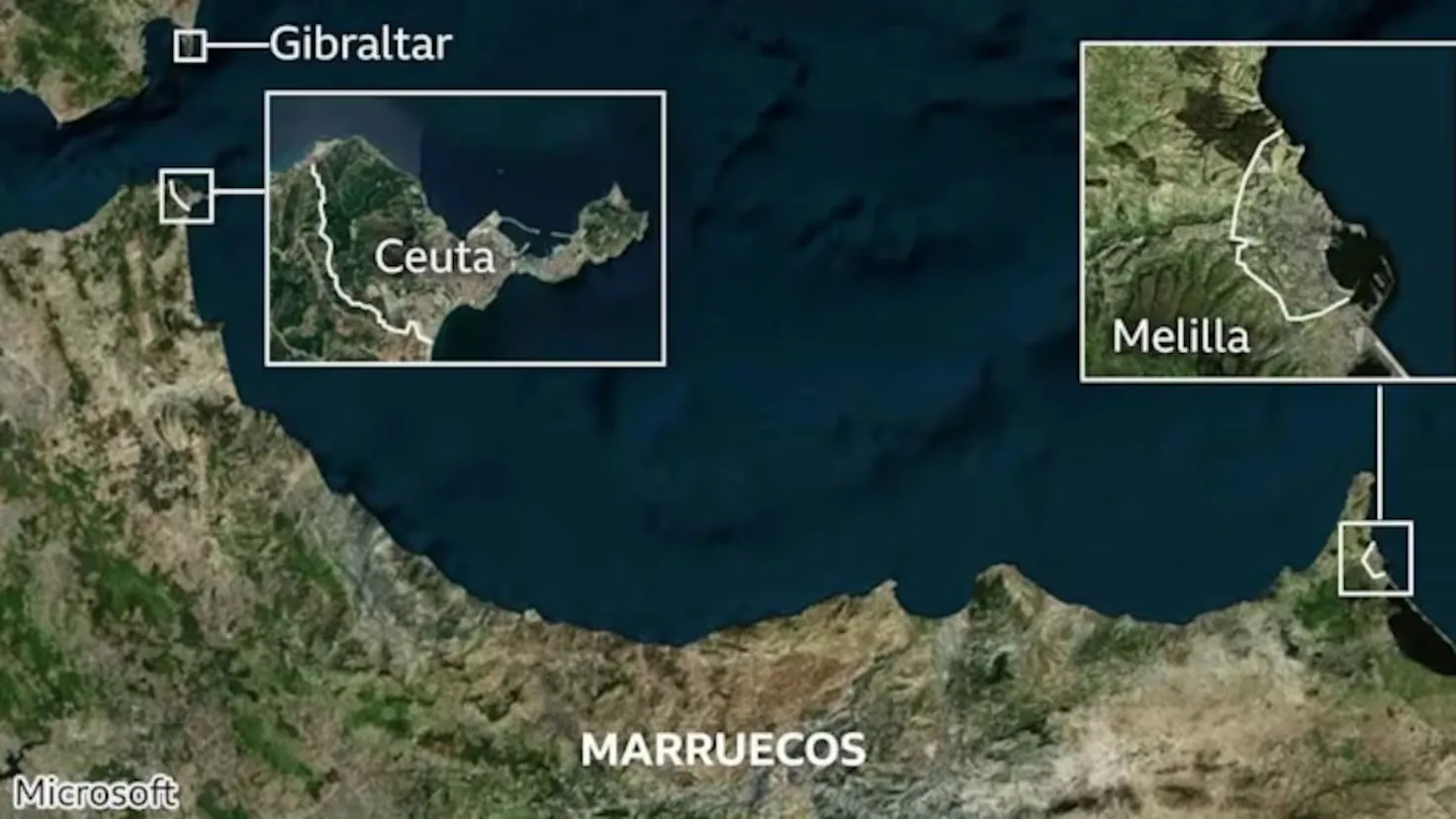
Spain is set to bolster its military surveillance capabilities significantly by around 2031, aiming to strengthen its space autonomy and establish a permanent observational capacity over strategically important areas. The ongoing strategic rivalry in the Strait of Gibraltar and the repercussions of the migration crisis in Ceuta continue to dominate Spain's security agenda. In this context, the Ministry of Defense has initiated a comprehensive plan to enhance its intelligence and observation capabilities through the acquisition of high-resolution satellite imagery, allocating a budget of up to 7.4 million euros over the next two years.
According to the public tender documentation, the Spanish Armed Forces are not looking to launch a new satellite. Instead, their goal is to gain access to information provided by commercial constellations capable of delivering optical, infrared, and radar images. This initiative is designed to improve surveillance, reconnaissance, and target acquisition capabilities across various global regions. Significantly, this plan coincides with sensitive discussions surrounding the modernization of Spain’s surveillance systems in the Strait, Ceuta, Melilla, and North Africa, although specific countries are not explicitly mentioned in the tender.
PAZ-2: A Major Leap Forward
Simultaneously, Spain is accelerating the development of PAZ-2, one of the most ambitious technological and military projects for the coming decades. This program includes the deployment of two radar satellites primarily intended for defense purposes, with an investment exceeding 1 billion euros. According to Airbus and Hisdesat, these satellites will be capable of generating images with a resolution of up to 10 centimeters, irrespective of the time of day or weather conditions. The official documentation, as per the BOE, indicates that PAZ-2 will consist of two Earth observation satellites utilizing Synthetic Aperture Radar (SAR) technology. While mainly aimed at the Ministry of Defense, other government entities will also have access to this system, as outlined in the publication dated September 3, 2026.
The total public funding for this initiative amounts to 1.01185 billion euros through a loan to Hisdesat Servicios Estratégicos. The government has expedited funding for 2026, raising the annual budget to 245.6 million euros. The official documents explain that the current PAZ-1 satellite, operational since 2018, is expected to reach the end of its life cycle between 2030 and 2031, making PAZ-2 its successor. This strategic move also reflects Spain's commitment to narrowing technological gaps with Morocco, particularly in areas such as drones and strategic surveillance. With PAZ-2 expected to be operational around 2031, Spain aims to bolster its space autonomy and maintain continuous observational capabilities over areas of strategic interest.
As reported by as.com.