
Spain's Initiative for Unaccompanied Minors in Ceuta
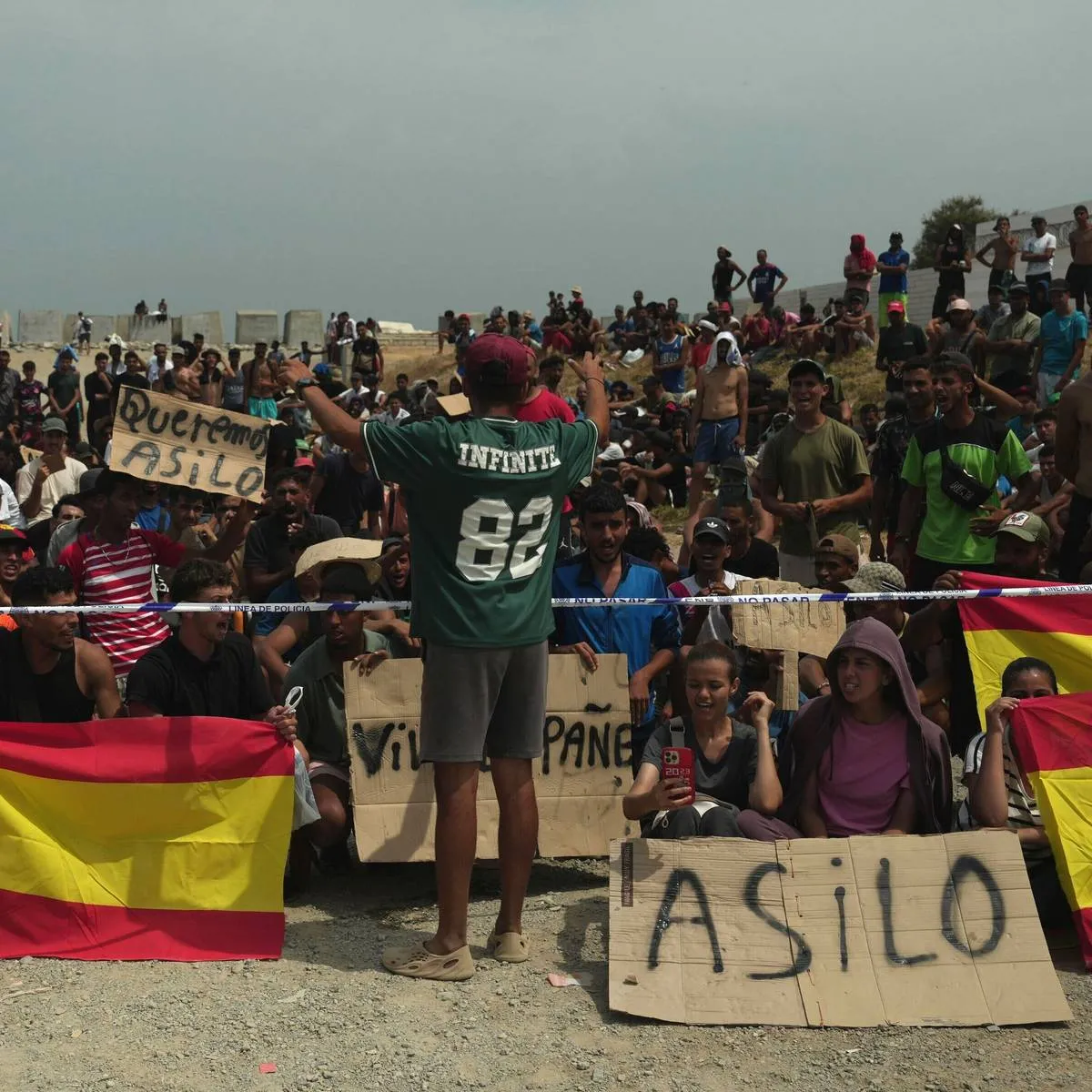
In the wake of an unprecedented influx of migrants, Ceuta is facing significant challenges, particularly concerning the welfare of vulnerable children and adolescents. The Spanish government has announced an urgent plan to relocate approximately 500 unaccompanied minors to the mainland. Elma Saiz, the Minister of Integration, confirmed this initiative in an interview with the Spanish radio station RNE, highlighting that the central government in Madrid is collaborating closely with authorities in the North African enclave and regional governments to implement this solution swiftly.
The relocation strategy involves the care of these minors by child protection organizations in suitable facilities on the mainland. Reports suggest that Spain aims to ensure the “mandatory and solidarity-based reception of minors” across all regions of the country, which may include placement in foster families. It is important to note that the figure of around 500 minors is preliminary and subject to change as the situation evolves.
Challenges and Support for Ceuta's Migrant Population
Minister Saiz indicated that specific details regarding the relocation plan are not yet available, but she emphasized the necessity of safeguarding the “paramount interest of the child” in all measures taken. The government has allocated 25 million euros to support Ceuta in this endeavor and has also requested emergency aid from the European Union.
Since the mass arrival of migrants at the end of July, the Spanish National Police has identified 2,168 unaccompanied minors in Ceuta and handed them over to local authorities, as reported by the state broadcaster RTVE. Estimates suggest that up to 80,000 migrants arrived in Ceuta during this period, with many making the perilous journey by swimming across the Gibraltar Strait. Shortly after their arrival, a large majority returned to Morocco, while official reports have indicated that 83 bodies were recovered from the sea, although non-governmental organizations estimate the death toll to be well over one hundred.
According to Interior Minister Fernando Grande-Marlaska, approximately 5,000 migrants currently remain in Ceuta. The ongoing challenge of providing for and accommodating these individuals, who come not only from Morocco but also from various countries south of the Sahara, continues to pose significant difficulties for authorities. There is particular concern for the unaccompanied minors left behind, including many young girls.
As reported by ga.de.